
The critical real-time fraud detection pipeline has failed without anyone noticing. The recommendations are now stale. No alerts were sent to give notice. By the time the team discovers what the problem is, it’s too late and results of this failure are now apparent in relation to business.
This situation is the result of poor design of the Data Infrastructure for AI.
Streaming systems are now a must. They are a fundamental piece of AI data infrastructures. Choosing between Kafka/Flink/Cloud Native for data infrastructure for streaming is not a simple task. Each is built to solve different pieces of a much larger picture, yet some teams treat them alike.
If you are a Data Engineering Lead with the responsibility for selecting streaming architectures, this guide will help you:
- Understand how Kafka, Flink, and Cloud-Native applications are used differently
- Identify wherein lies each solution’s strengths and weaknesses
- Use a mechanism to assist in evaluating which streaming architecture will work best for your team
Let’s explore why this decision is critical now.
How a Healthcare Platform Moved Batch to Streaming in One Quarter
See how healthcare workloads moved from batch to streaming in one quarter.
Why you must address streaming data infrastructure for AI needs in 2026
Growing Volume and Speed of Data
Many systems today are managing:
- Hundreds of millions of events every second
- Constantly moving data, such as with IoT
- Distributed pipeline architecture
The Price of Being Slow is Real
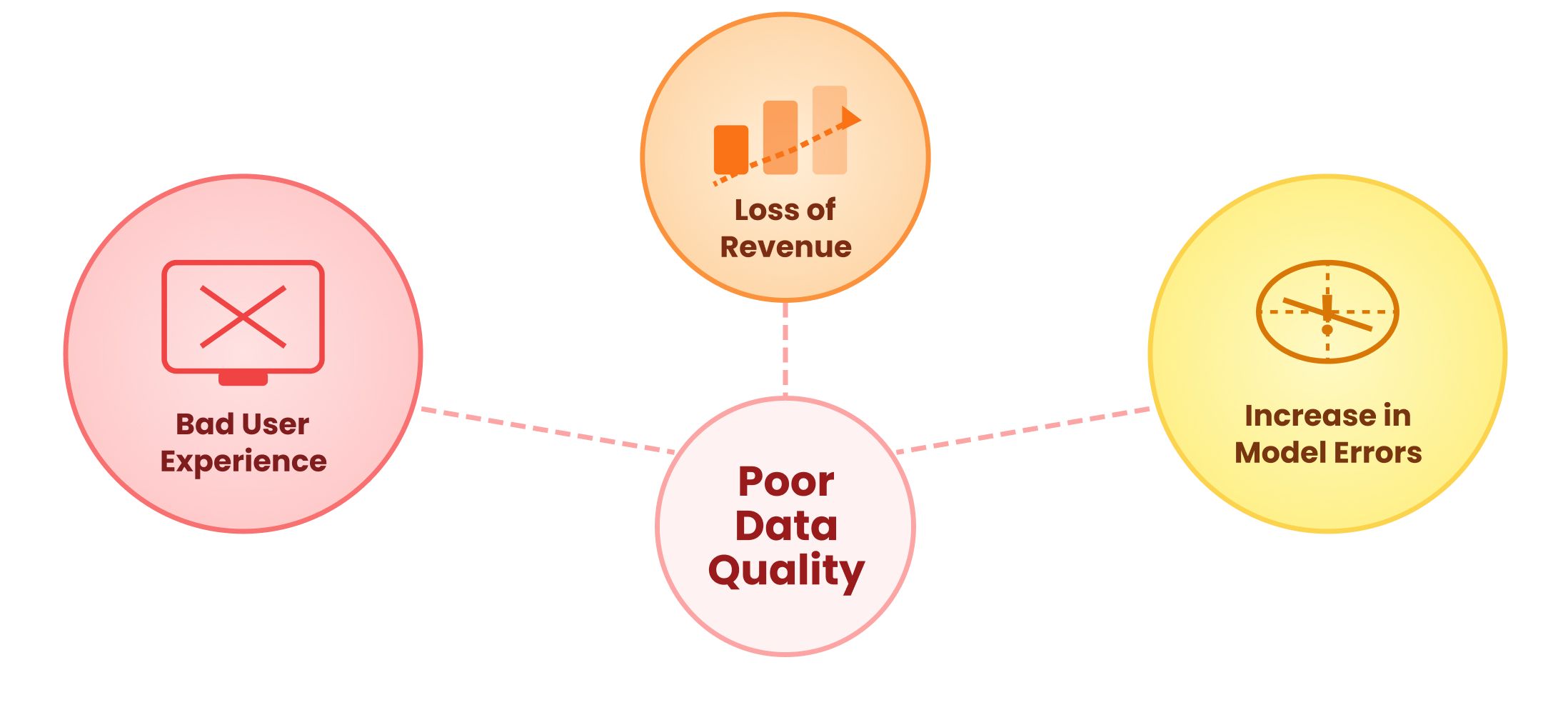
If there are delays in processing these data streams, it can result in:
- Bad user experience
- Loss of revenue
- Increase in error in models
Who is Involved in the Decision of Which Streaming Solution to Use?
- Data engineering leads
- Platform engineers
- CTO's are usually who decide on what streaming solution to use
Key Insight
There is not one streaming solution that is the best for everyone.
Each one has pro's and con's:
- Kafka - Data transport
- Flink - Data processing
- Cloud-Native - Easiest to manage
Key Take-Away:
The right streaming architecture will be the single most important factor for successfully building a reliable data infrastructure for AI.
What is Streaming Data Infrastructure Created and Why is it Important?
- To take in data in real time
- To use data continuously
- To support event-driven workflows
What are Streaming Architecture's Assumptions?
- Data is always coming into the system
- Events need to be processed incrementally, within the system
- Latency is a key consideration from the business side
When is Streaming Infrastructure the Best Fit?
- Real time analytics
- Feature pipeline of AI applications
- Event driven architecture
Where Does Streaming Infrastructure Fail?
- Operational Complexity
- Continuous monitoring and taking care of the hardware
- Ability to scale to accommodate the total number of events
- Ability to debug problems that can arise in the infrastructure
Challenges in State Management
Managing and keeping track of state across streaming sources can be complex.
Cost of Systems at Scale
Systems designed to produce high volumes of data can become very expensive at a quick rate.
Best Fit for Streaming Infrastructure
Should be utilized for businesses or applications that need to:
- Have real time processing of data
- Support an event driven architecture
- Impact the latency of business results
Summary:
Streaming infrastructure is essential for the performance of today’s AI systems, however, it needs to be designed carefully.
Understanding Kafka, Flink and Cloud-Native Streaming Platforms
Flink
Flink is a Stream Processing Engine that excels at real-time processing, stateful computation, and low-latency pipelines.
However, the Steeper Learning Curve, and expertise required to develop its capabilities are quite heavy. Integrating Flink into your architecture can also be complex.
Typically, Flink is best suited for:
- Complex Event Processing
- Real-Time Analytics
Cloud-Native Streaming Managed Platforms
Cloud-Native Streaming Managed Platforms such as Kinesis or Dataflow provide managed infrastructure with faster deployment times and less operational overhead, however, you are subject to vendor lock-in, limitations, and unpredictability of costs.
These platforms are typically best suited for organizations which are seeking to achieve speed within their business and are typically deploying smaller or mid-scale systems.
Head-to-Head Analysis
When considering which of these platform options to adopt, there are a number of criteria that matter, when doing a head-to-head analysis of how these different technologies compare against each other:
- Kafka is generally seen as the transport mechanism
- Flink is typically considered the processing engine
- Cloud-Native Managed Platforms are typically viewed as the convenience
Conclusion:
Most well-matured systems leverage multiple technologies and choose to utilize them based on their fit to support the various needs of their system architecture.
When to Use Kafka (When to Avoid)
Choose Kafka if:
- You require a dependable source of streaming events
- You have applications that span several distributed systems
- You need to have a system that can process a great deal of events quickly
Don't Choose Kafka if:
- You have a relatively simple application architecture
- The team may not have the resources available to manage and operate Kafka
When to Use Flink (When to Avoid)
Choose Flink if you require:
- Real-time processing of events
- Complex transformations while processing the events that happen in real time
- Low latency as an important consideration for your application architecture
Do Not Choose Flink if:
- You have a simple workload
- You do not have team members with the knowledge and skills to support Flink operations
When to Use Cloud-native Solutions (When to Avoid)
Choose cloud-native solutions if:
- You want to deploy your applications very quickly
- You want to keep application deployment as simple as possible
- You may have a small team of developers working on your applications
Do Not Choose cloud-native solutions if:
- You require deep application customization
- You want to maintain complete control over your applications and the associated costs
Where Logiciel Can Help
The majority of teams face challenges when integrating and managing streaming solutions.
Logiciel Solutions helps teams by helping teams unify their streaming infrastructure.
- Automating the ability to see and optimize the throughput and latency of the event stream
- Simplifying operations around the use of streaming technologies
Teams use Logiciel to build cohesive, AI-first streaming architecture using common technologies from the AI ecosystem.
In Conclusion
Selecting the right data architecture for your AI-based products is critical to delivering successful products.
Here are the three most important points to remember:
- Kafka, Flink and cloud-native solutions serve very different needs
- The majority of production solutions utilize all three types of solutions
- Selecting the right one depends on the maturity of your team and the requirements of your application
This selection can be very difficult.
However when done properly, it will lead to:
- Real-time insights
- Consistent, reliable AI solutions
- Creating applications which can grow as needed
- Better experiences for your users
Find the Hidden Cost Your Data Infrastructure Is Racking Up
Identify hidden infrastructure costs before they quietly drain your data budget.
What to Do Next
If you are currently evaluating streaming as part of your infrastructure, the next step is to evaluate how well these solutions work in your environment.
Read More:
- Designing for Scale and Reliability with Data Infrastructure
- Real-Time Data Infrastructure - The Batch is Out
- Building a Roadmap for Your Data Infrastructure
At Logiciel Solutions, we provide teams with the ability to build AI-first streaming systems that have the ability to scale efficiently, while minimizing complexity.
- Get a free audit of your streaming infrastructure
- Download our streaming infrastructure checklist
- Consider your streaming architecture options