
Zeme · Real Estate
Real Estate
Most US data teams don't have an infrastructure problem. They have a visibility problem. Logiciel's data infrastructure management software gives engineering leads a single, real-time view across pipelines, warehouses, and clusters - so issues get caught before dashboards lie, costs creep, or revenue gets reported wrong.
Engineers find out about pipeline breakage from Slack messages, not monitors - usually after the CEO sees a wrong number. By the time engineering investigates, downstream BI dashboards have been reporting wrong numbers for hours and stakeholder trust has already taken the hit.
Cloud bills creep up 20–40% YoY because nobody can point to which workloads are eating spend. FinOps reviews surface the spike six weeks after it started, by which point the unbudgeted cost has already eaten into headcount or platform investment plans.
Every new data source means another week of wiring, another oncall risk, and another tool nobody owns. Each new source you onboard increases the operational surface area linearly while engineering capacity stays flat - the math eventually catches up with you.
A managed control plane that gives your team back its weekends.
across every pipeline, every warehouse, every transformation - no swivel-chair monitoring. One pane of glass replaces the four-tab investigation that defines most pipeline incidents today, dropping mean-time-to-detect from hours to minutes
schema drift, and SLA breaches before downstream consumers notice. Anomaly-aware alerts route to upstream owners and downstream consumers simultaneously, so the first conversation about the issue includes everyone who needs to act
that maps spend to teams, models, and queries - so FinOps stops being a quarterly fight. Per-team and per-model cost attribution turns FinOps from a quarterly fire drill into a weekly hygiene routine that engineering and finance can both defend
with Snowflake, Databricks, Redshift, BigQuery, Airflow, dbt, Kafka, and 200+ sources. Battle-tested integrations mean adoption doesn't require swapping the warehouse, BI tools, or orchestrators your team already knows
| Dedicated Pod | Staff Augmentation | Project-Based Delivery |
|---|---|---|
| Embedded data engineering pod aligned to your sprint cadence - typically 3–6 engineers + a US lead. | Senior data engineers, architects, and SMEs slotted into your team to unblock specific work. | Fixed-scope, milestone-driven engagements with clear deliverables and outcomes. |
We map your stack, workloads, team, and constraints in a working session - not an RFP response.
Reference architecture grounded in your reality, with capacity, cost, and migration plans.
Iterative implementation with weekly demos, code reviews, and your team in the loop.
Managed operations or knowledge transfer - your choice. Both with US-aligned coverage.
Continuous tuning of cost, performance, and reliability against measurable SLAs.
Sub-minute detection on freshness, volume anomalies, and schema drift across every pipeline.
Auto-discovered, queryable lineage from source to dashboard.
AWS, Azure, GCP - manage them in one place without re-platforming.
Per-team, per-model, per-query attribution - automated chargeback ready.
Define data SLAs, route incidents, prove uptime to stakeholders.
SOC 2, HIPAA, GDPR-ready audit trails on every data movement.


Teams that needed to ship fast, and did. Here's what partnering with Logiciel felt like from the inside.
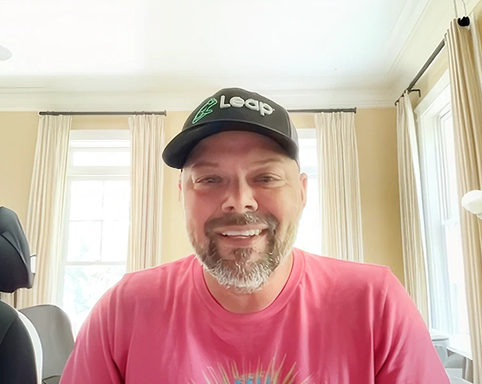
I would highly recommend them to anyone looking to scale quickly or needing support in engineering, product, or QA.
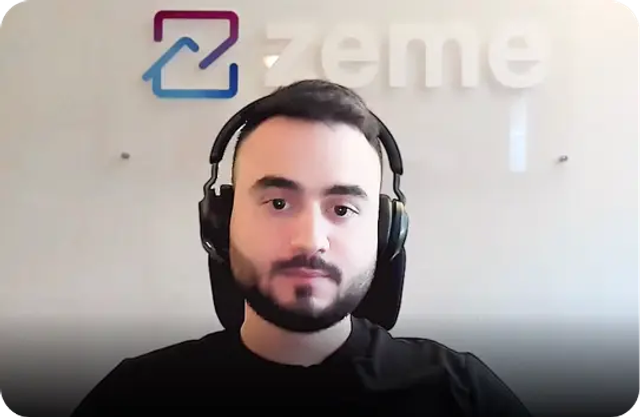
We don't just call them Logiciel; they're part of the Zeme team. Within the first week they were contributing meaningfully to our codebase.
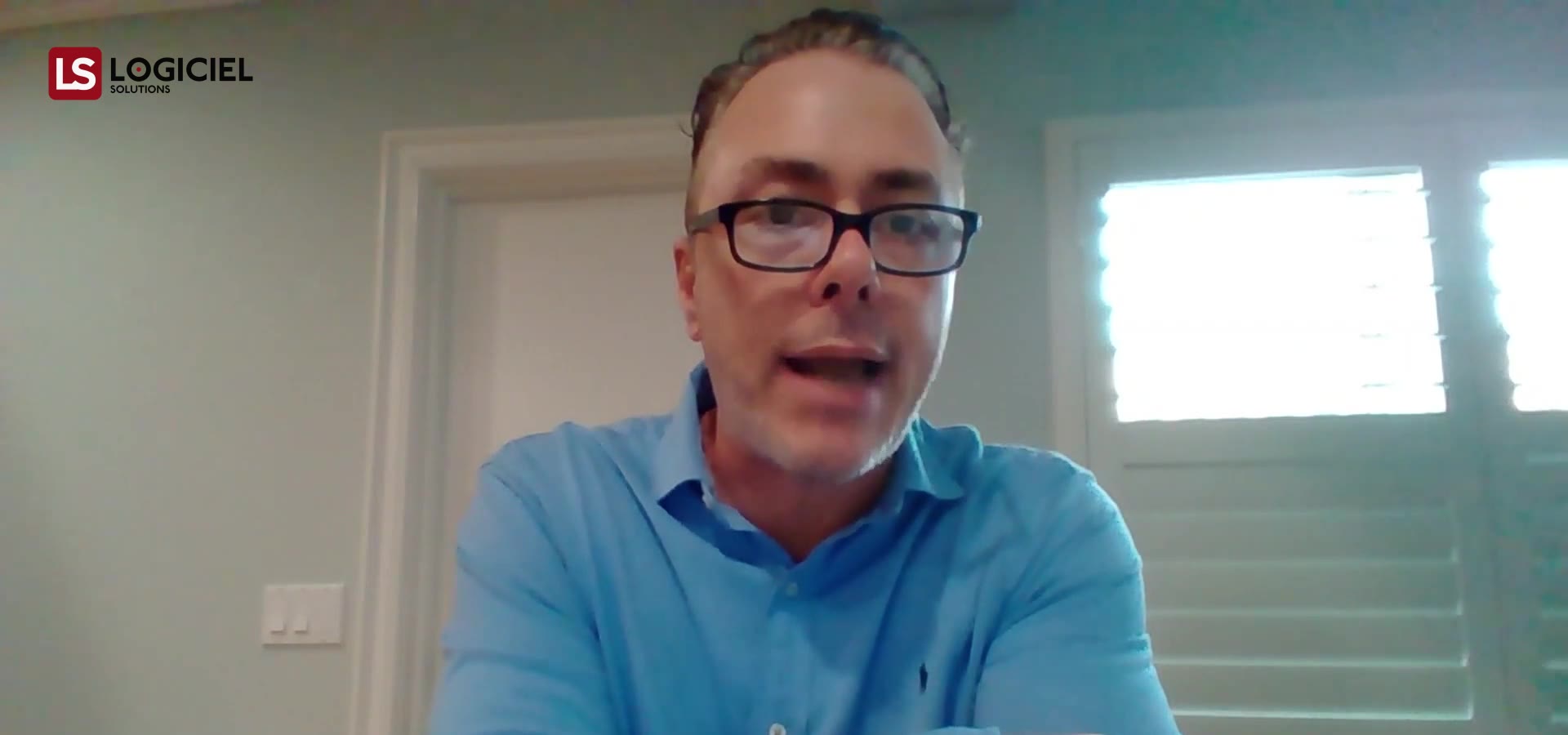
The Logiciel team worked tirelessly and built everything we needed, with security and best practices across our entire platform. It allowed us to become #1 in our industry, and we couldn't have done it without them.
Datadog, New Relic, and most APM tools watch infrastructure — CPU, memory, network, container health. They tell you the box is up. Logiciel watches the data itself: freshness, accuracy, schema, lineage, and cost across the path from ingestion to BI dashboard.
When your CMO opens a dashboard with stale numbers, the box was up — but the data wasn't fresh, and APM never told you. Logiciel detects that scenario in minutes, routes the alert to the team that owns the upstream pipeline, and shows the downstream dashboards affected.
APM and data infrastructure management are complementary, not substitutes; most US data teams run both.
No. Logiciel is designed to layer on top of your current Snowflake, Databricks, Redshift, BigQuery, Airflow, dbt, or Kafka setup — not replace them. Most teams are live in 2-3 weeks because we connect via metadata APIs and query logs rather than requiring re-ingestion.
Over time, customers often consolidate point tools (separate observability, catalog, and cost dashboards) onto Logiciel because the unified view eliminates swivel-chair monitoring, but that's a phased decision driven by your team, not a forced migration. We provide migration playbooks if and when you choose to consolidate.
Per-pipeline tier with unlimited users — no per-seat penalties when your team grows from 5 to 50. Pricing scales with the number of active pipelines and total data volume monitored, not with the number of dashboards or analysts who consume the insights.
For US mid-market customers, typical engagements start at $30K-60K annually; enterprise tiers with dedicated TAM, advanced governance, and 24/7 incident coverage scale from there. Pricing is transparent and contractually capped — no surprise overage bills when your data volume spikes during a marketing push or fiscal close.
Both, and that's deliberate. You get the data infrastructure management platform plus a US-time-zone implementation team that gets you to value within your first 30 days. The platform alone is powerful but takes months to extract full value when teams are already firefighting.
Our implementation engineers map your stack, prioritize the top 3-5 risk areas (usually pipeline reliability, cost attribution, and lineage gaps), and embed alongside your team for the first 30-90 days. After that, you can run it solo, retain advisory hours, or move to managed operations — your choice.
Yes. We have customers running fully cloud (AWS, Azure, GCP), fully on-prem (legacy Hadoop, Teradata, Oracle), and hybrid configurations — common in financial services, healthcare, and government-adjacent US enterprises. Logiciel deploys as a managed SaaS, in your VPC, or fully air-gapped on-prem when compliance requires it.
Hybrid customers typically run our control plane in the cloud while data planes execute in-region or in-DC, so sensitive data never leaves your perimeter. We've supported FedRAMP-aligned and HIPAA-aligned hybrid deployments at Fortune 500 scale.
Customers report 30-50% reduction in pipeline incidents and 20-35% reduction in cloud spend within the first quarter, plus a measurable lift in stakeholder trust (fewer 'is this number right?' Slack threads). The ROI math usually pencils out from two effects: engineers spend less time on reactive firefighting (regaining 8-12 hours per engineer per week), and FinOps gains attribution that surfaces 15-25% of compute as right-sizable.
We benchmark each customer's baseline in week one, so the ROI is measured against your actual numbers — not a generic case study from someone else's industry.
We have engineers and customer-facing leads based in the US, plus extended engineering teams across global time zones — meaning incidents get worked 24/7 without you paying for three shifts. Your account is staffed with a US-based principal architect, a US-based customer success lead, and a global engineering pod aligned to your sprint cadence.
All escalations route to a US-based on-call rotation during US business hours. For customers with strict residency or citizenship requirements (US Federal, regulated finance), we can configure US-only or US-cleared engineering teams.
Book a 30-minute working session with a Logiciel data infrastructure architect. We'll map your current stack, identify your top 3 risk areas, and show you exactly what unified management would look like for your team.