
Zeme · Real Estate
Real Estate
Many teams approach conversion rate optimization expecting quick design changes to improve results. In practice, effective CRO is a structured process that combines data analysis, experimentation, and engineering execution.
CRO agencies focus on improving the percentage of users who complete desired actions.
Core activities typically include:
Effective CRO ties every experiment to business outcomes.
Optimization Agencies


Teams that needed to ship fast, and did. Here's what partnering with Logiciel felt like from the inside.
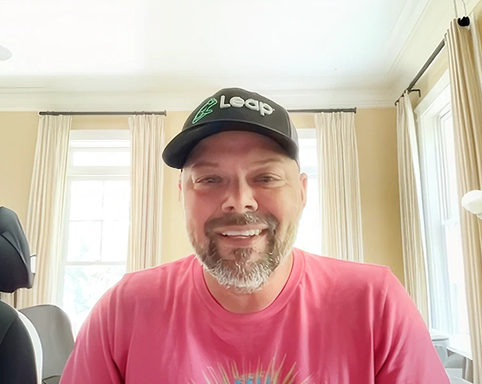
I would highly recommend them to anyone looking to scale quickly or needing support in engineering, product, or QA.
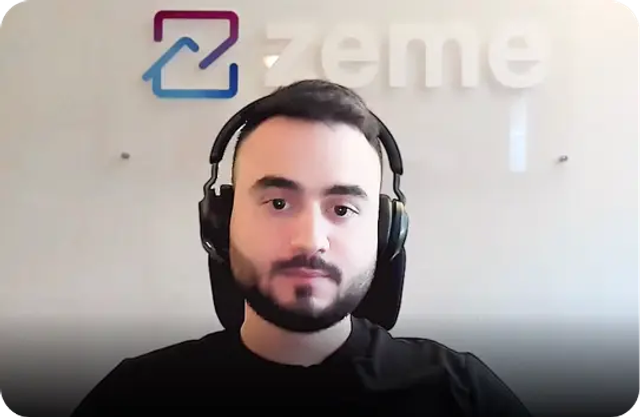
We don't just call them Logiciel; they're part of the Zeme team. Within the first week they were contributing meaningfully to our codebase.
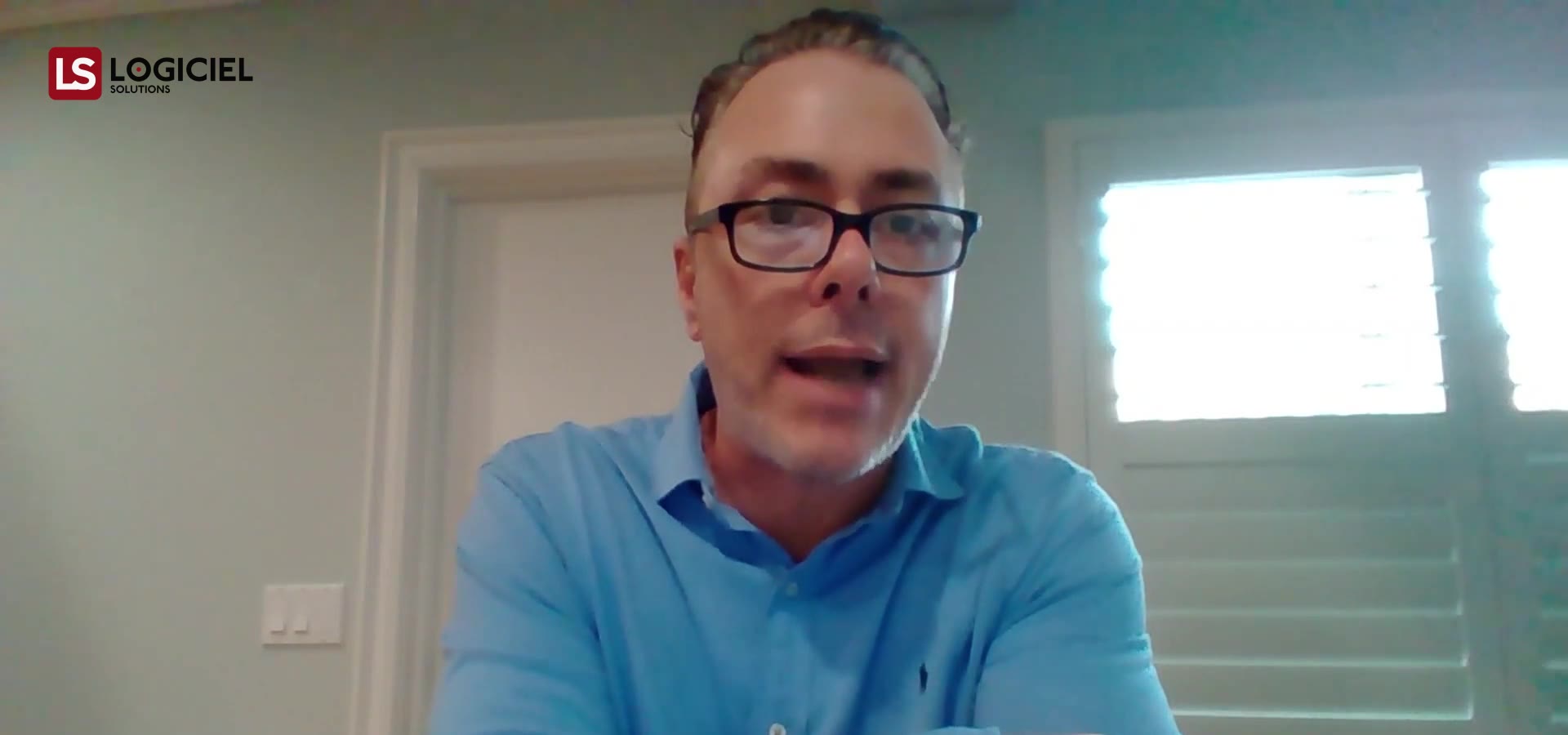
The Logiciel team worked tirelessly and built everything we needed, with security and best practices across our entire platform. It allowed us to become #1 in our industry, and we couldn't have done it without them.

A CRO agency analyzes user behavior and runs structured experiments to improve the percentage of visitors who convert.
No. CRO applies to SaaS, marketplaces, lead generation sites, and content driven platforms.
Success is measured through improved conversion rates, revenue impact, and sustained performance gains.
Initial insights may appear within weeks, but meaningful results usually require multiple test cycles.
No. CRO includes analytics, user research, performance optimization, and experimentation.
Book a call with our team today and see how Logiciel can transform your operations.