
Zeme · Real Estate
Real Estate
Your data stack didn't get expensive overnight. It got expensive one tool, one consultant, one Slack workaround at a time. Logiciel's data infrastructure solutions consolidate the architecture, the implementation, and the ongoing operations - so US data leaders stop managing vendors and start shipping value.
Half your data engineers' calendars are vendor calls, not engineering work. What looks like an engineering productivity problem is really a procurement problem - your team's calendar shape is being set by your vendor portfolio, not your roadmap.
Every quarterly business review surfaces a 'data quality' issue your team has been chasing for months. Data quality issues that bounce between teams for weeks aren't a quality problem; they're a sign that nobody owns the end-to-end data product across the toolchain.
Adding a new source, a new model, or a new BI tool feels disproportionately hard - and you can't articulate why. When adding a new source feels harder than it should, the friction usually lives in integration boundaries between tools, not in the work itself.
to your business model, not a generic diagram from someone else's deck. Reference architectures grounded in your business model surface trade-offs your team would otherwise hit in production six months later
build, run, optimize - under one SOW, one accountable lead. End-to-end ownership means SLA, milestone, and accountability conversations happen with one team - eliminating the typical multi-vendor blame triangle
that doesn't require a three-quarter refactor when your data science team finally hires. AI/ML-ready infrastructure designed in from day one saves you from the typical 9-12 month replatform when your data science team finally hires
| Dedicated Pod | Staff Augmentation | Project-Based Delivery |
|---|---|---|
| Embedded data engineering pod aligned to your sprint cadence - typically 3–6 engineers + a US lead. | Senior data engineers, architects, and SMEs slotted into your team to unblock specific work. | Fixed-scope, milestone-driven engagements with clear deliverables and outcomes. |
We map your stack, workloads, team, and constraints in a working session - not an RFP response.
Reference architecture grounded in your reality, with capacity, cost, and migration plans.
Iterative implementation with weekly demos, code reviews, and your team in the loop.
Managed operations or knowledge transfer - your choice. Both with US-aligned coverage.
Continuous tuning of cost, performance, and reliability against measurable SLAs.
Reference architecture, capacity modeling, vendor selection, multi-year roadmap.
Snowflake, Databricks, BigQuery, Redshift - implemented and tuned for your workloads.
Feature stores, vector DBs, model serving - production-grade from day one.
Real-time and batch pipelines from any source, with built-in observability.
Catalog, lineage, quality, and access controls integrated, not bolted on.
Run your infrastructure for you with US-aligned coverage and clear SLAs.


Teams that needed to ship fast, and did. Here's what partnering with Logiciel felt like from the inside.
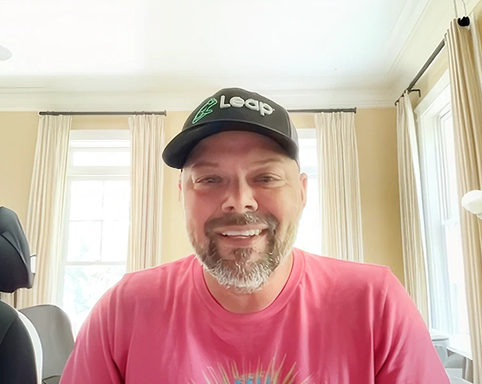
I would highly recommend them to anyone looking to scale quickly or needing support in engineering, product, or QA.
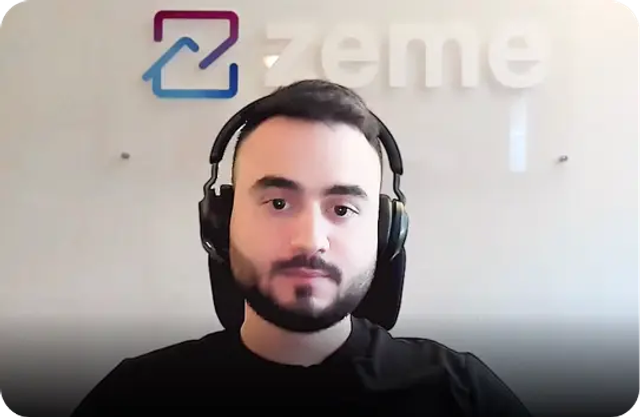
We don't just call them Logiciel; they're part of the Zeme team. Within the first week they were contributing meaningfully to our codebase.
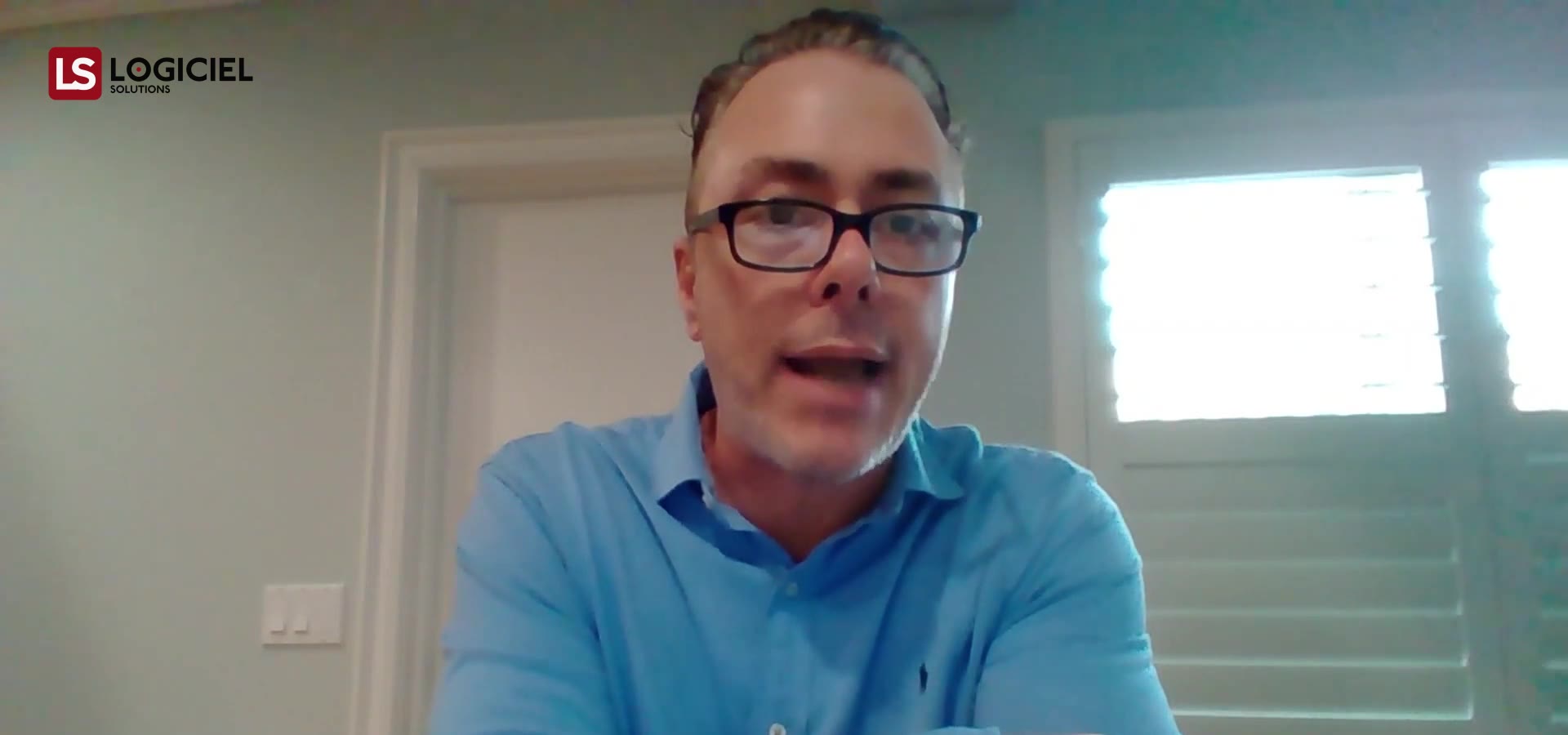
The Logiciel team worked tirelessly and built everything we needed, with security and best practices across our entire platform. It allowed us to become #1 in our industry, and we couldn't have done it without them.
Both — and we don't apologize for it. Logiciel builds with our own platform where it materially accelerates outcomes (ingestion, observability, cost, governance), and we use best-of-breed where it makes sense (Snowflake, Databricks, dbt, Iceberg).
You get the result, not a vendor lock-in. Most pure-services data infrastructure firms re-implement the same primitives every engagement, so you pay for tribal knowledge and get inconsistent quality. Most pure-tool vendors hand you the platform and walk away.
Logiciel covers the full lifecycle — strategy, architecture, build, run — under one accountable team, with software where it speeds delivery.
Foundational architecture engagements run 8-12 weeks and produce a costed, board-defensible roadmap. Full implementation engagements run 3-6 months for a mid-market scope (one warehouse, 50-100 pipelines, governance bootstrap) and 9-15 months for enterprise rollouts (multi-domain, regulated industries, parity testing).
Managed operations are ongoing, contracted in 12-month cycles. Most US customers start with the 8-12 week diagnostic before committing to implementation — it surfaces the real gaps, builds shared understanding with your team, and gives finance a realistic budget envelope rather than a vendor-pitch number.
PropTech, FinTech, B2B SaaS, eCommerce, Healthcare/Life Sciences, and Construction Tech — all weighted toward US-based data teams. Our deepest references are in regulated industries (financial services with SOX/GLBA, healthcare with HIPAA) and high-growth scale-ups (SaaS unicorns, marketplaces with sub-second latency demands, PropTech firms consolidating after acquisition sprees).
We avoid industries where we don't have references — gaming, ad-tech, and pure-consumer-content — because data infrastructure work is judgment-heavy, and judgment without industry context produces bad outcomes.
Yes — and compliance is designed into the architecture, not retrofitted. We have active engagements covering SOC 2 Type II, HIPAA, SOX (BCBS 239 for cross-border financial reporting), GDPR, CCPA and other state privacy laws, and the EU AI Act for AI-adjacent workloads.
For US customers, we handle the full evidence-collection workflow (auto-collected lineage, access logs, masking enforcement records) so audits move from a 4-week scramble to a 1-day export. We've co-delivered with Big Four auditors and can provide auditor-aligned reference architectures on request.
Yes — about 70% of our engagements are partnership models where Logiciel augments rather than replaces the in-house team. Common shapes: (1) embedded pod where 3-6 Logiciel engineers slot into your sprint cadence under a US-based lead, (2) staff augmentation where named seniors fill specific gaps (data architect, DataOps lead, ML infra), (3) co-delivery where Logiciel owns specific workstreams while your team owns others.
We deliberately structure for knowledge transfer — your team should be able to run what we build after handoff. Pure-staff-aug-only relationships exist but are not our preferred model.
An 8-week architecture diagnostic, fixed-fee, that produces a concrete remediation plan defensible to your CFO and board. Output includes: current-state map of your data infrastructure (often more sprawl than leaders realize), top 3-5 cost or risk gaps with quantified impact, target-state architecture with capacity model, phased migration plan with milestone-by-milestone cost, and a TCO comparison across realistic vendor scenarios.
About 60% of diagnostic customers continue into implementation. The other 40% take the plan in-house or to a different SI — we're fine with that, the diagnostic stands alone.
Yes — US-based leadership, US time-zone aligned program management, with global engineering scale. Every named engagement has a US-based principal architect and a US-based customer success lead. Sprint ceremonies (planning, demos, retros) run during US business hours regardless of where engineers are physically located.
For customers with US-citizen or US-cleared requirements (federal, regulated defense, sensitive healthcare), we maintain a US-only engineer pool. Our US footprint includes Chicago, NYC, and West Coast hubs plus distributed remote senior staff across the continental US.
Book a working session with a Logiciel principal architect. In 60 minutes, we'll diagnose where your current infrastructure is bleeding, which fixes are cosmetic, and which are structural.