
Zeme · Real Estate
Real Estate
Most data pipeline software is a glorified cron job with a UI. Logiciel is built for engineers who've been burned by silent failures, schema drift, and 'why is the dashboard wrong' Slack pings. Real-time observability, declarative pipelines, and CDC that actually works - without the 3am pager.
you're paying $$ per source, even for the ones you barely use. Per-row pricing penalizes growth, which is exactly the wrong incentive structure for a tool that's supposed to scale with your business.
when something breaks, you can't see why without opening a ticket. Black-box failures are operational debt; if you can't see why something broke, you can't prevent the next instance, regardless of how good the runtime is.
your homegrown setup works, but only one engineer understands it, and they're on PTO. DIY tooling held together by tribal knowledge is one PTO away from a P1 - the platform decision is fundamentally about reducing key-person risk.
Pipeline tooling that respects engineers.
Git-native pipelines - version control, code review, no UI-only drag-and-drop nightmares. Declarative pipelines with Git-native workflows mean code review and version control apply to data engineering the same way they do to software engineering
streaming, and batch - same primitives, same observability, same SLA model. Same primitives across CDC, streaming, and batch eliminate the cognitive overhead and operational drag of running three architectures in parallel
freshness lag, and anomaly patterns - no separate observability tool. Auto-detection of schema drift, freshness lag, and anomaly patterns means observability is part of the pipeline product, not a separate vendor decision
no proprietary SDK. Open SDK means custom connector velocity is bounded by your engineering capacity, not a vendor's roadmap or partner program
| Dedicated Pod | Staff Augmentation | Project-Based Delivery |
|---|---|---|
| Embedded data engineering pod aligned to your sprint cadence - typically 3–6 engineers + a US lead. | Senior data engineers, architects, and SMEs slotted into your team to unblock specific work. | Fixed-scope, milestone-driven engagements with clear deliverables and outcomes. |
We map your stack, workloads, team, and constraints in a working session - not an RFP response.
Reference architecture grounded in your reality, with capacity, cost, and migration plans.
Iterative implementation with weekly demos, code reviews, and your team in the loop.
Managed operations or knowledge transfer - your choice. Both with US-aligned coverage.
Continuous tuning of cost, performance, and reliability against measurable SLAs.
Real-time change data capture from Postgres, MySQL, MongoDB, and 30+ databases.
Schedule, backfill, and replay - declarative, idempotent.
Detect, classify, and route schema changes before they break downstream.
Kafka, Kinesis, Pub/Sub - exactly-once semantics, sub-second latency.
Push warehouse data back to Salesforce, HubSpot, Marketo, and 100+ destinations.
Latency, freshness, error rate, lineage - every pipeline, one view.


Teams that needed to ship fast, and did. Here's what partnering with Logiciel felt like from the inside.
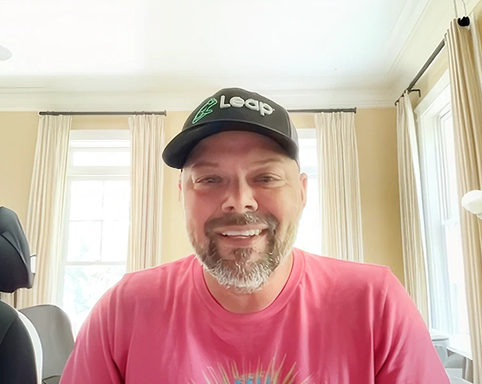
I would highly recommend them to anyone looking to scale quickly or needing support in engineering, product, or QA.
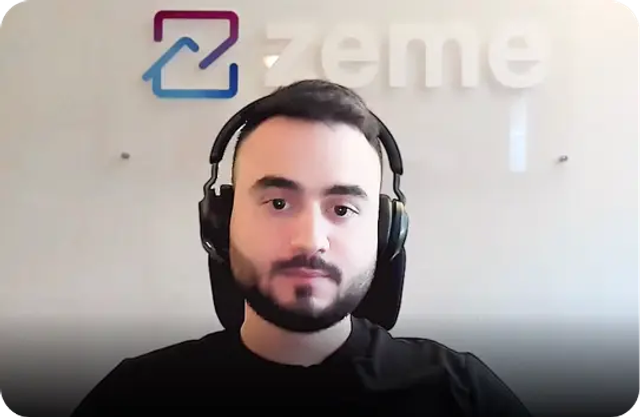
We don't just call them Logiciel; they're part of the Zeme team. Within the first week they were contributing meaningfully to our codebase.
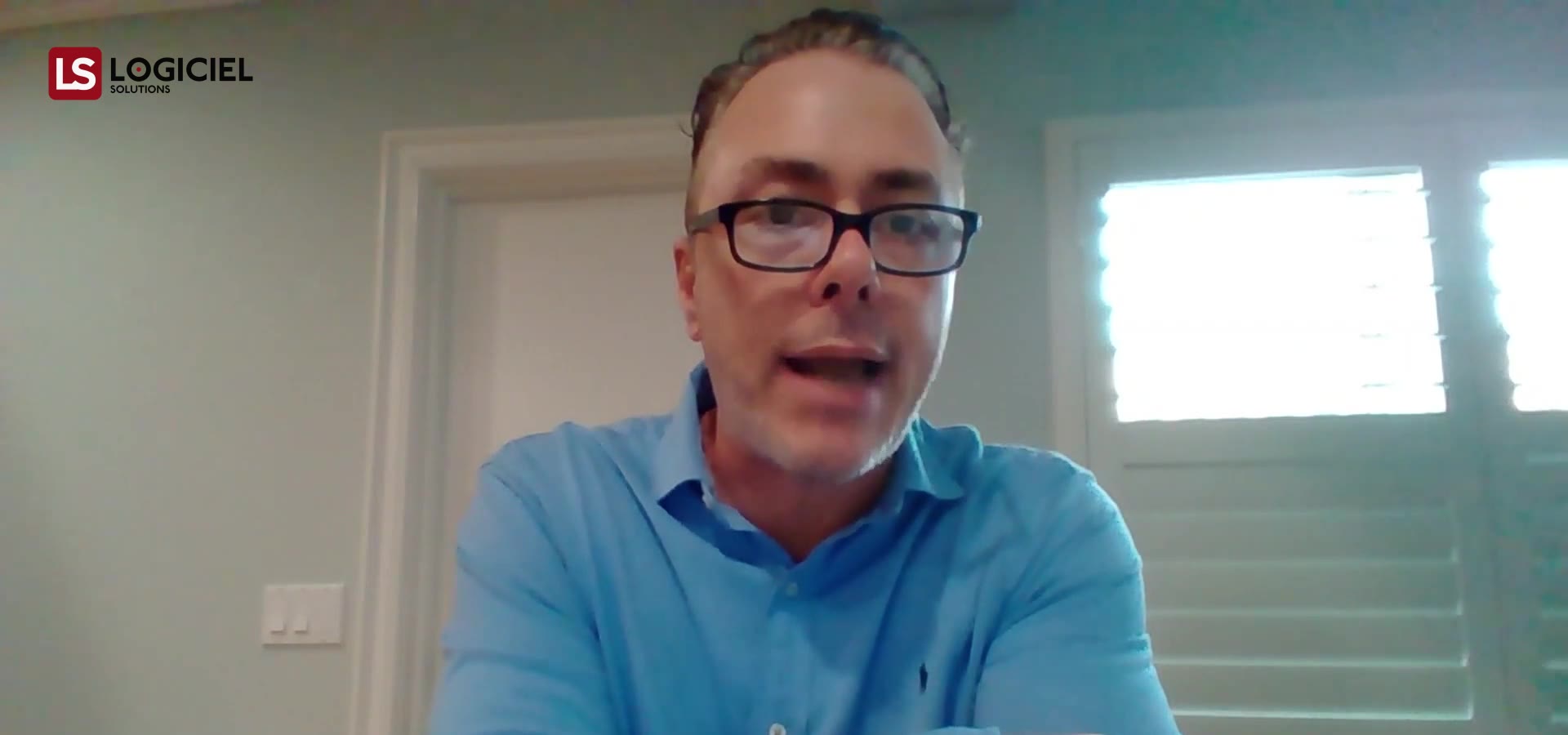
The Logiciel team worked tirelessly and built everything we needed, with security and best practices across our entire platform. It allowed us to become #1 in our industry, and we couldn't have done it without them.

Fivetran and Airbyte are ingestion-only tools - they pull data from sources to your warehouse, charge per row, and stop there. Logiciel handles ingestion plus streaming, batch ETL, reverse-ETL, transformation orchestration, and observability in one declarative system, with predictable per-pipeline pricing instead of per-row penalties that punish growth.
For US mid-market customers running 50-200 connectors, Logiciel typically lowers TCO 30-60% versus Fivetran. We're closer to the Airbyte open-source ethos (extensible, code-friendly) but with managed operations, enterprise governance, and SLAs that Airbyte doesn't offer in its OSS tier. Many customers replace both Fivetran and a separate orchestrator with Logiciel.
Yes - and this is one of the most-used Logiciel features. Build connectors in Python or Go using our open SDK, test them locally with the same runtime that runs them in production, version them in your own Git repo, and deploy them via CI/CD.
There's no proprietary scripting language to learn, no vendor-controlled connector catalog gating your roadmap. Common cases: SaaS apps without managed connectors (niche industry tooling), internal APIs, partner data exchanges, or custom CDC patterns for legacy databases.
We've seen customers ship working custom connectors in a single sprint, including code review and CI integration.
The core runtime is open source under a permissive license, so you can self-host, audit the code, and contribute. The hosted control plane, SSO/SCIM, advanced governance, observability dashboards, and dedicated support are commercial.
This is a deliberate model: open source ensures you're never locked in (you can take the runtime in-house if our commercial offering ever stops fitting), commercial covers the operational lift teams don't want to staff.
Most US customers run the commercial managed product because the savings on operational overhead exceed the commercial license cost - but the door to self-hosting is real, not theoretical.
Yes - natively for both streaming and batch, with built-in idempotency keys, transactional sinks, and replay safety. Most 'exactly-once' claims in this space mean 'eventually consistent with manual dedup logic.' Logiciel handles exactly-once at the runtime level so your pipeline code doesn't have to.
Concretely: streaming sinks (warehouse writes, downstream Kafka topics, API endpoints) are idempotent by default. Batch jobs are restartable from any point without producing duplicates. And replays of historical windows don't disrupt currently-running consumers.
For US FinTech and billing-critical customers, exactly-once is a hard requirement - and we've passed independent third-party audits on the guarantee.
First-class - dbt runs natively in Logiciel pipelines with shared lineage, observability, and SLA management. Drop your existing dbt project in (manifests, profiles, tests) and Logiciel orchestrates it alongside your ingestion and reverse-ETL flows, with column-level lineage that crosses dbt boundaries into upstream sources and downstream BI. dbt tests run as part of the pipeline DAG, with failures routing through Logiciel's incident management.
You keep dbt's developer experience (Git, code review, modular SQL); you gain unified orchestration and observability. About 80% of Logiciel customers run dbt; we don't replace it, we make it operationally sane at scale.
Most teams have their first production pipeline running in under 2 weeks. Full pipeline migration from a homegrown setup or competitor (Fivetran + Airflow) typically takes 6-12 weeks. The longest-pole item is usually not technical but organizational: getting access to source systems, mapping ownership of legacy pipelines, and reaching consensus on schema standards.
We provide a structured 30/60/90 onboarding plan with named milestones, US-time-zone implementation engineers embedded in your sprint cadence, and a customer success cadence that escalates fast if we're falling behind. The onboarding plan is fixed-fee, so you know the budget on day one.
Per active pipeline - meaning you pay for what's running, not for what you ingest, not for who uses it. Pipelines are tiered by size (data volume per day) and complexity (single-stage vs multi-stage with stateful transforms).
Most US mid-market customers pay $30-90K ARR for 50-150 active pipelines including streaming and reverse-ETL. There's no per-row pricing, no per-destination fees, no quarterly resets that punish you for growing. We publish pricing transparently, and we benchmark TCO against your incumbent (Fivetran, Stitch, Hightouch combined, or homegrown) before contracting - so the savings claim is your numbers, not ours.
Try Logiciel free for 30 days in your own environment. Bring your worst Salesforce-to-Snowflake pipeline. We'll match its functionality and its observability - or you walk.