
Zeme · Real Estate
Real Estate
Most data architecture work happens in slide decks, gets approved in a TBR, and is wrong by next quarter. Logiciel's data architecture tools turn architecture into versioned code - with reference patterns, automated validation, and lineage that proves implementation matches the design.
Nobody's measuring how close you are. TBR-approved target architectures without measurement of progress against them are slideware, not strategy.
After that - best of luck. Documentation current at ship and stale within weeks is a structural failure of manual approaches - automated drift detection is the fix.
Reference architectures for warehouse, lakehouse, mesh, fabric, RAG-ready. Reference architectures for warehouse, lakehouse, mesh, fabric, and AI-ready encode pattern recognition; first-time architecture decisions miss known pitfalls.
does my actual stack match the documented design? Architecture validation against actual stack is the difference between architecture-as-documentation and architecture-as-control-plane.
not Lucidchart heroics. Versioned, code-reviewed architecture inherits the engineering discipline that software architecture long since established.
Embedded data engineering pod aligned to your sprint cadence - typically 3–6 engineers + a US lead.
Senior data engineers, architects, and SMEs slotted into your team to unblock specific work.
Fixed-scope, milestone-driven engagements with clear deliverables and outcomes.
We map your stack, workloads, team, and constraints in a working session - not an RFP response.
Reference architecture grounded in your reality, with capacity, cost, and migration plans.
Iterative implementation with weekly demos, code reviews, and your team in the loop.
Managed operations or knowledge transfer - your choice. Both with US-aligned coverage.
Continuous tuning of cost, performance, and reliability against measurable SLAs.
Pre-built architectures for warehouse, lakehouse, mesh, fabric.
Versioned in Git, code-reviewed, deployable.
Documented vs actual - flagged automatically.
Workload-based capacity and cost projections.
Multi-year TCO across scenarios for CFO defense.
Workshops and reviews led by principal architects.


Teams that needed to ship fast, and did. Here's what partnering with Logiciel felt like from the inside.
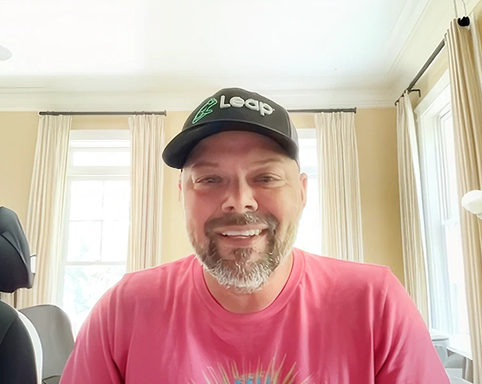
I would highly recommend them to anyone looking to scale quickly or needing support in engineering, product, or QA.
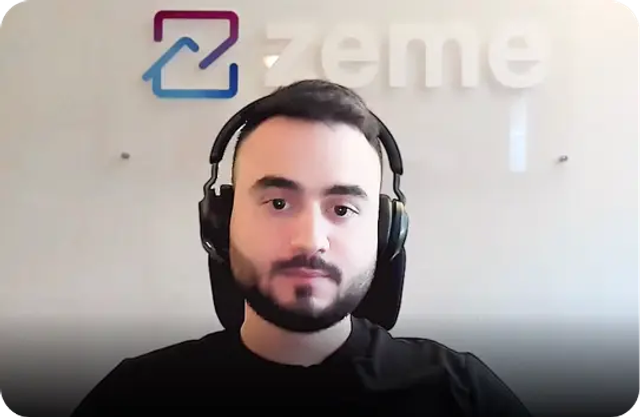
We don't just call them Logiciel; they're part of the Zeme team. Within the first week they were contributing meaningfully to our codebase.
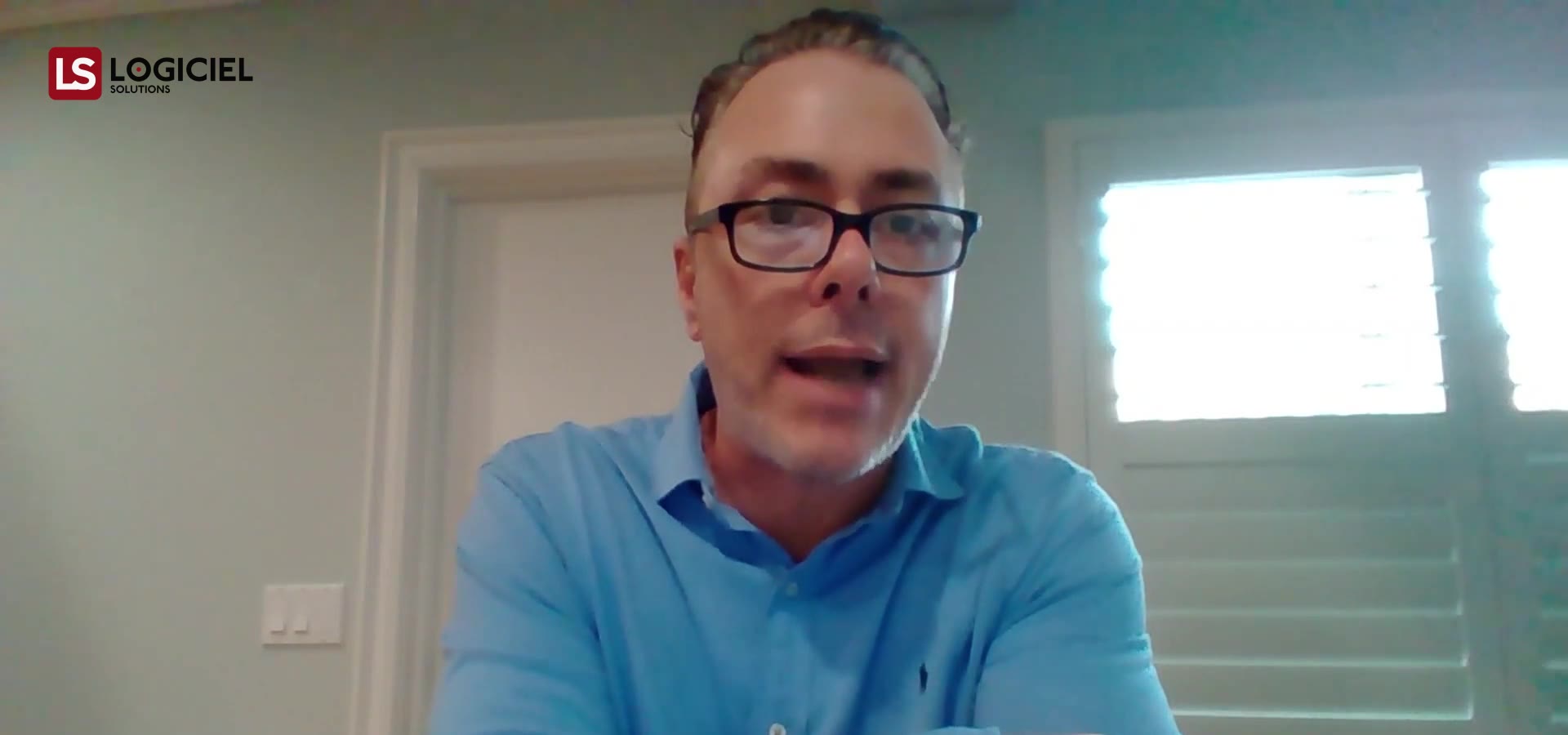
The Logiciel team worked tirelessly and built everything we needed, with security and best practices across our entire platform. It allowed us to become #1 in our industry, and we couldn't have done it without them.

Both, deliberately. The platform contains reference patterns, validation logic, capacity modeling, and drift detection; principal architects lead workshops, reviews, and remediation programs. Most customers want both: the tool gives engineering teams architecture-as-code primitives they can run themselves.
The consulting provides external perspective, accelerated knowledge transfer, and decision authority that a tool alone can't deliver. Pricing reflects the split: per-architect license for the tool, fixed-fee per workshop for the consulting.
Customers who buy only the tool typically engage consulting later when a specific decision needs external rigor. Customers who buy only consulting often add the tool when they want to operationalize the architecture between engagements.
Modern data warehouse, data lakehouse (Iceberg, Delta, Hudi), data mesh, data fabric, RAG-ready, agentic AI, real-time analytics, FinOps-optimized, regulated/compliance-first, hybrid (cloud + on-prem), multi-cloud, and government/sovereign cloud. Each pattern includes reference topology, technology choices, capacity model, cost model, and migration path from common starting points.
Patterns are continuously updated as the industry evolves; we publish change logs so customers know what's new. For US customers, we also provide industry-specific overlays: financial services, healthcare, PropTech, B2B SaaS, eCommerce, Construction Tech.
Custom patterns are supported for unique architectural needs but are typically not necessary.
Yes — most teams adopt one domain at a time, prove the pattern, then expand. Common starting domain choices: customer 360 (broad value, well-bounded scope), financial reporting (high audit pain), or post-acquisition data integration (urgent, executive-sponsored).
The 90-day pilot establishes the architecture pattern for one domain with measurable outcomes. After pilot, customers typically expand to 2-3 additional domains per quarter, completing rollout in 12-18 months for mid-size enterprises.
Architecture-as-code means each domain inherits proven patterns rather than reinventing them, accelerating subsequent rollouts. For Fortune 500 footprints, full architectural transformation typically takes 18-30 months — pacing is set by your team's capacity, not technology limits.
Logiciel maps your actual stack from runtime metadata (query logs, pipeline executions, BI tool usage, governance events) and compares to documented architecture patterns. Drift events are classified by severity: hard violations (PII in unauthorized locations, ungoverned cross-region data flows) trigger immediate alerts.
Soft drift (architectural patterns being violated for expediency) generates remediation backlog. The drift detection is continuous, not point-in-time, so architecture is operationally enforced rather than reviewed quarterly. For regulated customers, drift evidence supports audit defense and demonstrates ongoing controls effectiveness.
Most customers are surprised by initial drift findings — the gap between documented architecture and operational reality is typically larger than expected.
Yes — most enterprise customers run hybrid (cloud + on-prem) configurations, especially regulated industries. Hybrid patterns include: cloud-burst for analytical workloads with on-prem operational data, gradual cloud migration with parallel running, multi-region with on-prem secondary, and disaster recovery across cloud and on-prem.
We provide reference architectures for major hybrid patterns and have references in financial services and healthcare with active hybrid deployments at Fortune 500 scale. Architecture-as-code patterns describe both cloud and on-prem components consistently, so the architecture documentation works regardless of deployment topology. Hybrid is treated as a first-class pattern, not an exception.
Both — about 70% of engagements are remediation (existing stacks needing architectural alignment), 30% are greenfield. Remediation engagements typically start with current-state mapping (often surfacing more sprawl than leaders realize), gap analysis against target architecture, and prioritized remediation roadmap.
Greenfield engagements start with workload modeling, capacity planning, and reference architecture selection. The tool and methodology work for both, though the early-stage activities differ. For US customers, common remediation triggers include: post-acquisition integration, regulatory readiness (SOX, HIPAA, EU AI Act), AI/ML platform strategy, and cost optimization at scale (>$2M annual cloud spend).
Tool: per-architect license starting at $25K annually for individual architects, scaling to $150K+ for enterprise architecture teams with advanced governance. Workshops: fixed-fee per engagement, ranging from $50K (90-minute targeted workshop with deliverables) to $500K (full quarterly architecture program with embedded principal).
Implementation engagements that grow from architecture work are priced separately at fixed-fee for milestones. Pricing is transparent with workload-grounded comparisons available at evaluation. For US customers, we don't price like Big Four consulting — but we deliver equivalent architecture rigor with named US-based principals and concrete artifacts (not just slides).
Book a 90-minute architecture workshop. Bring your current state. Leave with a target architecture, drift gap analysis, and prioritized remediation plan.