
Zeme · Real Estate
Real Estate
E-commerce migration projects are often triggered by growth, performance limits, or platform constraints. They are also one of the highest risk initiatives for revenue-driven businesses.
E-commerce migration goes beyond moving a storefront.
Most projects include:
Each layer introduces its own risk profile.
E-commerce Migration
Most migration failures come from underestimated complexity.
Discovery and planning: two to four weeks
Build and data migration: four to ten weeks
Testing and validation: two to four weeks
Launch and stabilization: one to two weeks
Testing is the primary risk control mechanism in e-commerce migration.
Unclear data mapping
Custom logic embedded in legacy systems
Third-party integrations with limited documentation
Incomplete testing before launch
Current platforms limit performance or scale
Maintenance costs increase
Customization becomes fragile
Business models evolve beyond platform capabilities

Teams that needed to ship fast, and did. Here's what partnering with Logiciel felt like from the inside.
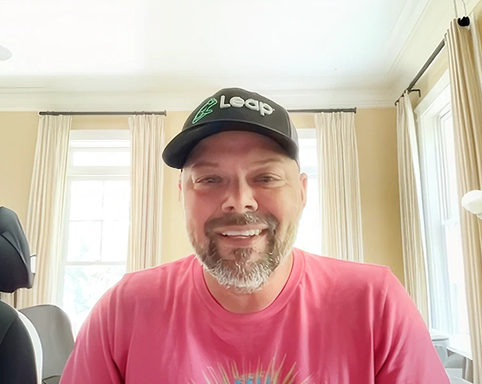
I would highly recommend them to anyone looking to scale quickly or needing support in engineering, product, or QA.
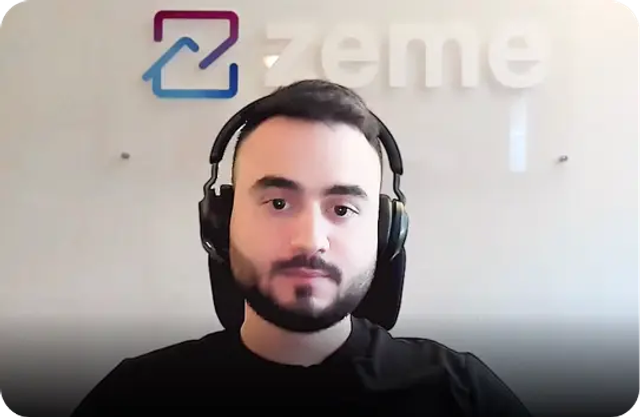
We don't just call them Logiciel; they're part of the Zeme team. Within the first week they were contributing meaningfully to our codebase.

The Logiciel team worked tirelessly and built everything we needed, with security and best practices across our entire platform. It allowed us to become #1 in our industry, and we couldn't have done it without them.

E-commerce migration is the process of moving an online store from one platform or architecture to another while preserving data, functionality, and performance.
Yes, if not planned correctly. Proper URL mapping, redirects, and SEO validation help preserve search rankings.
Not always. Some migrations focus on architecture modernization or integration changes without switching platforms.
Most ecommerce migrations take several weeks to a few months, depending on customization, integrations, and data volume.
Yes. Many migrations use parallel environments and staged cutovers to minimize or eliminate downtime.
Book a call with our team today and see how Logiciel can transform your operations.