
The same question quickly arises for every Vice President or Head of Data.
With dashboards storage pipelines warehouses or perhaps even Data Lake Storage.
Yet there is always a complaint amongst the business teams about:
- Data being slow
- Inconsistent insights
- The stalling out of AI initiatives prior to production due to
Ultimately as soon as the conversation transitions from the tools to the underlying architecture is when the Modern Data Platform discussion takes place.
This terminology can be confusing due to it being overused by multiple vendors misrepresented or misinterpreted by different teams and often organizations invest in building a modern data platform not fully understanding if they actually require one.
RAG & Vector Database Guide
Build the quiet infrastructure behind smarter, self-learning systems. A CTO’s guide to modern data engineering.
This blog will provide some clarity on the following issues:
- what a data platform is
- what makes a data platform modern
- the core components of a data platform architecture
- Leading Data Platform Vendors
- Why does your organization need one.
Definition of a Data Platform
In its most basic form, a data platform provides the capability for an organization to:
- Ingest What Data from different data sources.
- Store What Data by providing a data solution system.
- Process How Data to enable data access; and
- Serve What Data by facilitating access to the data for analytics and applications.
Defining a Data Platform - Modern Data Platform
A data platform is not one particular tool nor a single application system; instead, a data platform is a collection of systems and its respective pipelines and data governance components that will convert raw data into usable insight.
What are the tools used to build a Data Platform?
A Data Platform is made of (generally) 4 different types of tools. These types of tools are used for:
- Data Ingestion Tools (ex. Kafka, Fivetran)
- Storage Systems (ex. Data Lakes and Warehouses)
- Transformation Tools (ex. dbt and Spark)
- Business Intelligence (BI) Tools (ex. Looker and Tableau)
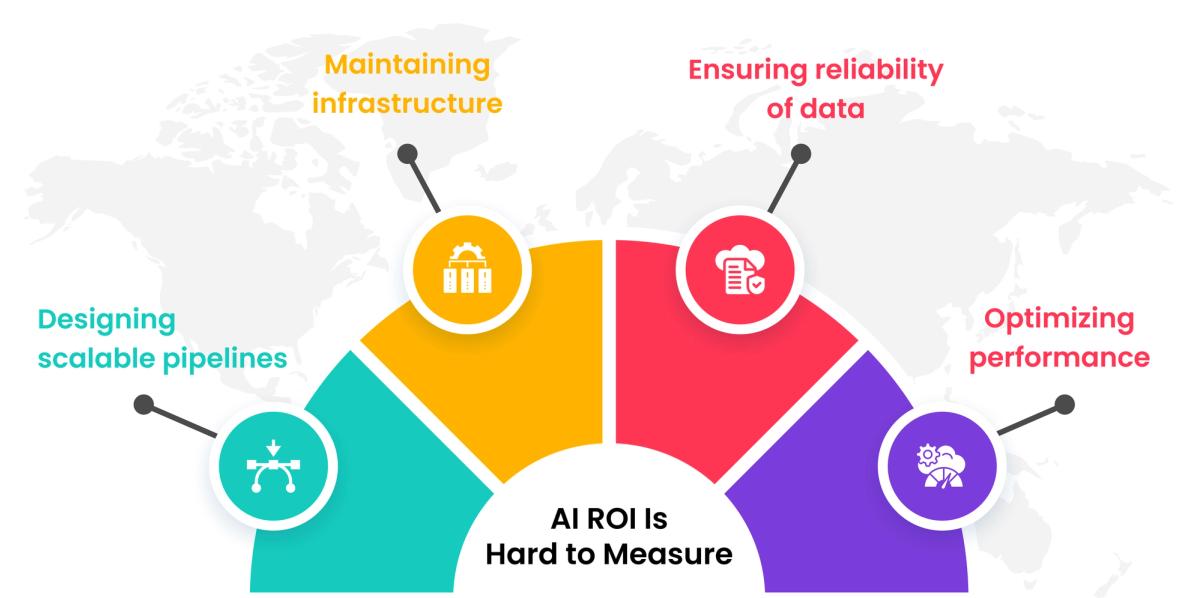
What is a Data Platform Engineer responsible for?
Data Platform Engineers focus on:
- Designing scalable pipelines
- Maintaining infrastructure
- Ensuring reliability of data
- Optimizing performance
What are the challenges associated with traditional Data Platforms?
Traditional, legacy Data Platforms have a number of characteristics including:
- They are rigid in design
- They are typically centralized in nature
- They are difficult to scale
Additionally, traditional Data Platforms were not designed to handle real-time data, AI workloads, or support multiple cloud (hybrid) environments.
Key Takeaway: The Data Platform is the foundation of everything you do Related to Data; however, because of these challenges associated with legacy Data Platforms, they tend to have significant difficulty scaling.
What is a Modern Data Platform?
A Modern Data Platform is a combination of traditional Data System architecture with the benefits / features of modern technological Data Platforms. A Modern Data Platform typically has the following features:
- Cloud-native Infrastructure
- Real-time Data Processing
- Self-Service Analytics
- Built-in Data Governance and Quality
- Built-in Support for AI and ML
Common characteristics of Modern Cloud Data Platforms
- Built on one of the major cloud providers (AWS, Azure, or GCP)
- Separating Storage and Compute
- Ability to Scale
Additionally, Modern Data Platforms support both batch and streaming processing, support both Real-Time and Historical Data, and support the monitoring of Pipeline Health/Quality (Data Observability) and both the Training of AI Models and Inference.
Examples of Modern Data Platforms include:
- Snowflake for Data Storage
- Kafka for Data Streaming
- dbt for Data Transformation
- Airflow for Orchestration
Industry Signal
Deloitte research found that businesses leveraging a Modern Data Platform have experienced faster decision-making and greater accessibility to Data across various teams.
Key Takeaway: The Modern Data Platform is purpose-built for scalability, speed, and AI-centric use cases.
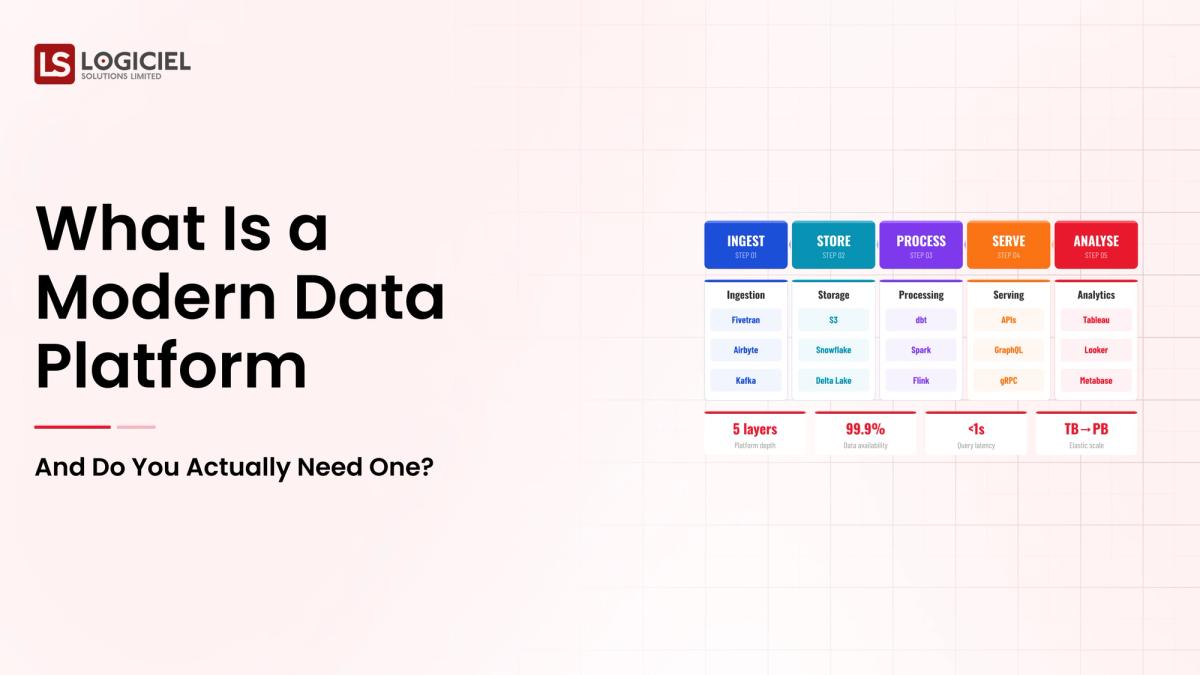
Core elements of modern data platforms include:
1. Data Ingestion
gathers information from different sources e.g., APIs, databases, and event streams.
2. Storage Solutions
designed to meet the needs of various data storage types (data lake, data warehouse, and lakehouse).
3. Data Processing
converting raw format to usable by either using batch or stream processing.
4. Data Serving
delivers processed data to analytics solutions or applications or other platforms such as APIs.
5. Data Governance/Security
assures company that access and compliance/security to the organization’s data are managed appropriately.
All of these elements working together to create a multi-layered system that will support the various types of analytical/operational cases.
Key take-away: Modern data platforms consist of multiple layers, not just one product.
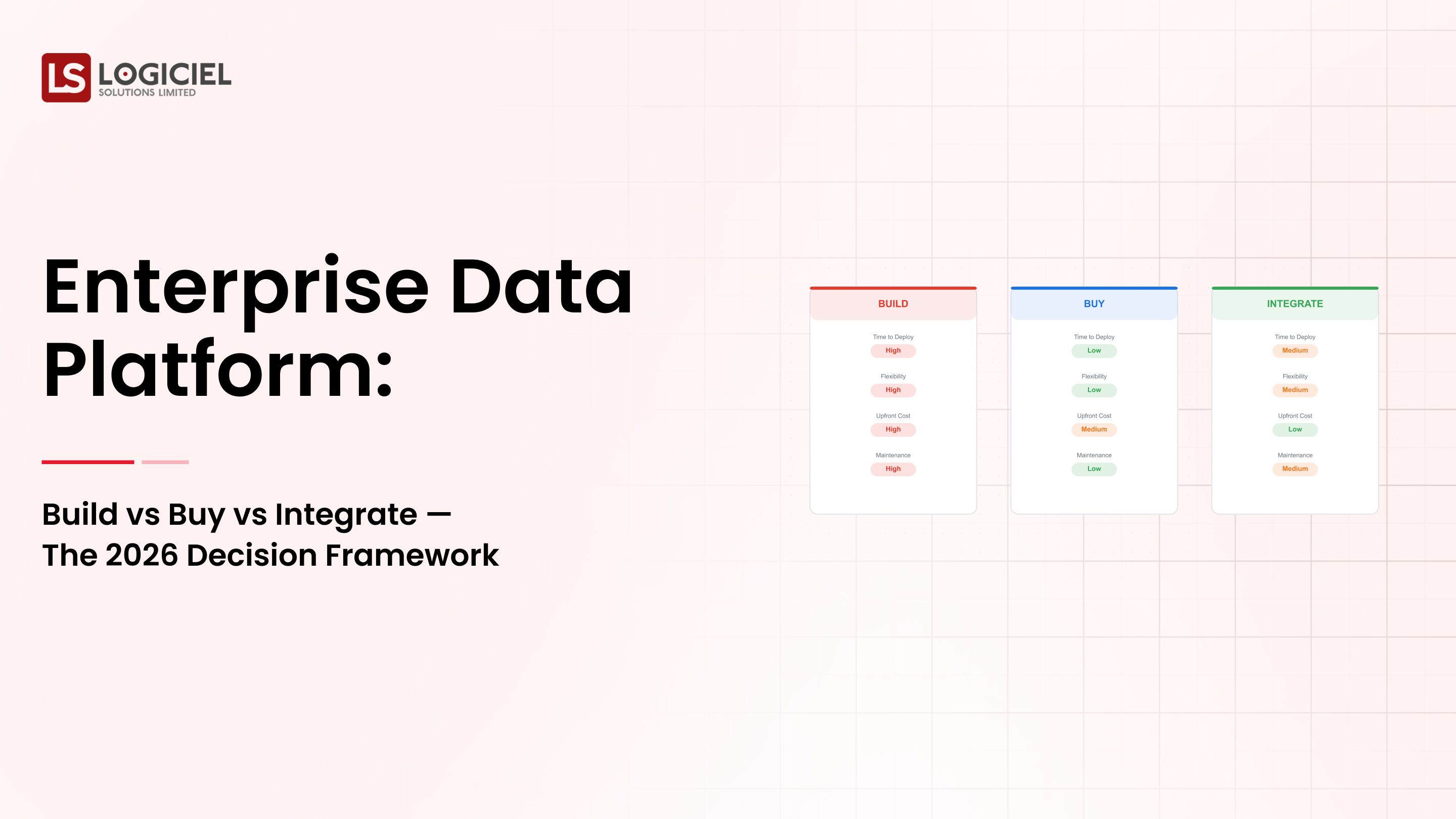
Building an enterprise-level data platform
Building an enterprise-level data platform that meets your organization’s needs requires more than just choosing tools. It is required that you have designed the systems that will meet your organization’s long-term evolving needs.
Step 1
define what type of analytics your organization will need to complete, including analytics, AI-related projects, and real-time analytics.
Step 2
identify architecture utilized in building your enterprise data platform:
- centralized platform
- data mesh
- hybrid method
Step 3
identify tools:
- interoperability
- scalability
- cost effectiveness
Step 4
implement administration:
- ownership
- access
- compliance
Step 5
enable users:
- access data
- build pipelines
- create dashboards
Common Mistake
Often organizations build data platforms more complex than necessary in the early stages.
Be simple as you start. Scale complexity as required.
Key take-away: An enterprise scalable data platform should evolve with the organizations business needs as opposed to anticipated future needs.
Leading Data Platform Technology Solutions
Cloud-native databases:
- Snowflake
- Google BigQuery
- Azure Synapse
End-to-end databases:
- Databricks
- Cloudera
Streaming databases:
- Kafka
- Confluent
What are the major data warehouse options for businesses?
The correct choice depends on:
- Data volume
- Use cases
- Existing environment
- Performance
- Cost
- Compatibility
- Security
Key Takeaway: no one-size-fits-all model exists.
Do You Really Need a Modern Data Warehouse?
That is the most crucial question.
You need one if:
- If data plays an important role in making decisions.
- If you work at scale.
- If you are spending money on AI.
- If your teams require self-service access.
You might not need one (if):
- You have low data volume
- You have minimal use cases
- You have limited teams
Signs that your existing system is failing
- Long time lapse between data delivery
- Frequent pipeline issues
- Inconsistent metrics across the organization
- Significant operational overhead
Strategic point-of-view
A modern data warehouse is not merely a technology investment but rather, a corporate capability.
In summary, build the modern data warehouse only when complexity warrants it.
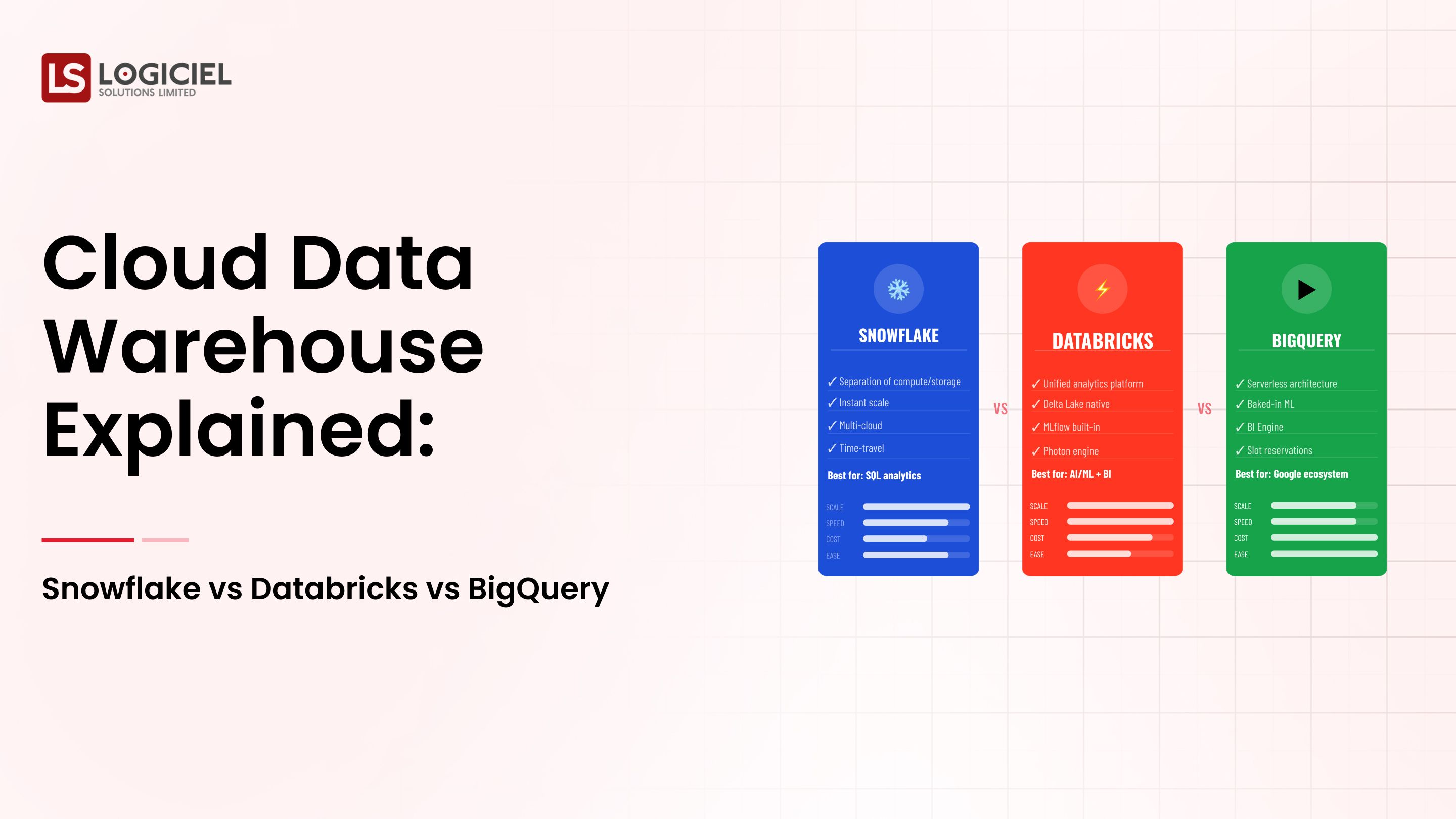
Comparing cloud data warehouses for scale
A frequently asked question is:
Which cloud data warehouse has the highest scalable solution when managing large data sets?
Examples
Snowflake
- Strong separation between compute and storage
- Very High concurrency
BigQuery
- Serverless solution
- Optimized for Analytics
Databricks
- Unified Analytics with AI
- Best for Machine Learning workloads
Factors that Tell You Which Data Platform to Choose?
- Workload
- Budget
- Experience
Key Takeaway: The scale of your data platform relies on its architecture more than the vendor.
Real-time Analytics & The Modern Data Platform
Modern Platforms Are More And More Real-Time
Why Is Real-Time Analytics Important?
- Faster Decisions
- Better Customer Experiences
- Improved Efficiency
How To Evaluate
- Streaming Support
- Low Latency Processing
- Event-Driven Architecture
Tools
- Kafka
- Flink
- Spark Streaming
Key Takeaway: Real-time capability is now standard.
Pricing Models Used By Modern Cloud Data Platforms
Understanding cost is Essential for Leadership Decisions.
Pricing Types
- Compute
- Storage
- Consumption
Hidden Costs
- Data Movement
- Query Inefficiencies
- Over-Provisioning
Optimization
- Monitoring
- Right-Size Workloads
- Automate Scaling
Key Takeaway: Cost optimization is critical.
Pitfalls Commonly Encountered in a New Data Platform
- Overengineering
- Tool-First Approach
- Ignoring Governance
- Lack of Data Ownership
- Underestimating Change Management
Key Takeaway: Failures are organizational, not technical.
Summary: Changing from Infrastructure to Strategic Capability
Data platforms have transitioned from an "infrastructure" to become the "foundation" for:
- Analytics
- AI
- Business decision making
As Data Leaders (VP/Head of Data), don't focus on building the best/dominant data platform; focus on building the best data platform for your current and future needs.
Conclusion
Logiciel Solutions supports organizations by building and designing AI-first data platforms that are built for your company's growing complexity. By having knowledgeable teams design and implement your data platform from architecture to completion, ensure the outcome of your data platform is, at a minimum, providing the technical capability to produce success.
Find out how we can help you move from fragmented systems to one unified-scalable data platform.
Agent-to-Agent Future Report
Understand how autonomous AI agents are reshaping engineering and DevOps workflows.