
Zeme · Real Estate
Real Estate
AI app development for energy and utilities. Build asset intelligence, field support, maintenance, and operations apps with secure data integration.
We combine application engineering, data integration, and applied AI to support energy workflows without bypassing operational controls.
using approved equipment records, maintenance history, manuals, and contextual operational data
helping teams locate relevant procedures and records without searching across disconnected systems
separating AI interpretation from validated procedures, authorization, and safety-critical actions
integrating appropriate asset, work-order, inspection, and reporting systems
designing interfaces around mobile devices, connectivity limits, and the work being performed
presenting supporting records, uncertainty, and escalation routes for consequential decisions
tracking information access, task completion, response quality, latency, and review effort
A team develops application UX, operational data integrations, AI features, testing, and deployment.
AI, data, and cloud engineers work alongside existing digital and operations technology teams.
A scoped initiative focuses on one workflow, such as asset knowledge retrieval or field report processing.
We map users, assets, operating conditions, source systems, and the task the application should improve.
We design web and mobile experiences around work orders, equipment context, device constraints, and practical user needs.
We connect approved maintenance, asset, document, and operational data through suitable service interfaces.
We structure manuals, inspection reports, and maintenance records for permission-aware, source-grounded access.
We define where AI can summarize or assist and where validated procedures and authorized review must take over.
We test asset context, source accuracy, incomplete records, access boundaries, offline or degraded behavior, and workflow exceptions.
We monitor reliability, usage, latency, errors, review effort, and feedback to improve production behavior.
A framework for assessing opportunities by information burden, data readiness, field impact, and operational consequence.
A method for separating information support from procedures, controls, and actions requiring qualified authorization.
An evaluation approach covering source accuracy, equipment context, access, resilience, and task completion.
We identify target equipment, field or office users, existing systems, information gaps, and measurable outcomes.
We define approved sources, integration interfaces, access rules, safety boundaries, and evaluation scenarios.
We build interfaces, retrieval workflows, and approved connections to asset and enterprise systems.
We test representative equipment questions, incomplete records, permissions, device constraints, and failure paths.
We observe production reliability, task outcomes, response quality, and user feedback to improve the application.

Teams that needed to ship fast, and did. Here's what partnering with Logiciel felt like from the inside.
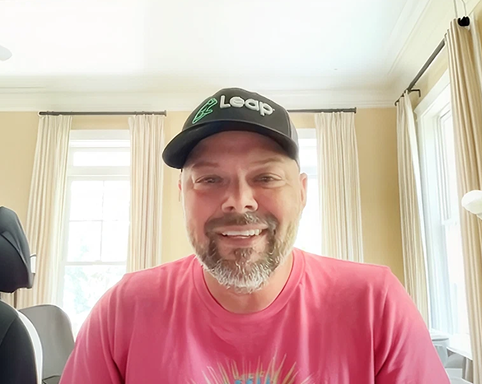
I would highly recommend them to anyone looking to scale quickly or needing support in engineering, product, or QA.
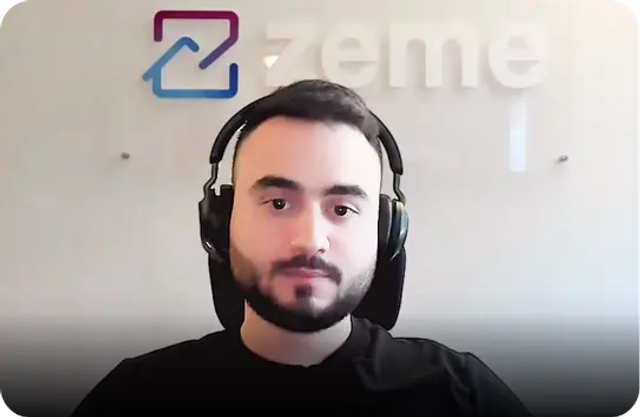
We don't just call them Logiciel; they're part of the Zeme team. Within the first week they were contributing meaningfully to our codebase.
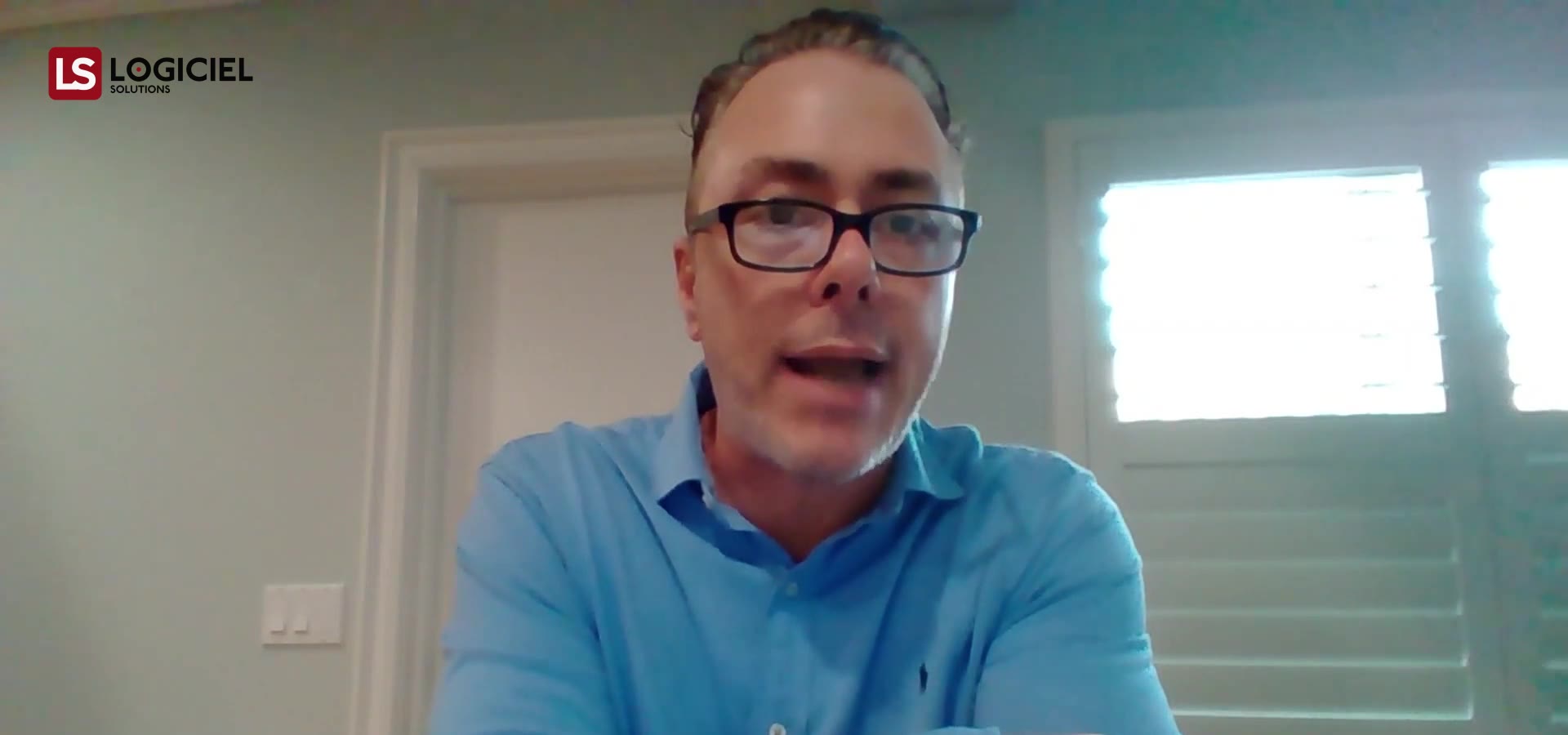
The Logiciel team worked tirelessly and built everything we needed, with security and best practices across our entire platform. It allowed us to become #1 in our industry, and we couldn't have done it without them.

It builds AI-enabled web and mobile applications for energy and utility workflows, including asset knowledge, field support, document processing, and operations information access.
They can when suitable interfaces and permissions are available. The integration approach depends on the asset records, maintenance systems, document stores, and operating environment.
Yes. Mobile features can support equipment information retrieval, guided reporting, and work-order context, with design choices informed by connectivity and device constraints.
Consequential operational actions should follow validated procedures and authorized human or deterministic controls. AI can support information retrieval and preparation within those boundaries.
We design retrieval around asset identifiers, approved source records, permissions, and visible references, then test representative asset-specific scenarios.
We identify data gaps, expose source context and uncertainty, and design fallback or escalation paths rather than treating missing information as fact.
We begin with a defined operational task, the users and assets involved, available systems, and the controls needed before selecting the AI implementation.
Share the asset, field, or maintenance workflow you want to improve. We will help define an AI application connected to your data and operating requirements.