
Zeme · Real Estate
Real Estate
AI app development company for technology and SaaS teams. Build AI features, copilots, and intelligent web or mobile products with production engineering.
We combine AI engineering with SaaS product delivery so new intelligence fits the architecture, roadmap, and customers you already serve.
designed around existing user journeys, permissions, pricing models, and the jobs customers need to complete
respecting account boundaries, user roles, data access, and enterprise configuration requirements
connecting model capabilities to current APIs, services, databases, and frontend components
using validation, business rules, fallback paths, and review steps around variable model outputs
measuring request volume, latency, usage patterns, and cost per meaningful product task
evaluating AI behavior alongside regression testing, observability, and established deployment workflows
using modular components that support additional use cases without locking the product to one model
A cross-functional squad delivers AI UX, backend integration, evaluation, and production features within your roadmap.
Specialists join your product and engineering team to address model integration, retrieval, architecture, and delivery bottlenecks.
A scoped initiative develops one product capability, such as an embedded copilot or intelligent search experience.
We assess user friction, product telemetry, support signals, and roadmap priorities to select an AI use case worth building.
We design interactions that fit existing product navigation, roles, states, and user expectations.
We plan account isolation, authentication, retrieval boundaries, configuration, and secure model access across tenants.
We connect models to product services, approved data, search indexes, and tool interfaces without duplicating core logic.
We combine model interpretation with deterministic rules, validated actions, permissions, and clear fallback behavior.
We test task success, grounded answers, tenant boundaries, error states, latency, and regression behavior across releases.
We monitor usage, model calls, failures, response times, and unit economics as features reach more customers.
A framework for assessing customer value, usage frequency, implementation complexity, data readiness, and monetization fit.
A way to decide which capabilities belong in your product code, model services, retrieval layer, or external tooling.
An evaluation approach combining task accuracy, user experience, tenant safety, performance, reliability, and cost.
We identify the product job, target users, existing journeys, integration points, and measurable feature outcomes.
We define model access, retrieval permissions, APIs, frontend behavior, failure paths, and evaluation criteria.
We build the AI experience into existing product services, interfaces, authentication, and delivery pipelines.
We test realistic accounts, user roles, data boundaries, model outputs, performance, and regression scenarios.
We monitor adoption, task outcomes, cost, latency, and failure patterns to guide iterative product improvements.


Teams that needed to ship fast, and did. Here's what partnering with Logiciel felt like from the inside.

I would highly recommend them to anyone looking to scale quickly or needing support in engineering, product, or QA.
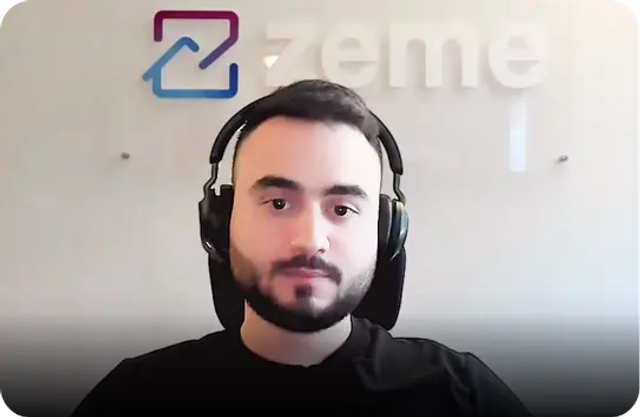
We don't just call them Logiciel; they're part of the Zeme team. Within the first week they were contributing meaningfully to our codebase.

The Logiciel team worked tirelessly and built everything we needed, with security and best practices across our entire platform. It allowed us to become #1 in our industry, and we couldn't have done it without them.

It helps technology teams design and implement AI features within web, mobile, and SaaS products. The work spans product UX, model integration, application architecture, data access, testing, and production delivery.
Yes. We can assess the existing frontend, backend, APIs, data sources, and identity model to determine how an AI capability should be integrated without creating a disconnected experience.
We design retrieval and tool access around account identity, roles, permissions, and the product’s existing authorization rules. We also test for cross-tenant information exposure.
Conversational features can be embedded into product workflows, but the implementation should go beyond chat when users need retrieval, validated actions, or contextual guidance.
That depends on requirements, data, economics, and evaluation results. Many features can use existing models with retrieval and product-specific logic rather than custom model training.
We define representative tasks and test answer quality, user permissions, failure behavior, latency, cost, and the effect on existing product journeys.
Start with the customer problem and existing architecture. An initial discussion can establish the workflow, data sources, integration constraints, success criteria, and practical first release.
Bring us the feature, product architecture, and user workflow. We will help turn the opportunity into a scoped, testable AI application capability.