
Zeme · Real Estate
Real Estate
AI application development for technology and SaaS teams. Build AI features, developer tools, knowledge workflows, and scalable products with Logiciel.
We combine AI engineering with established SaaS and product development practices so intelligent features fit the platform you already run.
solving a specific customer task within the screens and workflows users already know
preserving account boundaries, role permissions, and approved retrieval across shared infrastructure
supporting model access, retrieval, prompts, tool calls, and policy checks across product features
connecting AI services to APIs, events, databases, and existing backend contracts
using evaluation gates, observability, fallbacks, and release controls as adoption increases
tracking response quality, latency, usage, and model spend by feature or workload
documenting interfaces, failure paths, tests, and operational ownership for your team
A product-focused team builds AI capabilities across architecture, backend services, interfaces, testing, and deployment.
AI and product engineers strengthen your roadmap execution while working inside your existing engineering processes.
A scoped initiative delivers a defined feature such as tenant-aware search, an in-product copilot, or assisted onboarding.
We map user jobs, product constraints, adoption signals, data access, and measurable feature outcomes.
We design AI services around multi-tenancy, authentication, existing APIs, model routing, and failure handling.
We connect approved product records, events, documentation, and knowledge with tenant-aware access checks.
We build interfaces that expose context, clarify generated output, and fit existing product interaction patterns.
We implement service contracts, tool calls, caching where appropriate, rate controls, and deterministic workflow logic.
We test tenant isolation, representative requests, response quality, regressions, fallback behavior, and release readiness.
We instrument usage, latency, cost, quality signals, and controlled rollout within your existing delivery pipeline.
A method for comparing customer value, adoption potential, data readiness, engineering effort, and operating cost.
A way to decide when to reuse centralized AI services and when a feature needs its own isolated architecture.
A framework for evaluating tenant isolation, task quality, regression risk, latency, and operational visibility.
We identify the user task, product entry point, existing architecture, and evidence of feature value.
We assess identity, access controls, event streams, knowledge sources, and service interfaces.
We define model interactions, retrieval, UI behavior, API contracts, fallbacks, tests, and release controls.
We implement the feature in the product stack and validate user journeys, isolation, regressions, and exceptions.
We track adoption, quality, latency, and cost while iterating through existing product delivery cycles.
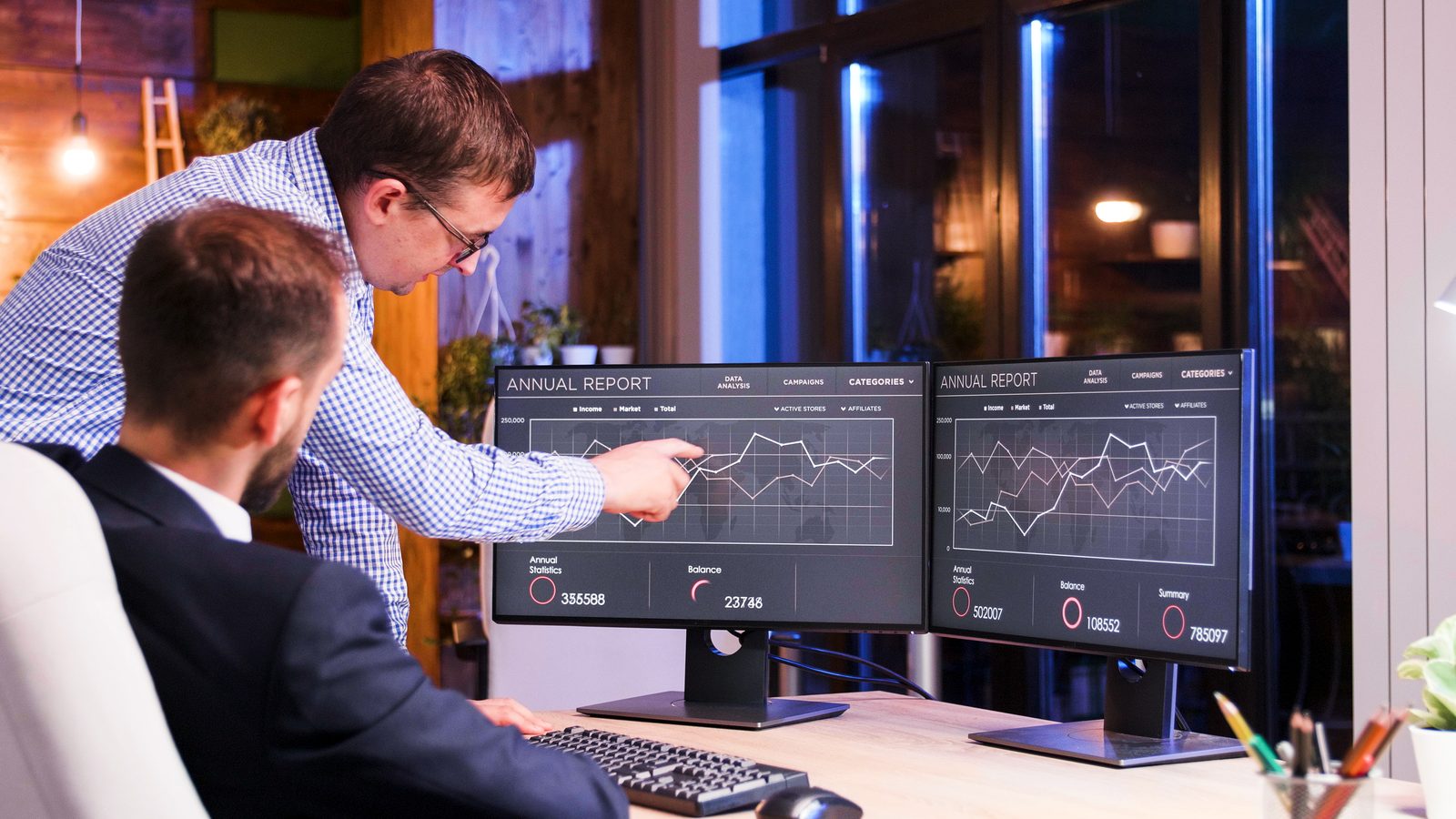

Teams that needed to ship fast, and did. Here's what partnering with Logiciel felt like from the inside.

I would highly recommend them to anyone looking to scale quickly or needing support in engineering, product, or QA.
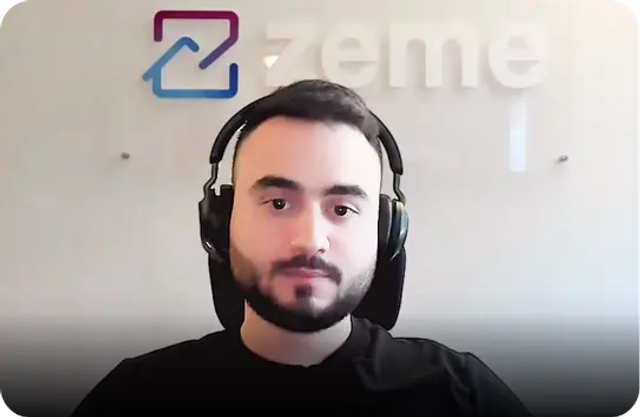
We don't just call them Logiciel; they're part of the Zeme team. Within the first week they were contributing meaningfully to our codebase.

The Logiciel team worked tirelessly and built everything we needed, with security and best practices across our entire platform. It allowed us to become #1 in our industry, and we couldn't have done it without them.

It helps product teams design and build AI capabilities within SaaS platforms, developer tools, internal products, and customer applications, including integrations, testing, and production operations.
Often, yes. The approach depends on available APIs, identity controls, data architecture, and the feature’s requirements. A focused integration can be more practical than replacing the product.
We design retrieval, service calls, logging, and model context around authenticated tenant and user permissions, then test those boundaries with representative scenarios.
Not always. AI services can use existing application infrastructure where appropriate, with additional model access, monitoring, isolation, or compute introduced only when needed.
We define service interfaces, evaluation cases, and deployment controls so model changes can be tested against product requirements before release.
Yes. AI services can support mobile interfaces through approved APIs, with interaction design and performance tuned to the device and workflow.
Review product engineering experience, tenant-aware architecture, testing, integration practices, observability, and the ability to work within your existing delivery process.
Bring us the feature on your roadmap and the architecture it needs to fit. We’ll help turn it into a testable, maintainable part of your SaaS product.