
Zeme · Real Estate
Real Estate
AI automation services for operations teams. Automate repetitive workflows, document-heavy processes, approvals, data handling, and system-to-system tasks.
We combine AI, software engineering, integrations, and process automation services to redesign repetitive operational work around the right balance of automation and human control.
focused on workflows where time, errors, handoffs, or processing volume create meaningful friction
for extracting, classifying, summarizing, validating, and routing information from business documents
across SaaS applications, databases, APIs, internal tools, cloud services, and communication platforms
for organizing information, preparing recommendations, identifying exceptions, and routing work to the right person
for workflows where review, approval, judgment, or accountability should remain with your team
across workflow status, exceptions, failures, processing time, and automation performance
as processes, systems, data volumes, and operational requirements change
A cross-functional team works with your operations and technology teams across process discovery, AI engineering, integrations, implementation, testing, and rollout.
An automation consultant or engineering specialists strengthen your existing team across workflow design, AI integration, APIs, cloud automation, and implementation.
A focused engagement built around a defined operational bottleneck, workflow, document process, or automation objective with clear implementation outcomes.
We map the current workflow, systems, inputs, handoffs, exceptions, processing effort, and business rules before deciding what should be automated.
We use AI where workflows require language understanding, classification, extraction, summarization, reasoning support, or handling of variable inputs.
We build workflows that ingest business documents, extract relevant information, validate outputs, and route results into downstream systems.
We connect SaaS tools, databases, internal applications, APIs, cloud services, and workflow platforms required to complete the process end to end.
We build controlled AI agents that can retrieve information, prepare work, call approved tools, update systems, or trigger defined next steps.
We automate operational tasks across cloud or hybrid environments where workflows need to coordinate applications, infrastructure, data, and services.
We track workflow performance, errors, exceptions, AI outputs, processing time, and cost so automation can be improved after launch.
A practical framework for ranking processes by repetition, volume, time spent, error exposure, system readiness, exception rate, and business value.
A structured way to decide which workflow steps should use deterministic automation, AI assistance, human judgment, or a combination of all three.
A framework for approvals, exception handling, permissions, observability, fallback behavior, auditability, and human oversight.
We map repetitive work, current systems, manual handoffs, exceptions, business rules, processing volumes, and the outcome automation should improve.
We determine where deterministic rules are enough, where AI adds value, where integration is required, and where human review should remain.
We define orchestration, system connections, AI components, permissions, exception handling, controls, data flows, and success criteria.
We implement the automation, connect required systems, test normal and exception scenarios, and validate AI outputs before wider rollout.
We track processing performance, exceptions, failures, cost, and user feedback while expanding automation based on measurable results.


Teams that needed to ship fast, and did. Here's what partnering with Logiciel felt like from the inside.
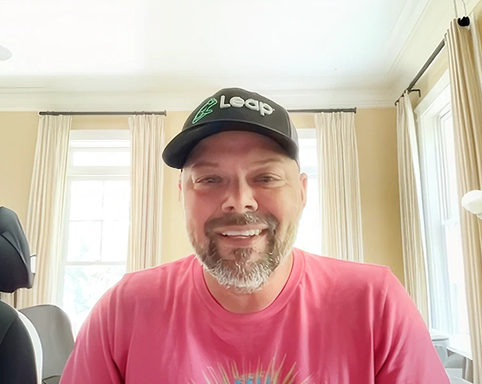
I would highly recommend them to anyone looking to scale quickly or needing support in engineering, product, or QA.

We don't just call them Logiciel; they're part of the Zeme team. Within the first week they were contributing meaningfully to our codebase.

The Logiciel team worked tirelessly and built everything we needed, with security and best practices across our entire platform. It allowed us to become #1 in our industry, and we couldn't have done it without them.

AI automation services combine artificial intelligence with workflow automation and software integration to automate business processes that involve documents, language, variable inputs, data movement, or repetitive operational decisions.
Traditional automation works best when rules and inputs are predictable. AI can extend automation to tasks such as document understanding, classification, summarization, information extraction, and handling less structured inputs. The two approaches can be combined within the same workflow.
Common opportunities include document processing, data entry, reconciliations, reporting, approvals, case routing, customer operations, finance administration, information retrieval, and workflows that move data between multiple systems.
Yes. Where suitable APIs or integration methods are available, automation can connect with SaaS applications, databases, cloud platforms, internal software, document repositories, communication tools, and existing workflow systems.
Yes. Where the accounting platform supports appropriate integrations, AI automation can complement existing accounting automation software by handling upstream document processing, data extraction, validation, routing, reconciliation support, and cross-system workflows.
Automation tools provide software your team configures and operates. An automation services company helps identify the right use case, design the workflow, engineer integrations, implement AI where appropriate, test the system, and support production deployment.
We look at factors such as task volume, repetition, processing time, error rates, exception frequency, business value, data availability, system access, and the level of human judgment required. Not every process benefits from full automation.
Connect AI, workflows, and existing systems to automate the work that consumes time without removing the human judgment your operations still need.