
Zeme · Real Estate
Real Estate
AI consulting services for healthcare to prioritize use cases, assess data readiness, and plan secure AI delivery. Applied AI engineering by Logiciel.
We connect business priorities to practical AI architecture, delivery planning, and validation for clinical documentation, administrative operations, patient service, and healthcare software.
ranking workflows by business value, feasibility, data readiness, integration complexity, and implementation risk
assessing authorized health information, EHR-adjacent systems, clinical references, administrative workflows, and user permissions before committing to a solution design
comparing model options, retrieval, agents, application services, cloud choices, and integration patterns against real constraints
defining the first use case, engineering milestones, dependencies, team responsibilities, and acceptance criteria
mapping access, evaluation, human review, failure handling, audit needs, and operational ownership where required
connecting investment to documentation time, correction effort, source grounding, access compliance, adoption, and workflow safety rather than a model demonstration
turning recommendations into scoped development, integration, testing, rollout, and ongoing improvement work
A time-boxed engagement assesses use cases, data, architecture, risks, and value to recommend a prioritized first implementation.
AI architects, data specialists, and engineering leads work alongside your teams on solution decisions, evaluation, delivery, and governance.
We move from discovery through a defined pilot or production use case with agreed acceptance criteria, technical ownership, and delivery milestones.
We map workflows, users, costs, pain points, and measurable outcomes across clinical documentation, administrative operations, patient service, and healthcare software to identify viable use cases.
We review authorized health information, EHR-adjacent systems, clinical references, administrative workflows, and user permissions, quality, lineage, access, dependencies, and ownership.
We compare model providers, RAG, agents, cloud services, custom components, security boundaries, lock-in, and operational trade-offs.
We map authorized data flows, staff roles, clinical review points, integration dependencies, and safety-related acceptance criteria.
We define appropriate access, human oversight, evaluation, release controls, evidence, monitoring, and risk ownership for each workflow.
We specify the first useful scope, integration steps, test scenarios, milestones, staffing, costs, and go/no-go criteria.
We support solution buildout, integration, QA, evaluation, production readiness, and handoff so advisory decisions become working software.
A method for separating administrative assistance, clinical information support, required professional review, and prohibited autonomous actions.
A way to compare packaged tools, managed models, and custom engineering on fit, control, integration, cost, lock-in, and maintenance.
A checklist for data access, architecture, evaluation, monitoring, failure handling, ownership, security, and change management.
We interview stakeholders and review current processes, users, systems, bottlenecks, and outcomes across clinical documentation, administrative operations, patient service, and healthcare software.
We inspect authorized health information, EHR-adjacent systems, clinical references, administrative workflows, and user permissions, model fit, security boundaries, integrations, and engineering capacity.
We compare opportunities on documentation time, correction effort, source grounding, access compliance, adoption, and workflow safety, implementation effort, risk, and speed to useful evidence.
We define architecture, evaluation, team ownership, milestones, dependencies, controls, and acceptance criteria for the selected use case.
We support implementation or pilot validation, measure outcomes, document lessons, and sequence the next engineering investments.


Teams that needed to ship fast, and did. Here's what partnering with Logiciel felt like from the inside.
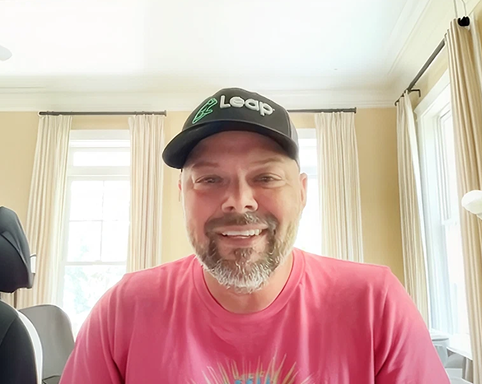
I would highly recommend them to anyone looking to scale quickly or needing support in engineering, product, or QA.
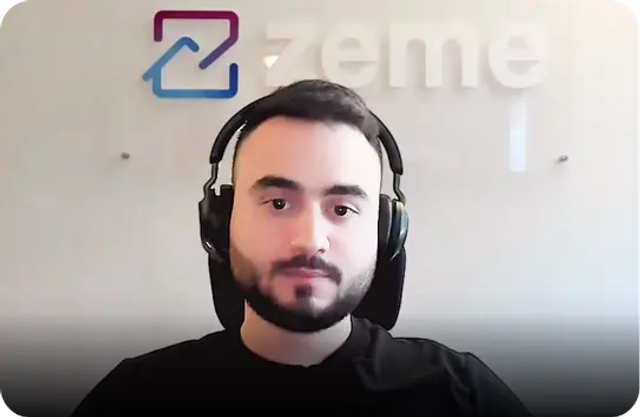
We don't just call them Logiciel; they're part of the Zeme team. Within the first week they were contributing meaningfully to our codebase.
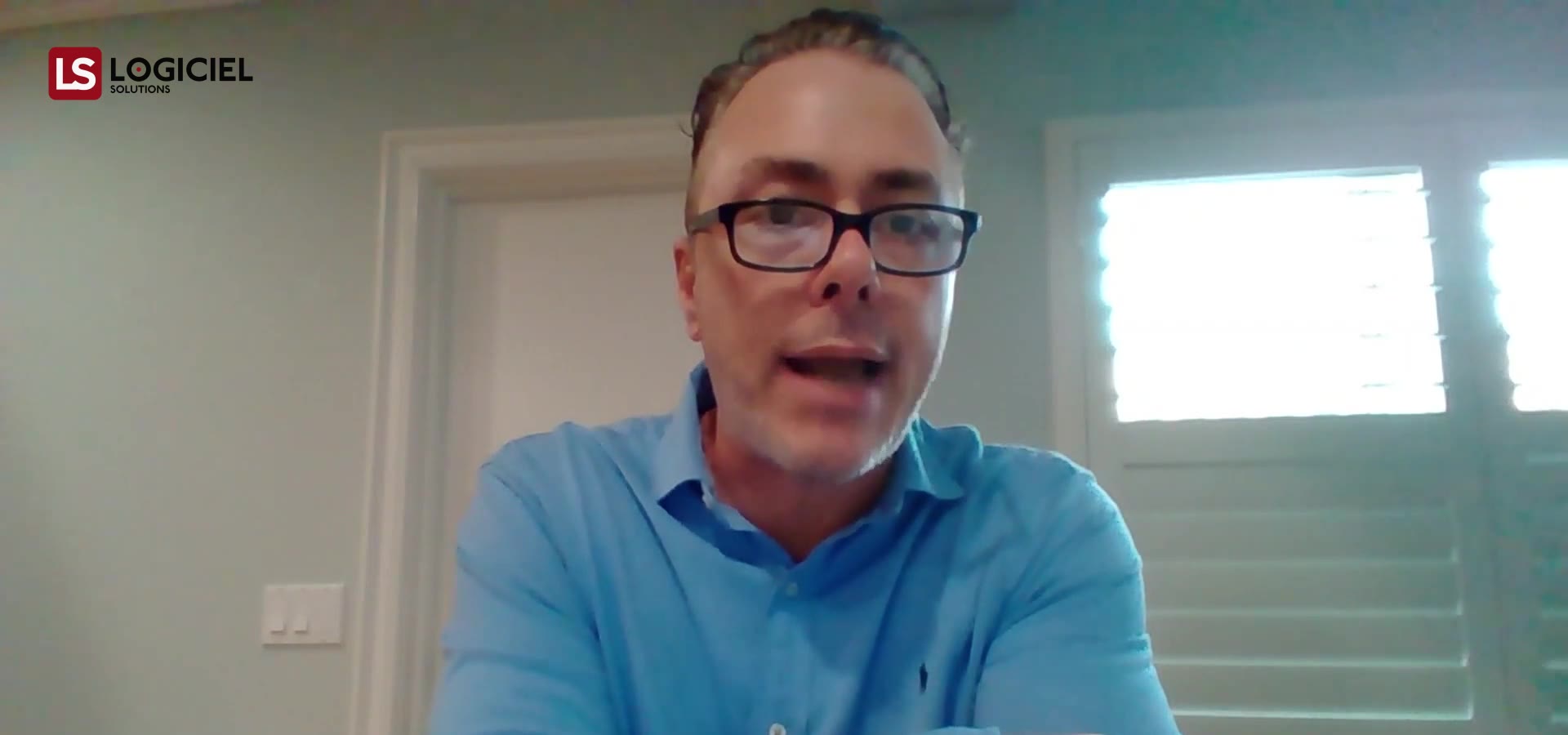
The Logiciel team worked tirelessly and built everything we needed, with security and best practices across our entire platform. It allowed us to become #1 in our industry, and we couldn't have done it without them.
AI consulting can cover use-case discovery, value prioritization, data readiness, model and architecture selection, integration planning, governance, evaluation, delivery roadmaps, and implementation support.
Consulting determines what to build, why, and under which technical and business constraints. Development implements and operates the selected solution. The two should share measurable acceptance criteria.
We compare user pain, business value, data availability, workflow repeatability, integration effort, risk, and how quickly a useful outcome can be measured.
Yes. We can work with CTOs, product leaders, data teams, and developers on architecture, evaluation, integration, governance, and delivery decisions without replacing internal ownership.
No. Provider and model decisions should follow the task, data requirements, performance targets, privacy constraints, cost, and integration needs.
Ask how each firm evaluates feasibility, measures outcomes, handles security and integration constraints, and turns recommendations into tested production software.
No. HIPAA applicability and compliance depend on data, use, architecture, agreements, organizational controls, and operations. We can assess technical safeguards and design requirements, but no consultation alone guarantees compliance.
Bring us your AI ideas and the constraints behind them. We will help identify the highest-value starting point for clinical documentation, administrative operations, patient service, and healthcare software and what it takes to deliver it.