
Zeme · Real Estate
Real Estate
AI copilot development services for energy operations, field maintenance, asset knowledge, engineering documents, and controlled decision support.
We combine applied AI engineering, technical knowledge integration, and controlled UX to support the people responsible for energy operations.
retrieving approved procedures and records for the correct equipment, site, and document revision
helping technicians locate instructions, history, and required checks during authorized workflows
providing source-linked summaries and making uncertainty visible before decisions are made
using permitted work-order, asset, and document systems without bypassing existing processes
keeping operational control, isolation steps, and consequential approvals with authorized personnel
evaluating obsolete procedures, missing context, conflicting records, and unsafe assumptions
supporting document updates, new assets, changing procedures, and production monitoring
A team works with operations and engineering stakeholders on knowledge integration, interfaces, safety boundaries, and evaluation.
AI, data, and application engineers support your teams with architecture, source readiness, and workflow integration.
A focused project targets one use case such as maintenance knowledge, engineering document search, or shift handover.
We identify user roles, equipment context, required documents, approval points, and the tasks the copilot should support.
We connect approved manuals, maintenance records, engineering files, and work-order data through permitted interfaces.
We design context assembly around site, asset identifiers, equipment configuration, source revision, and document authority.
We build interfaces that show sources, distinguish guidance from instructions, and support existing escalation processes.
We separate advisory assistance from operational commands and apply the organization’s access and approval requirements.
We evaluate outdated manuals, missing asset context, conflicting instructions, unsupported answers, and access failures.
We monitor usage, source quality, errors, and updates to equipment documentation and procedures.
A way to assess identifiers, document revisions, system connectivity, and source completeness before building assistance.
A method for distinguishing informational support from activities requiring safety procedures, authorization, or control-system access.
A framework for evaluating source authority, revision accuracy, missing context, uncertainty, and escalation behavior.
We map the maintenance or engineering task, accountable users, required context, and safety-related boundaries.
We review manuals, asset records, document versions, network restrictions, and available integrations.
We define retrieval, asset context, citations, access rules, uncertainty handling, and action restrictions.
We test real equipment questions, revision conflicts, missing records, and scenarios requiring escalation.
We review answer quality and usage while updating sources and evaluating changes to operational procedures.
Teams that needed to ship fast, and did. Here's what partnering with Logiciel felt like from the inside.
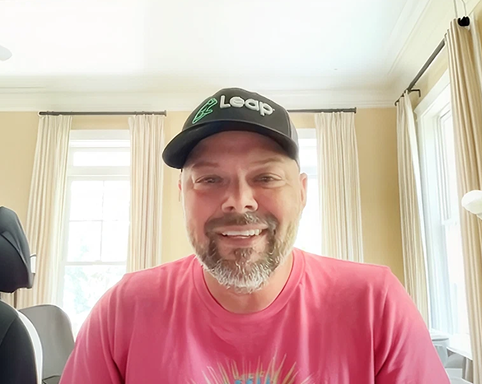
I would highly recommend them to anyone looking to scale quickly or needing support in engineering, product, or QA.

We don't just call them Logiciel; they're part of the Zeme team. Within the first week they were contributing meaningfully to our codebase.
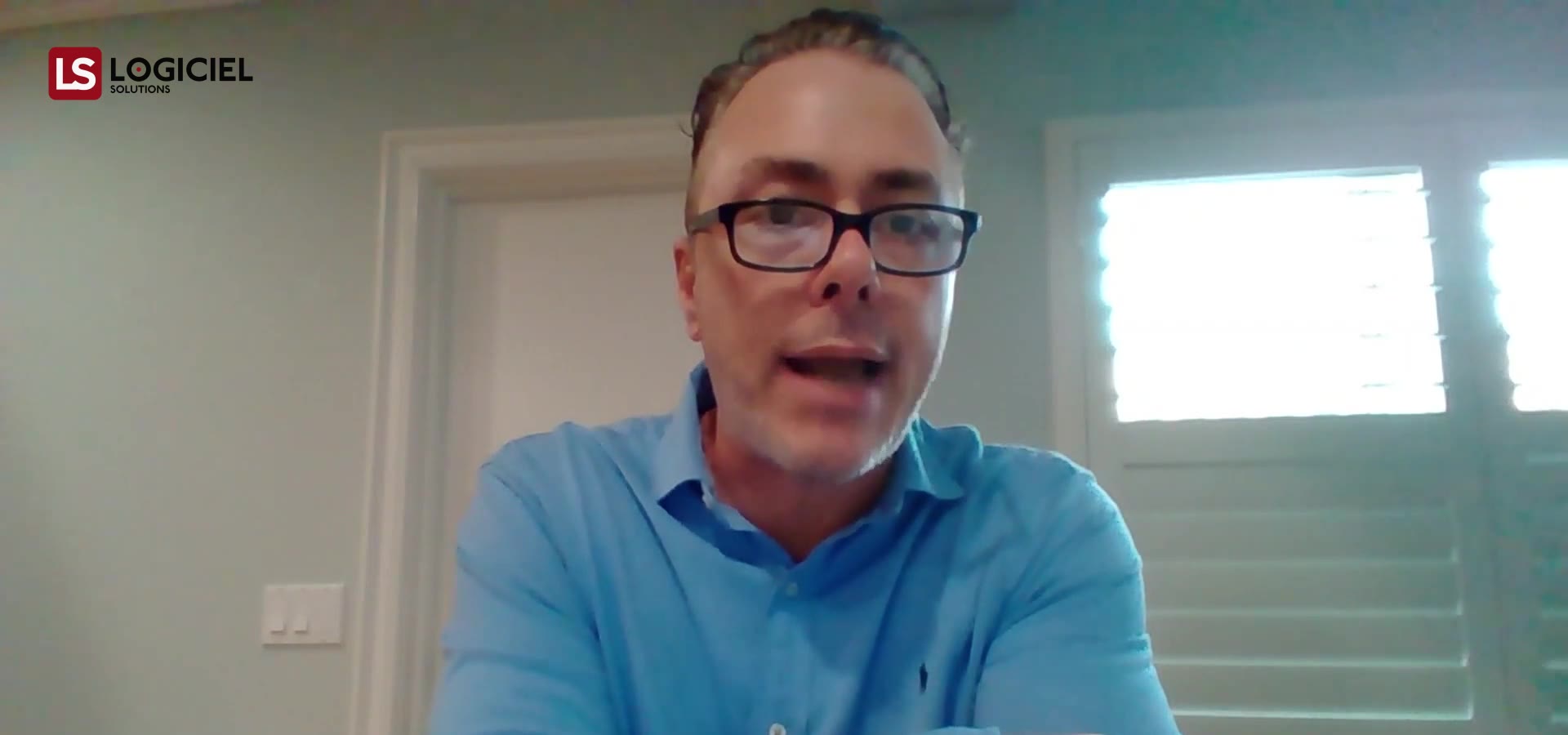
The Logiciel team worked tirelessly and built everything we needed, with security and best practices across our entire platform. It allowed us to become #1 in our industry, and we couldn't have done it without them.

They involve building AI assistance for technical document search, maintenance preparation, engineering knowledge, and operational coordination. The copilot supports responsible staff rather than replacing established safety procedures.
Yes, where those sources are available through approved integrations. Retrieval should identify the relevant asset, configuration, and document revision.
Advisory copilots should not be assumed to have control-system access. Any operational action requires separate design, authorization, safety review, and appropriate system controls.
We use document metadata, revision-aware retrieval, source authority rules, and tests for superseded or conflicting instructions.
It can help locate approved procedures, prepare work-order context, and surface relevant maintenance history. Staff must still follow site procedures and qualified supervision requirements.
They can be designed around approved access and network boundaries. Deployment options depend on the organization’s security architecture and system interfaces.
Evaluate source accuracy, asset relevance, revision correctness, escalation behavior, task usefulness, access control, and operational reliability.
Tell us which maintenance or engineering workflow needs faster access to trusted information. We’ll help scope assistance around your assets, teams, and safety boundaries.