
Zeme · Real Estate
Real Estate
AI copilot development services for technology companies. Embed context-aware assistance into SaaS products, engineering workflows, and customer operations.
We bring AI engineering into your existing product and delivery stack, with the same attention to permissions, testing, and release quality.
grounded in the right documentation, version, tenant context, and authorized application data
surfacing runbooks, design decisions, and technical guidance inside established team tools
respecting account boundaries, roles, and application permissions during retrieval
helping users understand features and complete tasks without leaving your product
showing supporting sources and keeping code changes or production actions under human control
testing representative user questions, outdated content, edge cases, and model changes
supporting new product features, knowledge sources, models, and deployment environments
A team works with your product owners and engineers across copilot UX, retrieval, integration, evaluation, and rollout.
Specialists strengthen existing squads on model architecture, tenant isolation, developer tooling, and production observability.
A focused initiative delivers one bounded capability such as developer knowledge search, in-product assistance, or support guidance.
We identify high-friction tasks, user roles, product boundaries, available knowledge, and adoption measures.
We connect approved documentation, ticketing systems, code context, and operational sources with freshness and access controls.
We design retrieval, context assembly, session handling, and model interfaces around product and account boundaries.
We integrate copilots into product screens, internal portals, and team tools with usable references and feedback.
We define which suggestions are informational and which changes need review, validation, or explicit confirmation.
We test version-specific answers, unsupported claims, tenant isolation, prompt injection, and release-related knowledge changes.
We track latency, costs, answer quality, and usage while evaluating changes before releasing them to users.
A way to separate customer assistance from employee tooling based on user context, permission boundaries, and success metrics.
A method for selecting source material by release, account, role, environment, and document freshness.
A framework for checking answer correctness, access isolation, latency, failure handling, and regression risk across releases.
We map user tasks, developer workflows, integration points, and the questions a copilot should resolve.
We review documentation, code-related sources, tenant models, release cadence, and available APIs.
We define retrieval, account context, model interfaces, citations, feedback, and action boundaries.
We implement the copilot and test realistic product versions, roles, edge cases, and cross-tenant access.
We track adoption and answer quality, refresh knowledge sources, and test changes as the product evolves.


Teams that needed to ship fast, and did. Here's what partnering with Logiciel felt like from the inside.
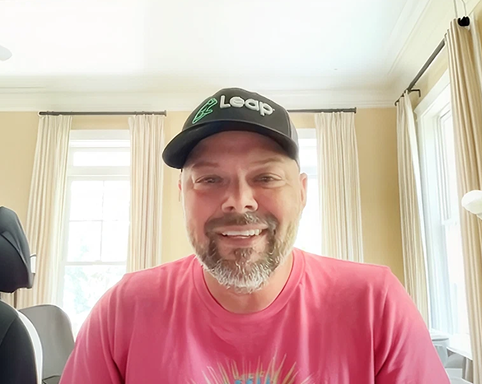
I would highly recommend them to anyone looking to scale quickly or needing support in engineering, product, or QA.
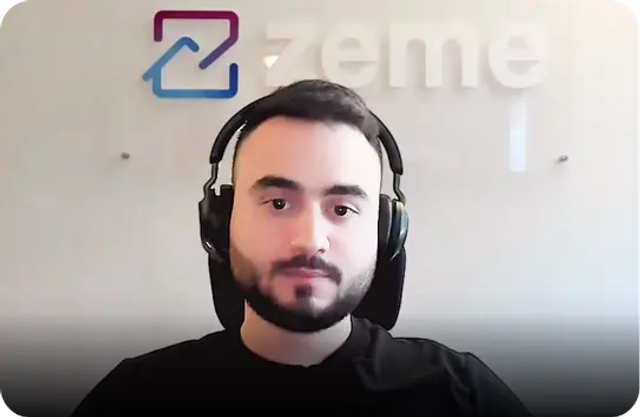
We don't just call them Logiciel; they're part of the Zeme team. Within the first week they were contributing meaningfully to our codebase.

The Logiciel team worked tirelessly and built everything we needed, with security and best practices across our entire platform. It allowed us to become #1 in our industry, and we couldn't have done it without them.

It can help engineers retrieve technical knowledge, assist support teams, guide users through SaaS features, and surface context within internal tools. The useful scope depends on available sources and the user’s permissions.
Yes. We can integrate copilot interfaces and services into existing product flows rather than requiring a separate application.
Tenant and role context should be enforced at the data-access and application layers, not left to prompts alone. Testing should include attempts to retrieve information from another account.
A copilot can prepare suggestions or reviewed changes, but production modifications should follow your existing authorization, testing, and deployment controls.
Knowledge ingestion, version metadata, source freshness checks, and regression tests help align responses with the relevant product release.
Integration is possible where supported interfaces and access permissions exist. We prioritize sources that are reliable, current, and relevant to the task.
Review task accuracy, source traceability, tenant isolation, latency, operating cost, failure handling, and fit with existing delivery processes.
Show us the workflow where users or engineers lose time finding the right answer. We’ll help design a copilot that fits your product architecture and release process.