
Zeme · Real Estate
Real Estate
Logiciel helps enterprises monitor, measure and improve AI systems after launch. From AI observability and ML observability to LLM monitoring, drift detection, cost visibility, quality evaluation and managed operations, we build monitoring foundations that make artificial intelligence systems easier to trust, debug and scale.
A clear AI observability roadmap tied to production risks and business priorities.
Monitoring for AI quality, latency, errors, cost, usage and reliability.
ML observability for drift, model degradation, data quality and prediction performance.
LLM observability for prompts, responses, retrieval quality, token usage and hallucination risk.
Dashboards that engineering, product, governance and business teams can trust.
Alerts, runbooks and incident workflows for production AI systems.
A practical AI monitoring operating model your teams can maintain after launch.
A standing team of AI engineers, MLOps specialists, cloud experts and SRE engineers embedded into your AI reliability roadmap.
Senior AI observability consultants who strengthen your internal product, data, platform, MLOps or engineering teams.
Fixed-scope engagements with defined monitoring goals, reliability targets, dashboards and success baselines agreed up front.
Detailed assessment of AI systems, ML models, LLM applications, monitoring gaps, governance needs and production risks.
Monitoring for feature drift, data drift, concept drift, prediction quality, model degradation, latency, errors and retraining triggers.
Prompt tracking, response quality checks, token usage, retrieval monitoring, hallucination checks, latency analysis and cost reporting.
Benchmark datasets, regression tests, output scoring, feedback loops, evaluation dashboards and release quality gates.
Dashboards for AI usage, LLM fees, inference cost, latency, throughput, quality, reliability and product-level adoption.
Audit trails, access logs, human review tracking, alert routing, runbooks, escalation paths and compliance reporting.
Ongoing monitoring, incident response, alert tuning, model performance reviews, cost optimisation and continuous improvement.
How we structure monitoring ownership, alerting, incident response, governance reviews, cost visibility and continuous improvement across AI systems.
A practical approach to ranking AI systems by business criticality, model risk, data dependency, governance exposure and production complexity.
We assess AI applications, ML models, LLM workflows, data pipelines, infrastructure, governance controls and current monitoring gaps.
We identify which signals matter across quality, latency, cost, drift, reliability, security, usage and business impact.
We implement dashboards, logs, traces, alerts, drift checks, evaluation workflows, cost reporting and model monitoring pipelines.
We define alert routing, runbooks, ownership, audit trails, review workflows and compliance-aligned monitoring practices.
We hand over a repeatable observability practice, including KPIs, dashboards, review cadences, incident workflows and improvement cycles.
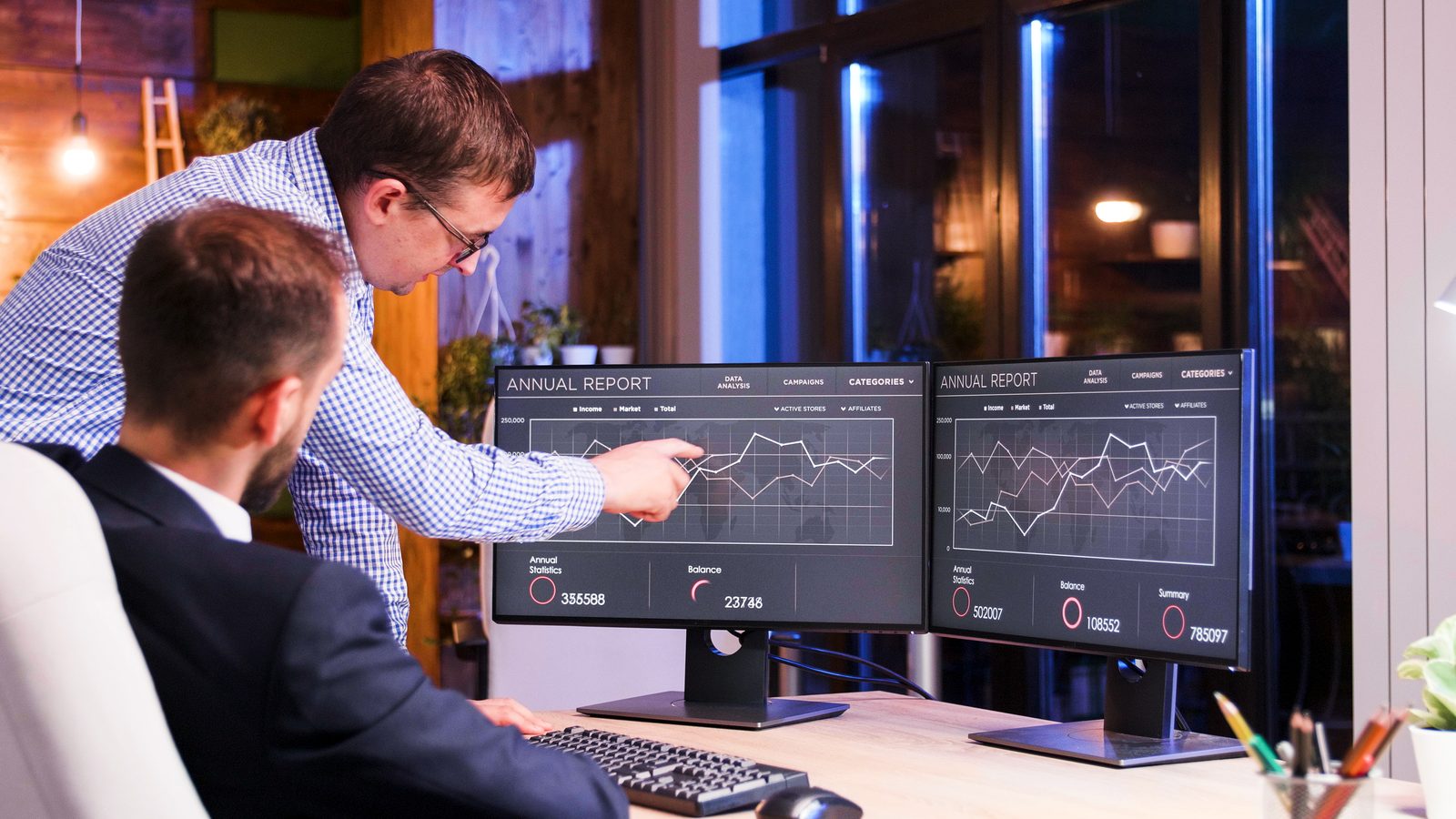

Teams that needed to ship fast, and did. Here's what partnering with Logiciel felt like from the inside.

I would highly recommend them to anyone looking to scale quickly or needing support in engineering, product, or QA.
We don't just call them Logiciel; they're part of the Zeme team. Within the first week they were contributing meaningfully to our codebase.

The Logiciel team worked tirelessly and built everything we needed, with security and best practices across our entire platform. It allowed us to become #1 in our industry, and we couldn't have done it without them.

AI Observability & Monitoring Services include AI observability, ML observability, LLM monitoring, drift detection, cost tracking, quality evaluation, performance dashboards, governance reporting, alerting and managed operations.
AI observability is the practice of monitoring how artificial intelligence systems behave in production, including output quality, latency, cost, errors, data drift, model performance, user feedback and business impact.
ML observability focuses on machine learning model behaviour, including drift, features, predictions and model degradation. AI observability is broader and can include LLMs, agents, RAG systems, prompts, retrieval quality and workflow performance.
Enterprises need AI monitoring services because AI systems can change over time as data, models, prompts, users and business workflows evolve. Monitoring helps detect issues before they affect users or decisions.
Yes. Logiciel can assess and monitor existing AI systems, including ML models, LLM applications, RAG pipelines, copilots, agents, AI product features and enterprise workflow automations.
Yes. We offer milestone-based pricing once scope, AI systems, KPIs, monitoring needs, governance requirements and delivery milestones are agreed.
You retain ownership of all dashboards, monitoring rules, alerts, evaluation assets, governance workflows, documentation, runbooks, integrations and implementation materials.
Yes. We run managed operations with observability, incident response, alert tuning, model performance reviews, cost tracking, reliability support and continuous improvement.
Ready to turn AI Observability & Monitoring Services into a production advantage? Partner with Logiciel to monitor AI systems, improve reliability, reduce risk and keep enterprise AI performance visible as usage scales.