
Zeme · Real Estate
Real Estate
AI personalization services for SaaS products. Personalize features, content, onboarding, recommendations, and user journeys using product and behavioral data.
We combine machine learning, product analytics, data engineering, and software development to personalize SaaS experiences around real user behavior and business outcomes.
using product behavior, account context, role, lifecycle stage, preferences, and interaction signals where available
across features, content, recommendations, workflows, onboarding, and next-best actions
across activation, adoption, engagement, expansion, retention, and re-engagement touchpoints
that accounts for roles, permissions, entitlements, plans, account rules, and other SaaS constraints
using onboarding inputs, account context, role, product metadata, popularity, and session behavior when history is limited
with evaluation across relevance, engagement, adoption, coverage, diversity, and product-specific outcomes
as users, accounts, products, events, features, and personalization use cases grow
A cross-functional team works with product, data, and engineering teams across discovery, data preparation, model development, integration, experimentation, and rollout.
Machine learning engineers, data engineers, and product specialists strengthen your team across personalization architecture, product data, models, and implementation.
A focused initiative built around a defined use case such as onboarding, feature discovery, content personalization, next-best actions, or expansion.
We identify user journeys, decision points, available signals, product friction, business rules, account constraints, and success criteria.
We prepare product events, user activity, account data, subscription information, content metadata, profiles, and interaction data needed for personalization.
We design and evaluate recommendation, ranking, propensity, similarity, segmentation, contextual, or hybrid approaches based on the use case.
We structure roles, account context, feature metadata, lifecycle stages, usage patterns, and other signals that help the system understand relevance.
We incorporate roles, account boundaries, subscription plans, feature entitlements, eligibility, exclusions, and other product constraints.
We measure relevance, engagement, adoption, coverage, diversity, conversion behavior, and other defined outcomes while testing personalization strategies.
We integrate personalization into SaaS applications and monitor data freshness, model quality, latency, drift, usage, and system performance.
A practical framework for ranking opportunities by user value, behavioral signal strength, data readiness, product impact, implementation effort, and measurement potential.
A structured way to decide when personalization should use fixed rules, user segments, machine learning, recommendation models, or a hybrid approach.
A framework for balancing relevance, diversity, freshness, permissions, product rules, latency, and measurable user response.
We identify where personalization should appear, who it serves, what product decisions it should influence, and which user or business outcomes should improve.
We assess product events, user behavior, account information, subscription data, content metadata, identifiers, event tracking, and data gaps.
We define data pipelines, decision logic, models, ranking, product rules, APIs, evaluation criteria, experimentation, and deployment requirements.
We develop the personalization capability, connect required SaaS systems, test representative user scenarios, and evaluate quality against defined criteria.
We monitor production behavior, run controlled experiments, review personalization performance, and refine models using real product and user signals.


Teams that needed to ship fast, and did. Here's what partnering with Logiciel felt like from the inside.
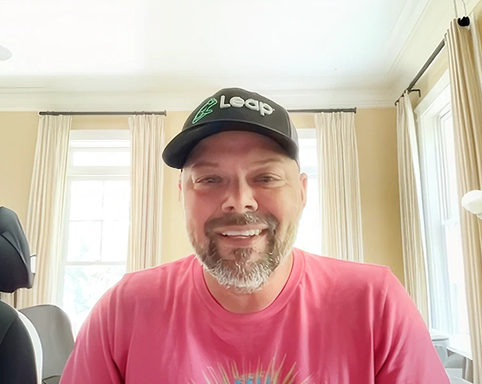
I would highly recommend them to anyone looking to scale quickly or needing support in engineering, product, or QA.
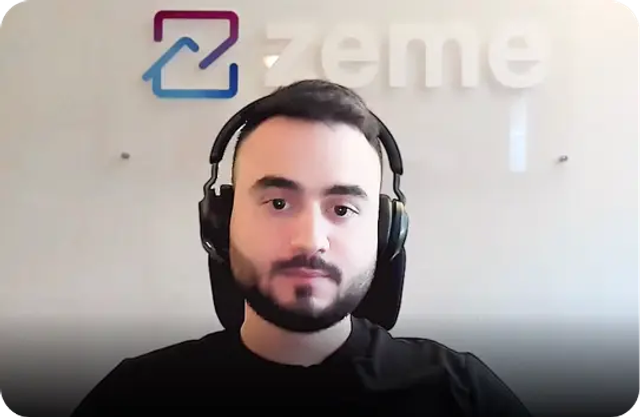
We don't just call them Logiciel; they're part of the Zeme team. Within the first week they were contributing meaningfully to our codebase.

The Logiciel team worked tirelessly and built everything we needed, with security and best practices across our entire platform. It allowed us to become #1 in our industry, and we couldn't have done it without them.

AI personalization services for SaaS use product, behavioral, account, and contextual data to adapt features, content, recommendations, onboarding, and product journeys for individual users or accounts.
Traditional segmentation groups users using shared attributes. AI personalization can use individual product behavior, context, lifecycle stage, and account information to adapt experiences more dynamically.
Common use cases include onboarding, feature discovery, next-best actions, content recommendations, dashboards, workflows, upgrade suggestions, learning resources, and product navigation.
Useful signals can include product events, feature usage, user roles, account attributes, subscription plans, content interactions, searches, previous actions, and session context.
Yes. Cold-start strategies can use onboarding information, account context, user role, product metadata, popularity, and session behavior until enough individual history is available.
Yes. Personalization logic can incorporate account boundaries, user roles, subscription plans, feature entitlements, eligibility rules, and other SaaS-specific constraints.
Measurement can include feature adoption, engagement, workflow completion, recommendation relevance, conversion behavior, expansion signals, coverage, diversity, and other product-specific outcomes.
Use product behavior, account context, and user signals to personalize features, content, workflows, and next steps around how each customer actually uses the product.