
Zeme · Real Estate
Real Estate
Logiciel provides AI product development services for companies building intelligent applications, adding AI to existing products and automating complex workflows. From use-case discovery and data readiness to AI application development, model integration, evaluation, cloud engineering and managed operations, we help teams move confidently from experimentation to measurable product outcomes.
Each engagement is designed to create an AI product your internal team can understand, operate and continuously improve.
aligned with business priorities and measurable user outcomes
quality thresholds and success criteria
AI, data, software and cloud engineers matched to your environment
data pipelines and retrieval workflows
with approved business systems, applications and data sources
automated testing and human-review controls where required
cost visibility, documentation and an operating model your team can maintain
User research, workflow analysis, feasibility assessment, product definition and measurable success criteria for valuable AI opportunities.
Applications that generate approved content, summaries, reports, recommendations and responses within defined product and business rules.
Assistants, copilots, semantic search and knowledge-retrieval experiences that help users find information and complete defined tasks.
Document extraction, classification, comparison, validation, summarization and integration with operational workflows.
Data pipelines, transformations, knowledge systems and retrieval-augmented generation connecting AI products with approved information.
Controlled agents, recommendations, natural-language analytics and next-best-action capabilities with permissions and approval controls.
Quality evaluation, security, monitoring, cost optimization, incident response and continuous product and model improvement.
A focused engagement identifying the right use case, assessing data readiness and producing a testable product concept with measurable outcomes.
A cross-functional team working continuously across product, application, data, AI, testing, integration and cloud workstreams.
A defined engagement organized around agreed milestones and measurable outcomes for a new product, AI feature or production-readiness initiative.
Patterns from our product, AI, data and software engineering teams that help companies move from promising experiments to reliable production applications.
How we evaluate user value, workflow fit, data quality, technical feasibility, operating cost and implementation risk before product development begins.
A practical approach to measuring accuracy, relevance, consistency, latency, safety, cost and failure handling across representative scenarios.
We assess the user problem, business workflow and product opportunity and define measurable outcomes such as accuracy, adoption, completion rate or reduced manual effort.
We evaluate the quality, ownership, permissions and accessibility of required data and build retrieval systems or pipelines where needed.
We design the user experience, application architecture, integrations, models, APIs and review paths and build them through visible sprint cycles.
We test AI behaviour across users, prompts, data conditions and failures while strengthening access controls, monitoring, safeguards and cost visibility.
We introduce capabilities through pilot users or phased releases and provide evaluation practices, documentation and runbooks for continuous improvement.
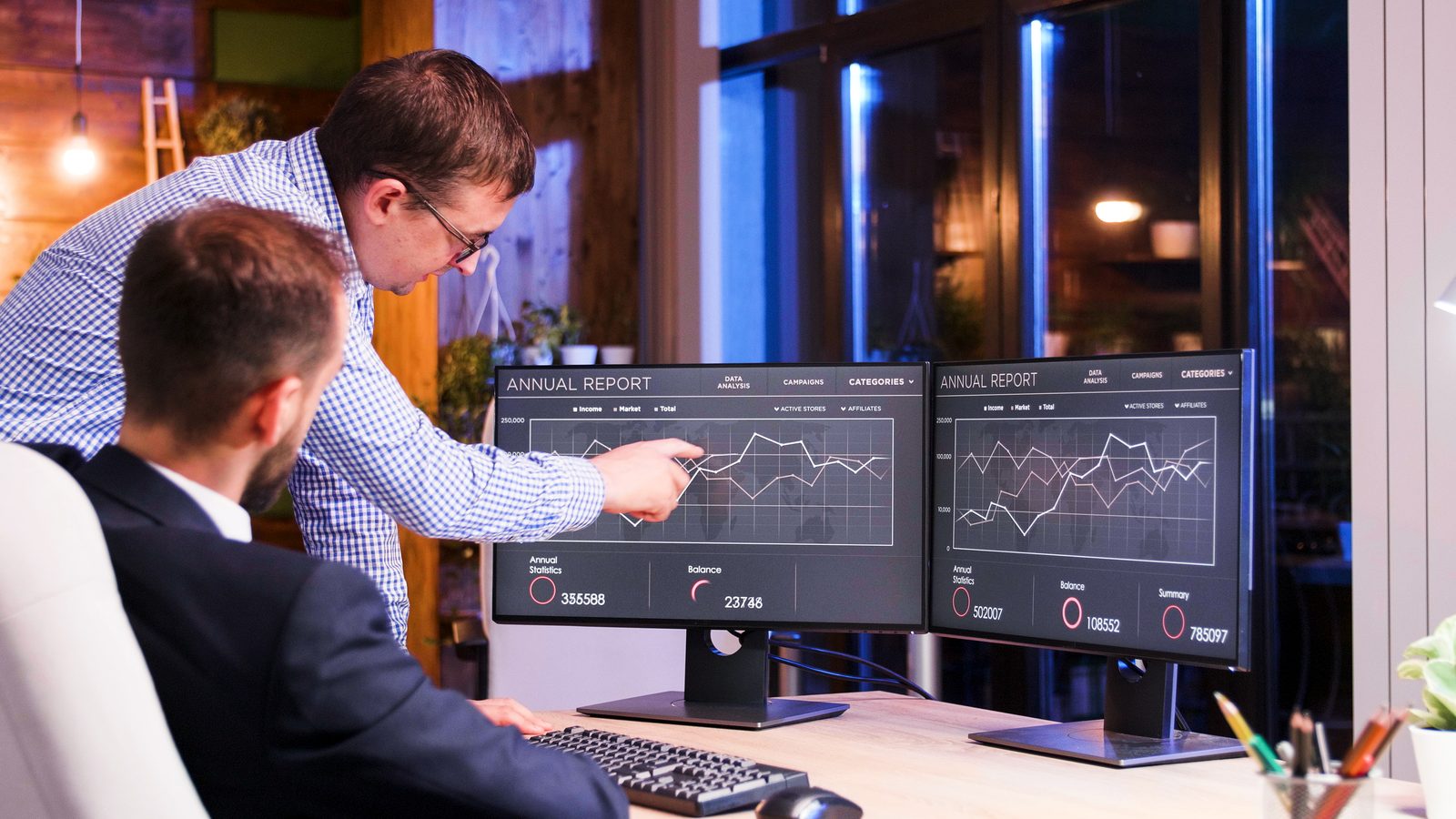

Teams that needed to ship fast, and did. Here's what partnering with Logiciel felt like from the inside.

I would highly recommend them to anyone looking to scale quickly or needing support in engineering, product, or QA.
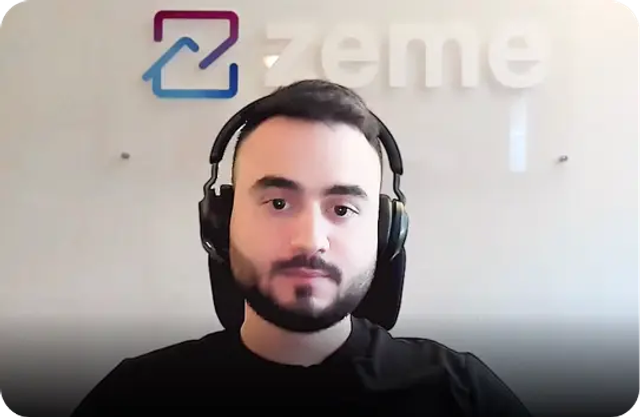
We don't just call them Logiciel; they're part of the Zeme team. Within the first week they were contributing meaningfully to our codebase.

The Logiciel team worked tirelessly and built everything we needed, with security and best practices across our entire platform. It allowed us to become #1 in our industry, and we couldn't have done it without them.

AI product development services can include use-case discovery, data engineering, application development, model integration, retrieval systems, evaluation, security, cloud infrastructure and managed operations.
AI product development is the process of designing, building, testing, launching and continuously improving software products that use AI to deliver a defined user or business outcome.
A prototype demonstrates whether an idea may work. A production AI application also requires reliable data, user permissions, evaluation, security, monitoring, integrations and failure-handling processes.
Yes. Logiciel can assess existing applications, data and workflows and introduce capabilities such as intelligent search, assistants, document processing and workflow automation.
No. AI should be used where interpretation, generation, prediction or assistance creates clear value. Predictable workflows are often better handled through conventional software.
Logiciel defines representative test cases and quality criteria for accuracy, relevance, consistency, latency, cost and failure handling.
Your organization retains ownership of the source code, application architecture, data pipelines, automated tests, documentation and other agreed deliverables.
Yes. Ongoing support can include feature delivery, production monitoring, AI evaluation, model updates, incident response, cost optimization and continuous product improvement.
Move beyond disconnected experiments with a senior AI product engineering team that can take your idea from discovery through production.