
Zeme · Real Estate
Real Estate
AI test automation services for hospitality. Improve UI, API, and regression coverage with reliable CI/CD testing, reviewed AI assistance, and Logiciel.
Our AI test automation services combine practical QA engineering with reviewed AI assistance for hospitality product and guest-service teams.
prioritizing booking inventory, rates, cancellations, refunds, loyalty rules, and guest-service handoffs across properties
using requirements, code changes, defect patterns, and workflow context to propose cases that engineers verify and refine
building stable selectors, reusable fixtures, deterministic assertions, and modular tests across supported interfaces
placing the right smoke, API, integration, and end-to-end suites into pull requests and release pipelines
using property-specific rate, availability, currency, loyalty, and reservation fixtures to validate high-impact release paths
separating application defects from timing, data, infrastructure, and automation failures with actionable evidence
keeping engineers responsible for generated test logic, acceptance criteria, sensitive data, and consequential release decisions
QA automation engineers, SDETs, and test leads work across coverage, frameworks, AI-assisted design, API and UI tests, CI/CD, and release quality.
Automation specialists join your delivery squads to strengthen existing tests, reduce flakiness, improve coverage, and shorten feedback loops.
A focused engagement stabilizes a brittle suite, automates a critical workflow, introduces AI-assisted design, or improves release pipeline quality.
We identify release risks across booking engines, guest apps, loyalty, payments, property operations, and hospitality integrations, prioritize critical journeys, and define the assertions that prove each workflow works.
We use AI to suggest cases from requirements, defects, and change context, then review coverage, assumptions, and expected outcomes with engineers.
We build reusable UI, API, integration, and end-to-end tests with stable selectors, deterministic checks, and maintainable frameworks.
We create controlled reservation, inventory, rate, loyalty, and property fixtures that cover dates and policy variations without live bookings.
We make booking, payment, loyalty, and reservation handoffs visible release gates before seasonal or high-demand launches.
We identify timing, selector, data, concurrency, and environment problems and fix their causes rather than hiding failures behind retries.
We report coverage, defects, failure patterns, test stability, execution time, and review evidence for AI-assisted changes.
A framework that links business-critical workflows, permissions, integrations, failure modes, and recent changes to appropriate automated checks.
A method for assessing flakiness, defect detection, runtime, triage effort, and trust in CI/CD results instead of counting scripts alone.
A checklist for validating generated scenarios, assertions, test data, sensitive information, false positives, and maintainability before merging.
We review user journeys, architecture, defects, test suites, release cadence, environments, and the workflows that cannot fail unnoticed.
We choose test layers, tooling, fixtures, AI-assisted design boundaries, CI/CD gates, and measurable reliability targets.
We implement reviewed scenarios, reusable automation, API checks, data controls, mocks, and integrations with the delivery pipeline.
We run representative failures and regressions, investigate flakiness, confirm assertions, and check that pipeline results are actionable.
We review failures, update tests with releases, track defect escape and suite stability, and use AI suggestions only after engineering validation.


Teams that needed to ship fast, and did. Here's what partnering with Logiciel felt like from the inside.
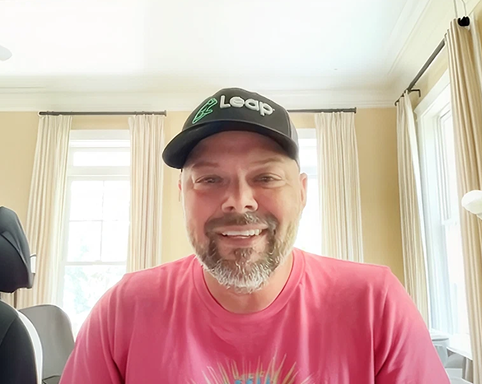
I would highly recommend them to anyone looking to scale quickly or needing support in engineering, product, or QA.
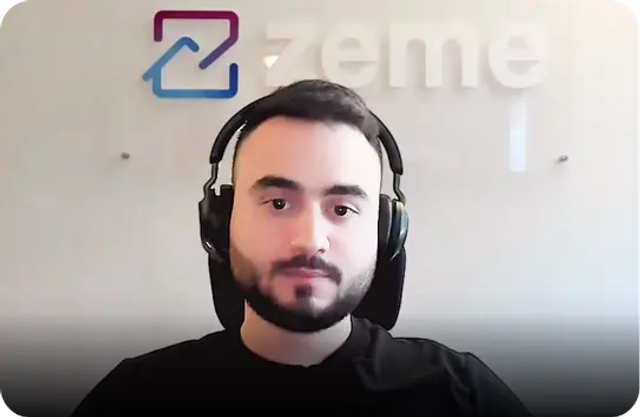
We don't just call them Logiciel; they're part of the Zeme team. Within the first week they were contributing meaningfully to our codebase.

The Logiciel team worked tirelessly and built everything we needed, with security and best practices across our entire platform. It allowed us to become #1 in our industry, and we couldn't have done it without them.

AI test automation services combine conventional automated software testing with AI-assisted tasks such as scenario discovery, test drafting, maintenance suggestions, and failure analysis. Reliable execution still depends on engineered frameworks and reviewed assertions.
Traditional automation runs explicit scripted checks. AI can help identify scenarios or suggest changes, but it does not remove the need for deterministic expected outcomes, stable test data, and engineering ownership.
Yes. Engineers should verify business logic, assertions, data access, false positives, and maintainability before AI-generated tests become release gates.
Yes. We can work with existing repositories, test frameworks, issue tracking, and CI/CD systems where appropriate. Tool selection depends on the application stack, existing investment, and test reliability needs.
We investigate unstable selectors, asynchronous behavior, shared test data, environment differences, timing, and external dependencies. Fixing the cause matters more than repeatedly rerunning failing tests.
Yes. Parameterized test data and property-specific fixtures can cover variations in rates, policies, currencies, availability, and integrations while keeping common workflows reusable.
Useful measures include critical-path coverage, defect detection, escaped defects, suite stability, execution time, triage effort, and the speed of trustworthy release feedback, not just the number of generated tests.
Show us your product, release process, or unstable suite. We’ll help prioritize coverage, review automation gaps, and define a practical path to reliable CI/CD feedback.