
Zeme · Real Estate
Real Estate
Logiciel helps healthcare organizations design, build and operate EHR data unification systems that connect clinical, administrative and operational data across healthcare platforms. From data unification for healthcare and EHR integration to patient data pipelines, provider data models, governance, analytics and managed operations, we help teams create reliable data foundations for care coordination, reporting, automation and AI-first healthcare workflows.
We build healthcare data unification systems that improve trust, usability and operational visibility.
to clinical, operational and business priorities
for healthcare across EHRs, CRMs, billing platforms, scheduling tools and patient engagement systems
provider, appointment, claims, care-plan and operational data models
for ingestion, transformation, validation, matching and downstream delivery
for access, lineage, auditability, retention and sensitive healthcare data handling
for data quality, completeness, duplication, freshness and system integration health
Current-state assessment, source system review, data domain prioritization, integration planning and phased implementation roadmap.
Unified data architecture for patient, provider, appointment, claims, care coordination, billing and operational data.
Secure ingestion, transformation, normalization, enrichment, validation and delivery of patient data across healthcare systems.
Unified models for primary care doctor records, health care provider data, care teams, home care services near me directories and referral networks.
Data foundations for home health care agencies, home care workflows, primary care operations, visit data and patient follow-up processes.
Access controls, audit logs, lineage, data classification, data quality rules, duplicate detection and retention metadata.
Ongoing monitoring, issue resolution, data quality review, integration support, governance updates and continuous improvement.
A standing team of healthcare data engineers, integration specialists, cloud architects and analytics engineers embedded into your data unification roadmap.
Senior data engineers and healthcare integration consultants who strengthen your internal data, analytics, product, compliance or engineering teams.
Fixed-scope engagements with defined data domains, integration milestones, governance controls and success baselines agreed up front.
Patterns from our healthcare, data and cloud engineering teams that help organizations turn fragmented EHR and operational data into trusted intelligence.
How we structure data ownership, domain models, validation rules, identity resolution, governance, incident response and continuous improvement.
A practical approach to ranking data unification priorities by patient impact, system complexity, data quality, compliance exposure and operational value.
We assess EHR systems, patient records, provider data, operational workflows, data pipelines, governance controls and reporting priorities.
We identify critical healthcare data domains, source systems, data owners, quality issues, access paths, duplicates and downstream dependencies.
We build unified data models, pipelines, identity resolution workflows, validation rules, dashboards and secure integration patterns.
We harden the data foundation with access controls, audit trails, lineage, alerts, data quality checks, runbooks and compliance reporting.
We hand over a repeatable EHR data unification practice, including ownership, KPIs, review cadences, documentation, runbooks and improvement workflows.

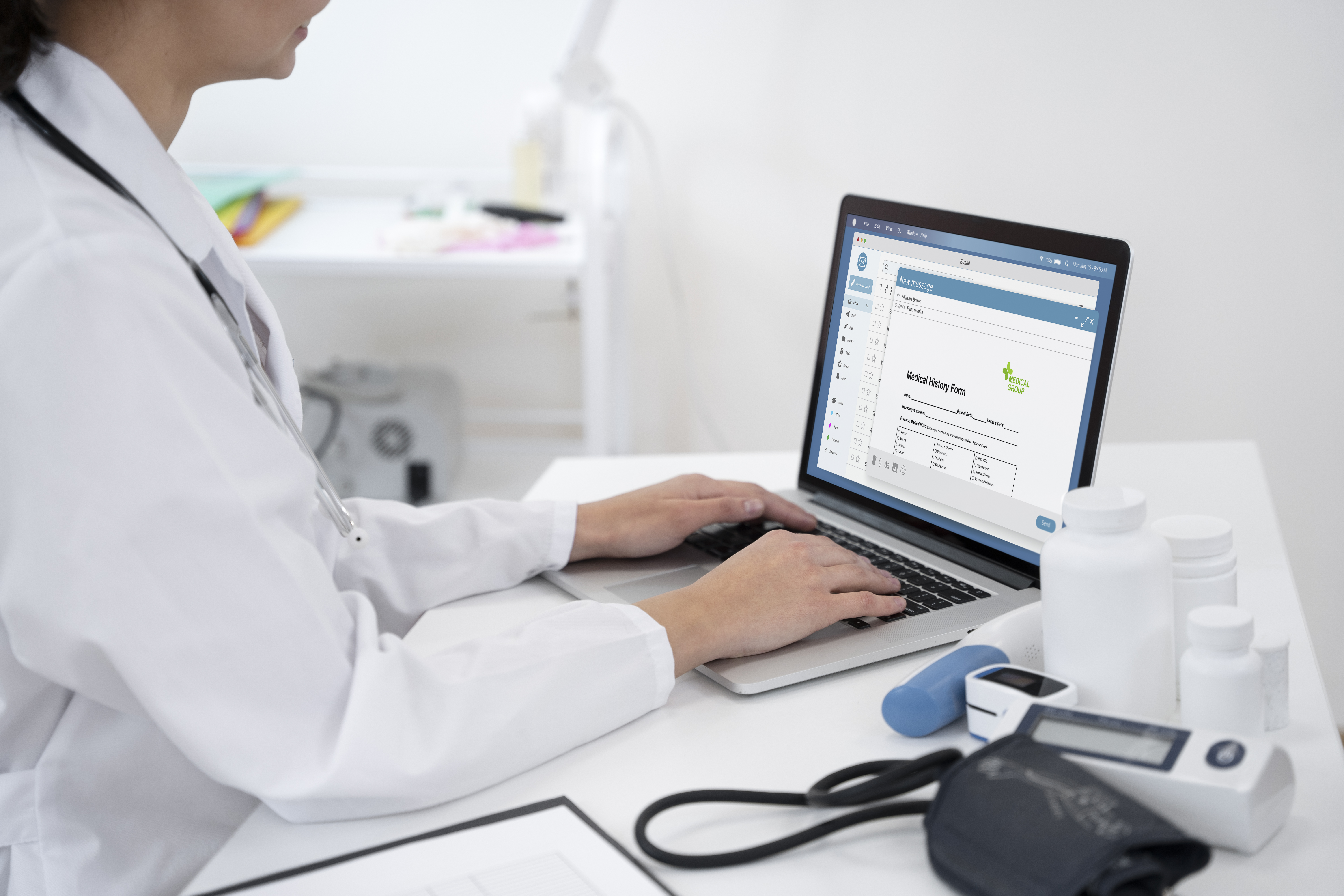
Teams that needed to ship fast, and did. Here's what partnering with Logiciel felt like from the inside.
I would highly recommend them to anyone looking to scale quickly or needing support in engineering, product, or QA.
We don't just call them Logiciel; they're part of the Zeme team. Within the first week they were contributing meaningfully to our codebase.
The Logiciel team worked tirelessly and built everything we needed, with security and best practices across our entire platform. It allowed us to become #1 in our industry, and we couldn't have done it without them.

EHR Data Unification for Healthcare includes EHR integration, healthcare data modelling, patient and provider identity resolution, data pipelines, validation, governance, data quality monitoring, analytics enablement and managed data operations.
Data unification for healthcare brings data from EHRs, scheduling systems, billing platforms, claims tools, patient portals and operational systems into a trusted foundation that teams can use for reporting, workflows, automation and AI.
EHR data unification helps home health care agencies connect patient records, caregiver schedules, visit notes, care plans, referrals, claims and follow-up workflows so teams can manage care operations with better visibility.
Yes. EHR data unification can support primary care operations by connecting appointments, referrals, prescriptions, provider data, patient history, follow-ups and reporting workflows across systems.
Unified data helps health care services teams improve reporting, reduce duplicate records, track patient journeys, coordinate workflows, monitor quality and build more reliable analytics and automation systems.
We protect patient data through access controls, encryption, audit logs, lineage, retention rules, data minimization, monitoring and compliance-aligned healthcare data engineering practices.
You retain ownership of all unified data models, pipelines, integrations, matching rules, dashboards, governance assets, documentation, runbooks and implementation materials.
Yes. We run managed operations with monitoring, integration support, data quality review, issue resolution, governance updates, documentation maintenance and continuous improvement.
Ready to turn EHR Data Unification for Healthcare into a trusted foundation for care coordination, analytics and AI-first healthcare operations? Partner with Logiciel to unify patient, provider and operational data with secure, production-grade engineering.