
Zeme · Real Estate
Real Estate
Logiciel helps enterprises design, build and operate event-driven data architecture that connects applications, platforms, analytics systems and AI workflows through real-time events. From streaming pipelines and event processing to cloud cost optimization services, cloud cost management, monitoring, governance and managed operations, we build data systems that are responsive, reliable and cost-aware.
We build event-driven systems that improve speed, reliability and cloud efficiency.
to business priorities
designed for scale
that connect applications, APIs, databases and cloud platforms
built into streaming and event-processing workloads
for storage, compute, messaging and processing layers
across event flows
Architecture for events, producers, consumers, topics, queues, schemas, event buses and downstream data products.
Streaming pipelines for transactions, product activity, operational signals, system events, customer behaviour and IoT data.
Cloud cost optimization services for event-driven systems, including compute sizing, storage lifecycle, stream retention and workload efficiency.
Cloud cost management practices that track event processing cost, pipeline usage, workload growth and service-level spend.
Cloud optimization services for serverless functions, containers, managed streaming services, queues, data platforms and analytics workloads.
Monitoring for throughput, lag, failures, retries, schema changes, cloud cost trends and downstream data impact.
Ongoing monitoring, incident response, cloud cost reduction, performance tuning, governance reviews and continuous improvement.
A standing team of data engineers, cloud architects, platform specialists and DevOps experts embedded into your event architecture roadmap.
Senior event-driven architecture consultants and cloud optimization engineers who strengthen your internal platform, data or engineering teams.
Fixed-scope engagements with defined event architecture outcomes, cost targets and delivery milestones agreed up front.
Patterns from our data and cloud engineering teams that help enterprises build responsive data systems without losing cost control.
How we structure event ownership, schema governance, cloud cost management, reliability reviews and continuous improvement across teams.
A practical approach to ranking event workloads by business criticality, latency needs, throughput, cost growth and downstream dependency.
We assess event sources, current pipelines, cloud platforms, streaming tools, cost patterns, governance controls and business priorities.
We map how events are produced, processed, consumed and stored, then identify latency, reliability and cloud cost optimization opportunities.
We build event models, streaming pipelines, schemas, processing workflows, cloud infrastructure and secure delivery patterns.
We harden the architecture with monitoring, alerts, schema controls, cost dashboards, access policies, runbooks and recovery workflows.
We hand over a repeatable event-driven data practice, including ownership, KPIs, governance reviews, cloud cost reviews and improvement cadences.
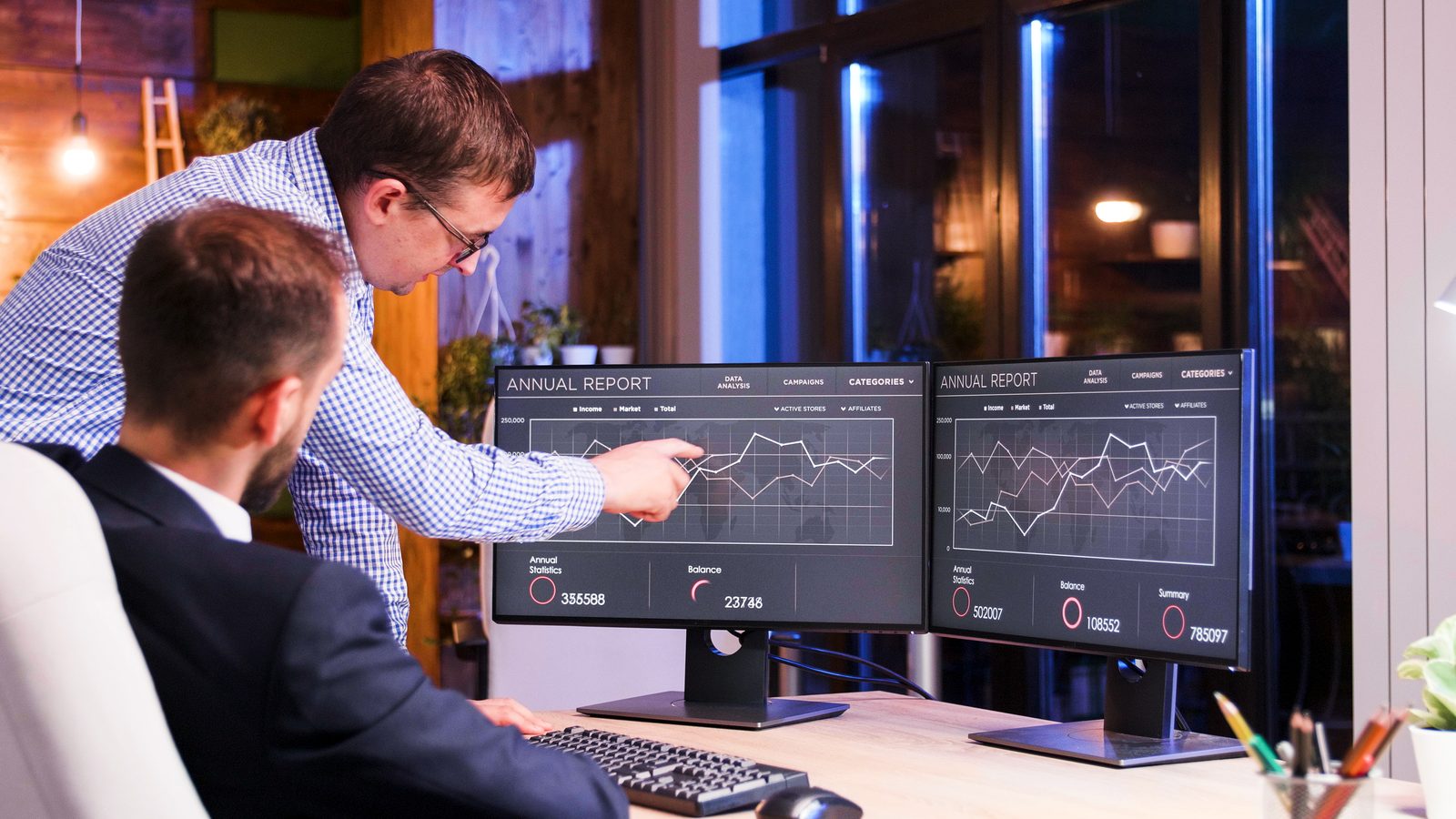
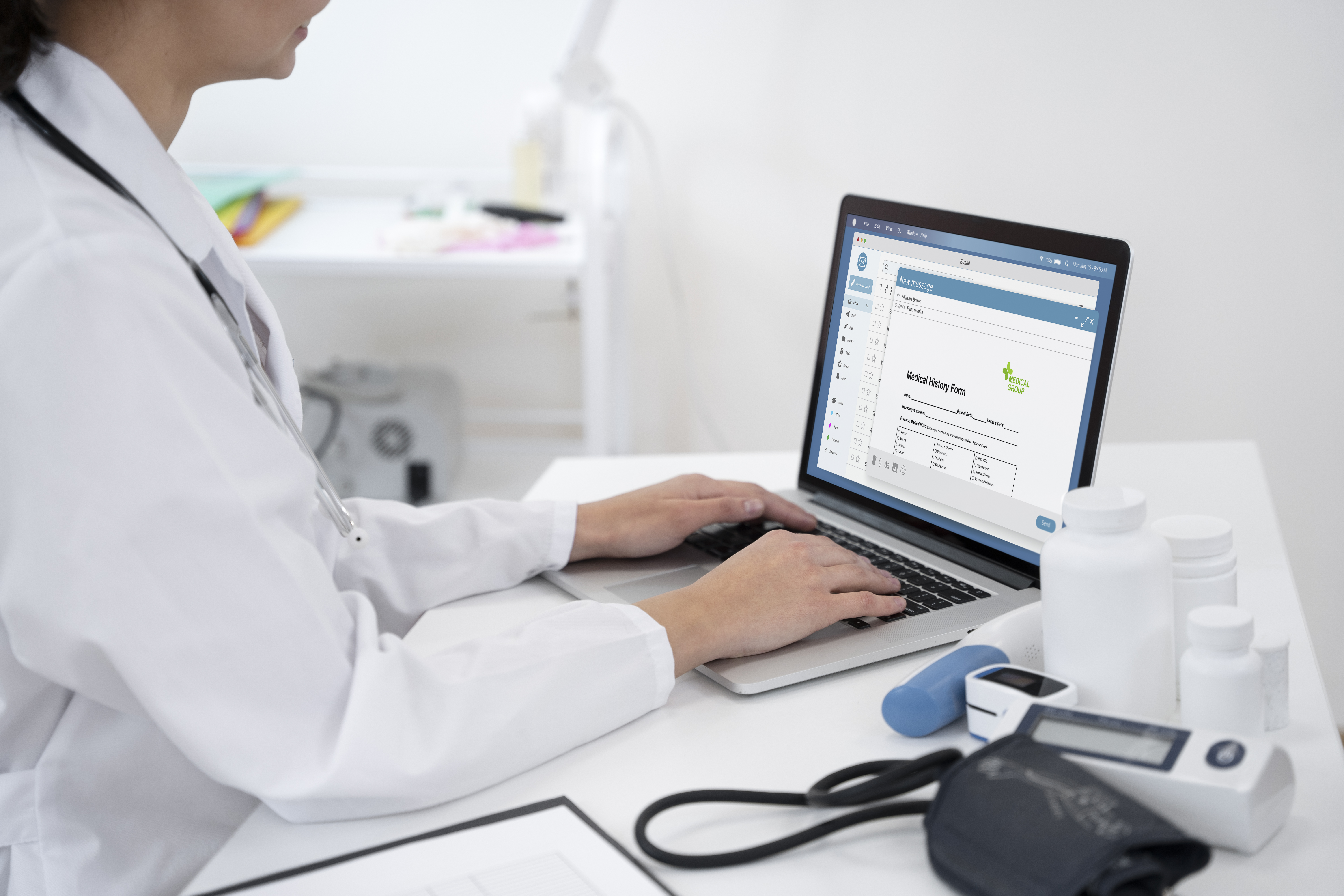
Teams that needed to ship fast, and did. Here's what partnering with Logiciel felt like from the inside.
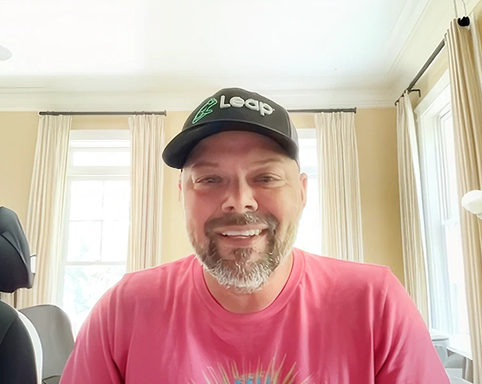
I would highly recommend them to anyone looking to scale quickly or needing support in engineering, product, or QA.
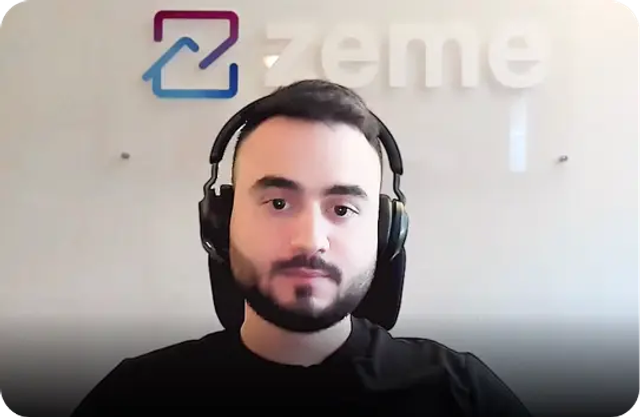
We don't just call them Logiciel; they're part of the Zeme team. Within the first week they were contributing meaningfully to our codebase.
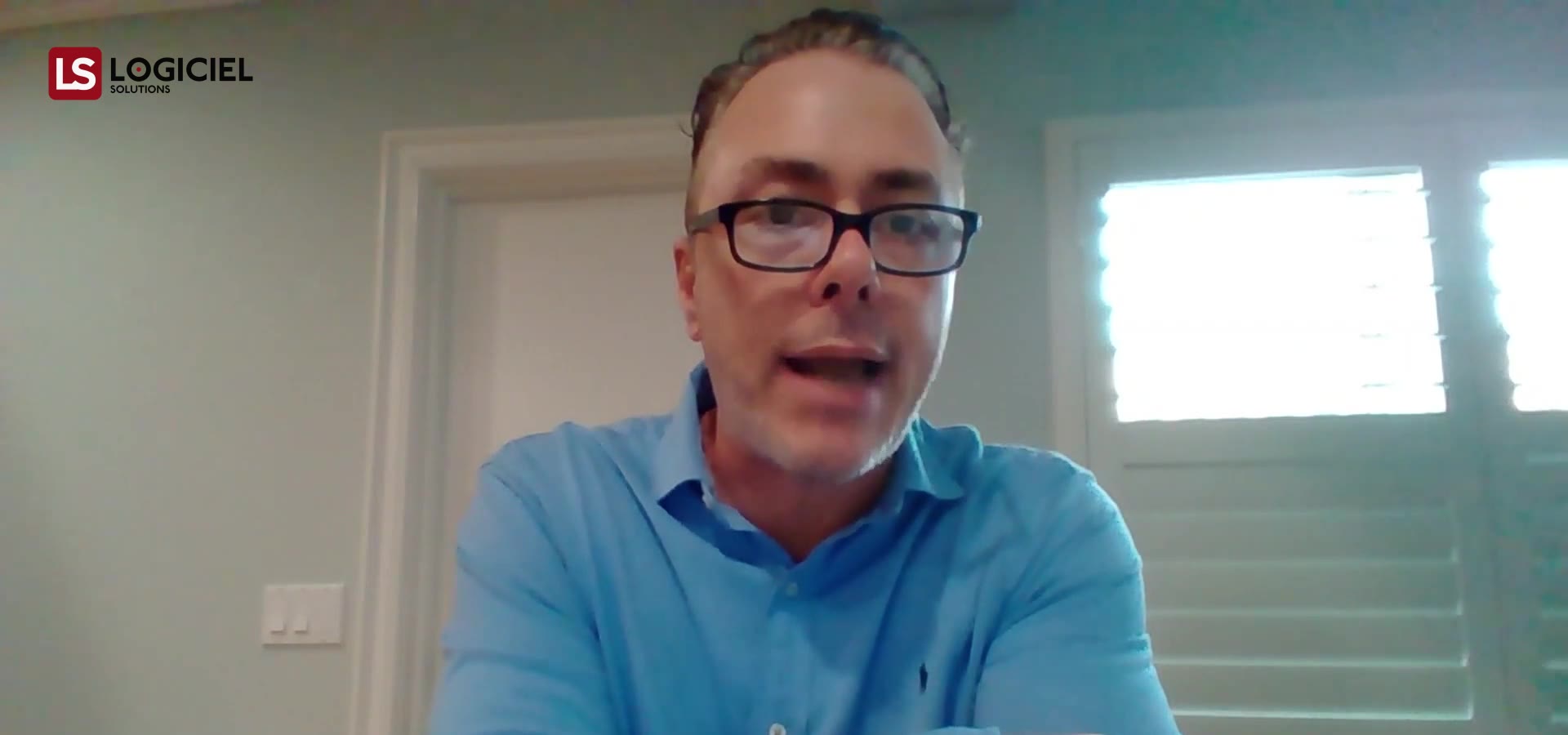
The Logiciel team worked tirelessly and built everything we needed, with security and best practices across our entire platform. It allowed us to become #1 in our industry, and we couldn't have done it without them.
Event-Driven Data Architecture includes event modelling, streaming pipelines, event processing, schema governance, producer-consumer contracts, observability, cloud cost management, cloud optimization services and managed data operations.
Enterprises need event-driven data architecture when batch pipelines are too slow for operational decisions, real-time analytics, automation, customer experience or AI workflows that depend on fresh business signals.
Cloud cost optimization helps control spend across streaming services, storage, compute, messaging, observability and downstream analytics workloads. It prevents real-time architecture from becoming expensive as event volume grows.
Yes. Logiciel supports Google Cloud cost management along with AWS and Azure cost visibility, workload review, usage reporting, cost dashboards and cloud cost optimization solutions for event-driven systems.
Common cloud cost management solutions include workload right-sizing, retention tuning, autoscaling, storage lifecycle policies, stream partition optimization, serverless cost review, monitoring dashboards and cost allocation by team or product.
Most engagements produce a diagnostic, roadmap and initial event-driven foundation within 4-8 weeks, while larger enterprise implementations run across phased delivery waves over several months.
You retain ownership of all event models, schemas, pipelines, integrations, dashboards, cloud cost reports, governance assets, runbooks and implementation materials.
Yes. We run managed operations with monitoring, incident response, cloud cost monitoring, reliability reviews, performance tuning, governance updates and continuous improvement.
Ready to turn Event-Driven Data Architecture into a real-time foundation for analytics, automation and AI? Partner with Logiciel to build event-driven systems that move fast, stay reliable and keep cloud costs under control.