
Zeme · Real Estate
Real Estate
Logiciel provides frontend development services for SaaS and technology companies building customer-facing platforms, administrative applications and complex digital products. From frontend architecture and React development to performance optimization, design systems, automated testing and backend integration, we help teams create responsive experiences that are easier to scale and maintain.
Each engagement strengthens frontend delivery while keeping your internal product and engineering teams in control.
designed for continued product growth
across agreed devices, browsers and screen sizes
with APIs, identity platforms, billing systems and data services
performance budgets and observability across critical workflows
ownership guidance and flexible capacity as the roadmap changes
Application structure, component boundaries, state management, data flows and engineering standards designed for long-term scalability.
Responsive, component-based React applications supporting customer portals, dashboards, administrative tools and internal platforms.
Tenant-aware interfaces supporting account configuration, role-based permissions, branding and customer data boundaries.
Responsive dashboards, tables, filters, reports and visualization interfaces for complex product and operational data.
Improvements to loading, rendering, bundle size, caching, code splitting, data access and runtime responsiveness.
Reusable components, tokens and accessible interaction patterns that improve consistency across products and teams.
Secure connections with backend systems alongside monitoring for application errors, performance degradation and release regressions.
A senior frontend team working continuously across feature delivery, architecture, testing, accessibility and performance.
Individual engineers or specialists joining your internal team to add delivery capacity and targeted technical expertise.
A defined engagement organized around a new application, dashboard, customer portal, design system or modernization initiative.
Patterns from our SaaS, frontend, quality and platform engineering teams that help products remain fast and maintainable as users and functionality grow.
How we evaluate loading, rendering, navigation, responsiveness and task completion against customer and product priorities.
A practical approach to deciding which frameworks, components and product areas should be retained, improved, separated or replaced.
We assess user journeys, product workflows, existing interfaces, design systems and backend dependencies.
We review frontend structure, dependencies, loading behaviour, runtime responsiveness and application-performance risks.
We define reusable patterns, component boundaries, permissions, responsive behaviour and backend integration requirements.
We build product workflows, validate accessibility and browser behaviour and optimize bundles, caching, rendering and data loading.
We release through agreed deployment practices and provide observability, documentation, review standards and maintainable engineering processes.


Teams that needed to ship fast, and did. Here's what partnering with Logiciel felt like from the inside.

I would highly recommend them to anyone looking to scale quickly or needing support in engineering, product, or QA.
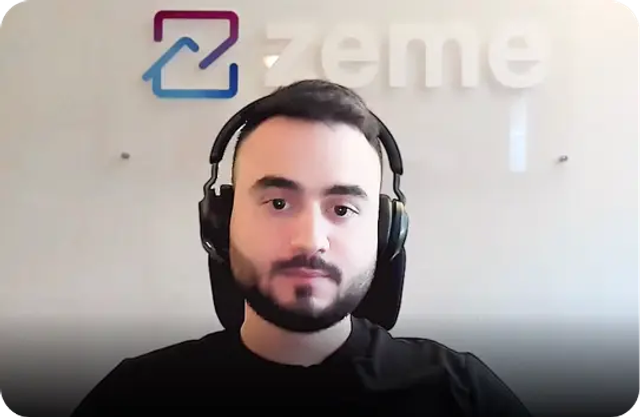
We don't just call them Logiciel; they're part of the Zeme team. Within the first week they were contributing meaningfully to our codebase.

The Logiciel team worked tirelessly and built everything we needed, with security and best practices across our entire platform. It allowed us to become #1 in our industry, and we couldn't have done it without them.

Services can include frontend architecture, React development, responsive interfaces, API integration, performance optimization, design systems, accessibility, testing and ongoing maintenance.
Frontend performance affects how quickly users can access data, navigate product workflows and complete important tasks.
Yes. Logiciel can upgrade frameworks, improve architecture, reduce technical debt and modernize applications through a phased approach.
Yes. Logiciel provides senior React developers for dedicated squads, team-extension engagements and defined product initiatives.
Yes. Logiciel can build tenant-aware interfaces that support role-based permissions, account configuration, branding and data separation.
Yes. Logiciel provides coordinated frontend and backend engineering for SaaS products requiring full-stack delivery and complex integrations.
Your organization retains ownership of the source code, frontend architecture, design assets, automated tests, documentation and agreed deliverables.
Yes. Ongoing support can include feature delivery, maintenance, performance monitoring, accessibility improvements, modernization and production support.
Improve application speed, usability and maintainability with senior frontend engineers who work as an extension of your product team.