
Zeme · Real Estate
Real Estate
Generative AI development services for healthcare. Build copilots, RAG, and production-ready AI workflows with secure integration and evaluation by Logiciel.
We combine applied AI engineering, software development, data integration, and testing to build useful generative AI for clinical documentation, administrative systems, staff knowledge, and patient operations.
mapping user goals, workflow steps, required context, failure cases, and measurable outcomes before selecting a model
connecting models to approved clinical references, operational policies, documentation, and appropriately authorized patient context with appropriate retrieval and access boundaries
selecting and integrating models, prompts, structured outputs, and orchestration based on quality, latency, and cost requirements
implementing clinician or staff review, role-aware permissions, and safeguards around patient-impacting recommendations
testing source grounding, documentation accuracy, omission rates, access boundaries, review effort, and workflow latency with representative scenarios
building APIs, services, retrieval, tool connections, and workflows around clinical and administrative applications, EHR-adjacent workflows, staff portals, and approved healthcare APIs
adding observability, fallback behavior, release controls, usage monitoring, and continuous improvement after launch
AI, software, data, UX, and QA engineers work across discovery, architecture, integration, evaluation, deployment, and improvement.
Specialists strengthen your team across model selection, RAG, workflow integration, evaluation, security boundaries, and production engineering.
A focused engagement builds one copilot, document workflow, AI product feature, knowledge application, or bounded agent against agreed acceptance criteria.
We assess user needs, business value, data readiness, failure risks, and integration requirements across clinical documentation, administrative systems, staff knowledge, and patient operations.
We build application services, model interfaces, prompts, orchestration, structured outputs, conversation state, and the product experience around the workflow.
We connect models to approved clinical references, operational policies, documentation, and appropriately authorized patient context using ingestion, retrieval, metadata, permissions, and source visibility where appropriate.
We connect AI applications to approved healthcare data and systems using role-aware context, auditability, structured outputs, and review steps.
We implement data boundaries, identity, tool permissions, auditability, and clinician or staff review, role-aware permissions, and safeguards around patient-impacting recommendations.
We test source grounding, documentation accuracy, omission rates, access boundaries, review effort, and workflow latency, including edge cases and failures before release.
We implement logging, traces, usage and cost tracking, fallback behavior, model and prompt versioning, regression checks, and production support.
A method for ranking use cases by user value, data quality, integration effort, failure impact, and ability to measure outcomes.
A way to decide which responsibilities belong to the model, knowledge retrieval, deterministic application logic, tools, and human review.
A method for tracing generated content to approved inputs and defining which outputs require clinical or operational review.
We review the target workflow, users, approved clinical references, operational policies, documentation, and appropriately authorized patient context, permissions, dependencies, and business outcomes.
We define model access, context, retrieval, APIs, structured outputs, evaluation, access controls, fallbacks, and acceptance criteria.
We develop the application, connect clinical and administrative applications, EHR-adjacent workflows, staff portals, and approved healthcare APIs, and implement model, retrieval, validation, and review logic.
We evaluate source grounding, documentation accuracy, omission rates, access boundaries, review effort, and workflow latency, plus missing context, invalid outputs, restricted data, and integration failures.
We release with observability and operational ownership, then improve quality, latency, costs, and workflows using real usage signals.

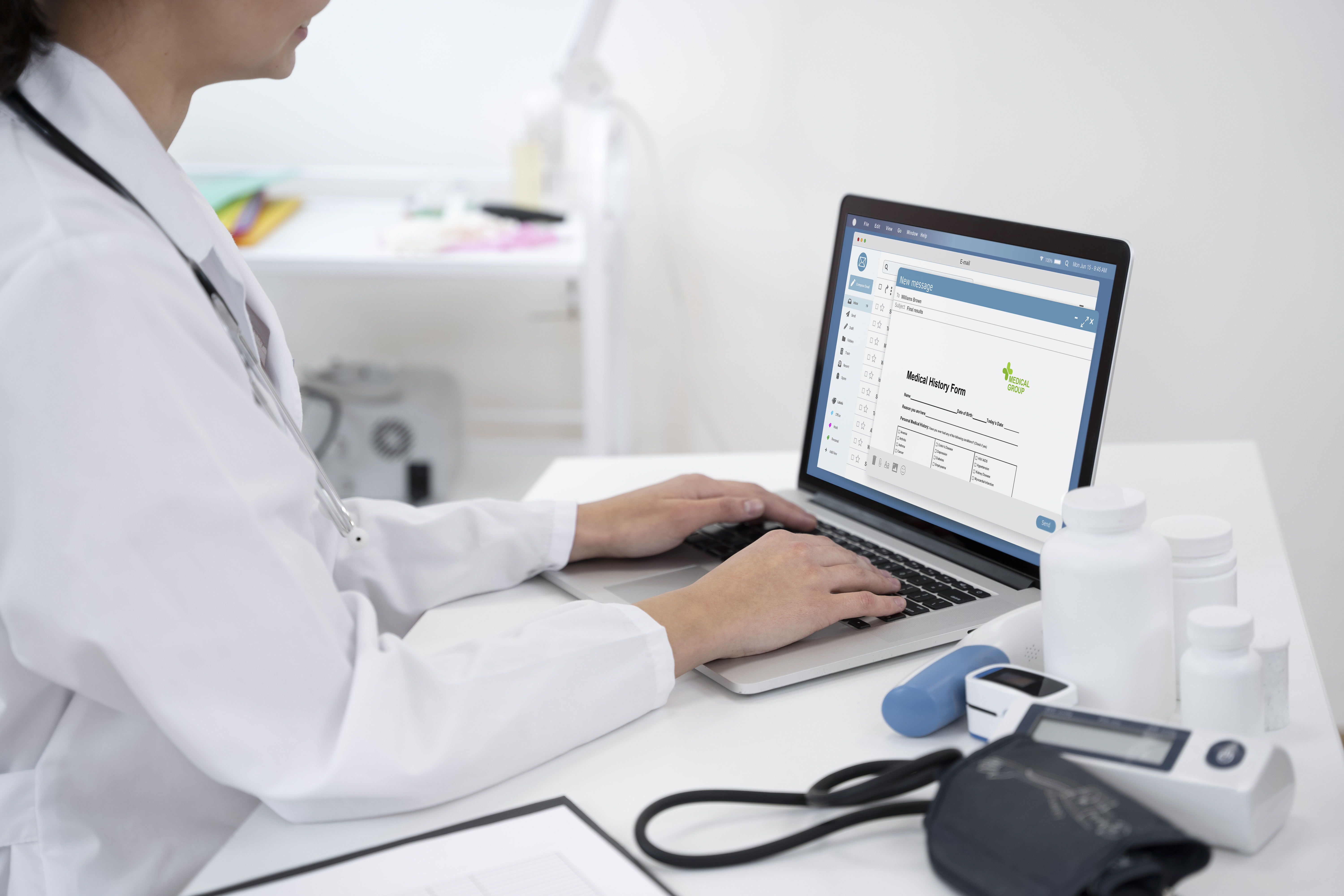
Teams that needed to ship fast, and did. Here's what partnering with Logiciel felt like from the inside.
I would highly recommend them to anyone looking to scale quickly or needing support in engineering, product, or QA.
We don't just call them Logiciel; they're part of the Zeme team. Within the first week they were contributing meaningfully to our codebase.
The Logiciel team worked tirelessly and built everything we needed, with security and best practices across our entire platform. It allowed us to become #1 in our industry, and we couldn't have done it without them.

They involve designing, building, integrating, testing, and operating applications that use generative models for tasks such as summarization, drafting, retrieval-based assistance, structured extraction, and workflow support.
Custom development connects models to your applications, knowledge, identity, business rules, and evaluation requirements. A packaged chatbot may be sufficient for simpler use cases but may not fit complex integrations or controls.
Usually not. Many workflows can use an appropriate existing model with application logic, RAG, structured outputs, and evaluation. Fine-tuning or custom training should be justified by the task and data.
RAG is useful when responses require current, private, domain-specific, or source-verifiable knowledge. It should be designed around permissions, source quality, retrieval relevance, and answer evaluation.
We design data flows, identity and access checks, retrieval permissions, logging, tool boundaries, and deployment choices around the sensitivity and requirements of the specific workflow.
We test representative tasks for grounded answers, output validity, task success, failure behavior, latency, cost, and workflow-specific risks rather than relying on model demos alone.
No service or model alone guarantees HIPAA compliance. Applicability and required safeguards depend on the workflow, data, deployment, contracts, and organizational controls; these must be assessed and implemented together.
Tell us what you want to improve across clinical documentation, administrative systems, staff knowledge, and patient operations. We will help define the data, architecture, controls, and engineering plan to build it.