
Zeme · Real Estate
Real Estate
Logiciel helps healthcare organizations design, build and operate healthcare data interoperability engineering foundations across clinical, administrative and operational systems. From HL7 and FHIR integration to healthcare data engineering, data validation, API development, governance, observability and managed operations, we help teams exchange health data accurately, securely and at scale.
We build interoperability foundations that make healthcare data easier to exchange, validate and use.
for EHRs, labs, claims, patient platforms and third-party systems
for ingestion, transformation, validation and downstream delivery
for real-time and batch exchange
for schema consistency, required fields, code sets, duplicates and source-to-target accuracy
for access, audit trails, lineage, encryption and sensitive data handling
HL7 message parsing, mapping, routing, validation, transformation, acknowledgement handling and integration with clinical systems.
FHIR resource modelling, API design, authentication, authorization, resource mapping, search workflows and system integration.
Data ingestion, transformation, normalization, enrichment and delivery across clinical, administrative and analytics platforms.
Architecture for EHR integration, lab interfaces, claims workflows, patient engagement systems, scheduling tools and care coordination platforms.
Validation rules for HL7 messages, FHIR resources, reference data, timestamps, required fields, duplicates and business logic.
Access controls, encryption, audit logs, consent-aware workflows, data minimization, retention rules and compliance-aligned operations.
Ongoing interface monitoring, incident response, message failure review, API support, mapping updates and continuous improvement.
A standing team of healthcare data engineers, integration specialists, API engineers and cloud architects embedded into your interoperability roadmap.
Senior data engineer healthcare specialists and health data engineer consultants who strengthen your internal clinical, data, product or engineering teams.
Fixed-scope engagements with defined integration outcomes, validation milestones, interoperability targets and success baselines agreed up front.
Patterns from our healthcare, data and cloud engineering teams that help organizations connect clinical systems without weakening data quality or compliance.
How we structure interface ownership, data engineer in healthcare workflows, validation rules, incident response, mapping updates and continuous improvement.
A practical approach to ranking interoperability priorities by clinical impact, integration complexity, data sensitivity, system dependency and operational value.
We assess healthcare systems, interfaces, APIs, data flows, message formats, governance controls, monitoring gaps and business priorities.
We identify HL7 messages, FHIR resources, source systems, target systems, owners, validation rules, privacy needs and downstream consumers.
We build HL7 interfaces, FHIR APIs, data mappings, transformation workflows, validation rules, observability dashboards and secure exchange patterns.
We harden interoperability workflows with access controls, audit trails, alerts, exception handling, runbooks, recovery paths and compliance reporting.
We hand over a repeatable healthcare data interoperability practice, including ownership, KPIs, monitoring cadences, documentation, runbooks and improvement workflows.

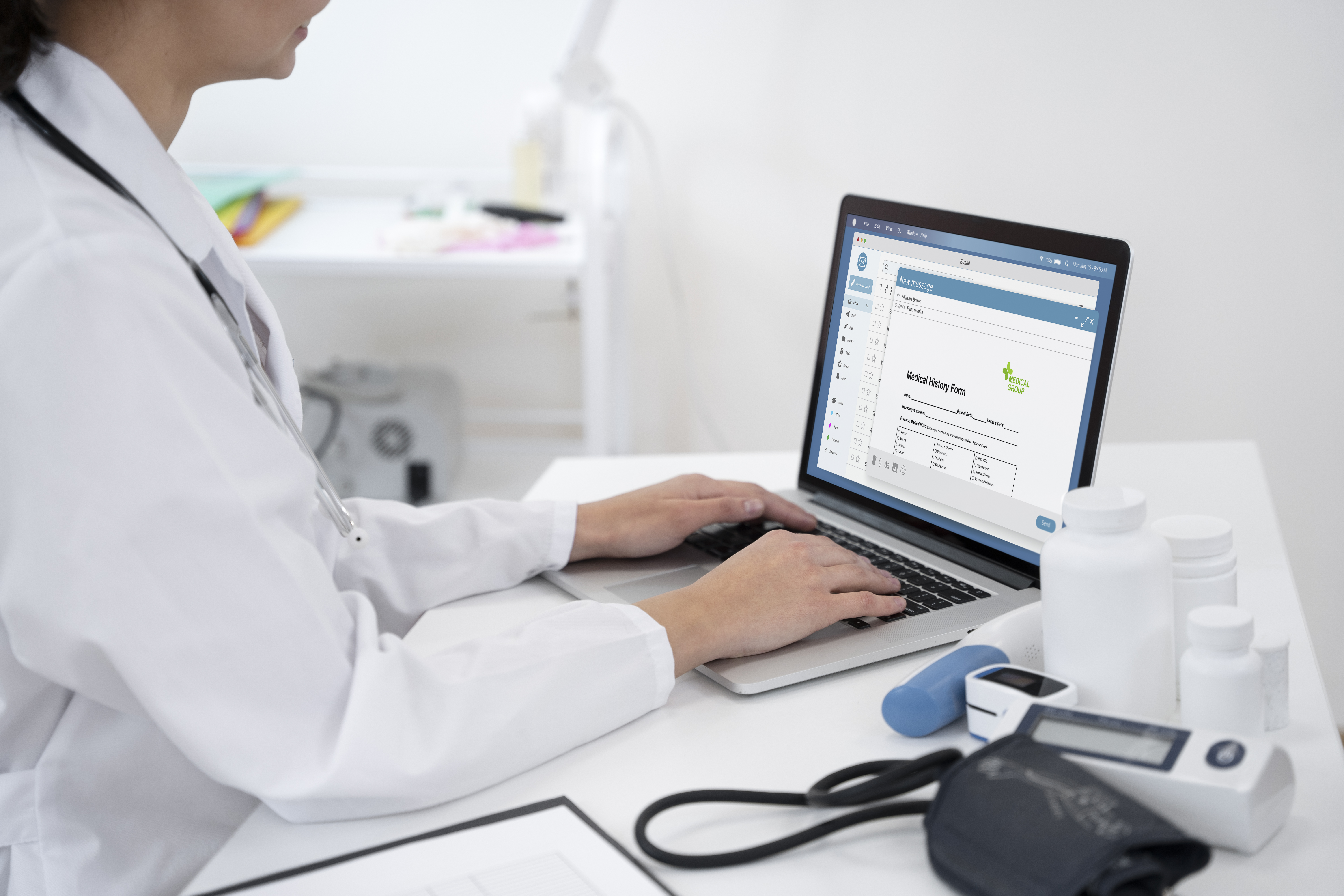
Teams that needed to ship fast, and did. Here's what partnering with Logiciel felt like from the inside.

I would highly recommend them to anyone looking to scale quickly or needing support in engineering, product, or QA.
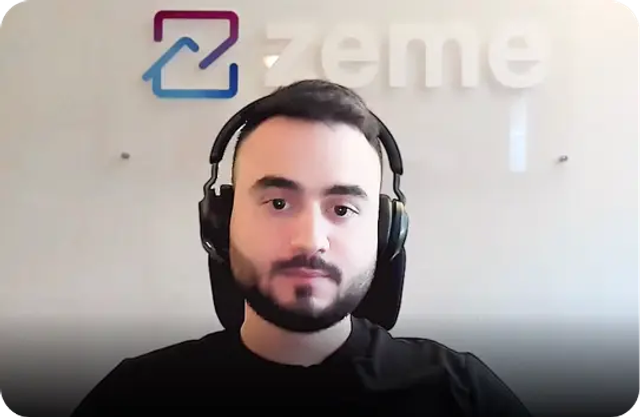
We don't just call them Logiciel; they're part of the Zeme team. Within the first week they were contributing meaningfully to our codebase.

The Logiciel team worked tirelessly and built everything we needed, with security and best practices across our entire platform. It allowed us to become #1 in our industry, and we couldn't have done it without them.

Healthcare Data Interoperability HL7/FHIR Engineering includes HL7 interface implementation, FHIR API engineering, healthcare data engineering, data mapping, validation, governance, security controls, observability and managed interoperability operations.
Healthcare data interoperability is the ability for healthcare systems to exchange, interpret and use data across clinical, administrative and operational workflows without losing accuracy, security or context.
HL7 integration involves receiving, parsing, mapping, validating, routing and monitoring HL7 messages between systems such as EHRs, labs, billing platforms and operational applications.
FHIR API engineering includes resource modelling, API development, authentication, authorization, search workflows, resource mapping, validation and integration with source and downstream systems.
A data engineer in healthcare builds secure data pipelines, integrations, transformations, validation rules and monitoring workflows that help clinical and operational teams use trusted healthcare data.
Logiciel improves healthcare data quality through schema validation, mapping checks, duplicate detection, source-to-target reconciliation, freshness monitoring, exception workflows and observability dashboards.
You retain ownership of all interfaces, APIs, mappings, validation rules, pipelines, dashboards, governance assets, documentation, runbooks and implementation materials.
Yes. We run managed operations with interface monitoring, API support, message failure handling, mapping updates, incident response, documentation updates and continuous improvement.
Ready to turn Healthcare Data Interoperability (HL7/FHIR) Engineering into a trusted foundation for connected care, analytics and AI? Partner with Logiciel to build secure healthcare data engineering systems that exchange clinical data accurately, reliably and at scale.