
Zeme · Real Estate
Real Estate
Logiciel provides product modernization services for companies improving established software platforms and business-critical applications. From architecture assessment and application redesign to cloud engineering, API modernization, QA automation, AI-first delivery and managed operations, we help teams reduce technical debt, improve reliability and create a stronger foundation for future product growth.
We embed senior modernization engineers into your roadmap while your organization retains ownership of the product, source code, priorities, infrastructure and technical decisions.
aligned with business priorities and application risk
dependencies and modernization opportunities
to your architecture, codebase and technology environment
code maintainability and application reliability
integrations, automated testing and controlled release processes
observability and performance foundations prepared for growth
that prevents the same modernization backlog from returning
Architecture review, codebase analysis, dependency mapping, risk identification, business-priority alignment and phased modernization planning.
Framework upgrades, workflow redesign, code improvement and controlled replacement of high-risk legacy components.
Separation of tightly coupled components, modular service design, clearer system boundaries and improved maintainability.
Cloud migration, infrastructure automation, deployment improvements, monitoring, resilience and scalable runtime foundations.
Modern APIs, reusable integration services, clearer data contracts, improved data models and more reliable access patterns.
Automated testing, CI/CD pipelines, dependency upgrades, access controls, encryption, release governance and production hardening.
Data, API and workflow improvements supporting AI capabilities, followed by monitoring, maintenance and continuous platform improvement.
A standing team of architects, developers, QA specialists, cloud engineers and integration experts embedded into your modernization roadmap.
Senior modernization specialists who strengthen your internal architecture, application, cloud, DevOps, quality or engineering teams.
Fixed-scope engagements with defined outcomes, milestones and success criteria for framework upgrades, API modernization, cloud enablement, workflow redesign or application stabilization.
Patterns from our product, architecture, cloud and quality engineering teams that help companies modernize established software without unnecessary disruption.
How we structure modernization ownership, architecture governance, quality gates, release planning, risk controls, documentation and continuous improvement.
A practical approach to ranking modernization priorities by business value, technical risk, dependency complexity, user impact, security exposure and implementation effort.
We assess architecture, codebase health, infrastructure, integrations, user workflows and delivery practices to identify technical debt and modernization priorities.
We document the functions, data flows, integrations and operational processes that must remain stable throughout modernization.
We define future system boundaries and modernize components, services, interfaces and infrastructure through manageable releases.
We expand test coverage, validate functionality, performance and security and move users, data and workflows through phased releases.
We provide documentation, runbooks, release procedures, ownership guidance and improvement practices so your team can maintain the modernized platform confidently.
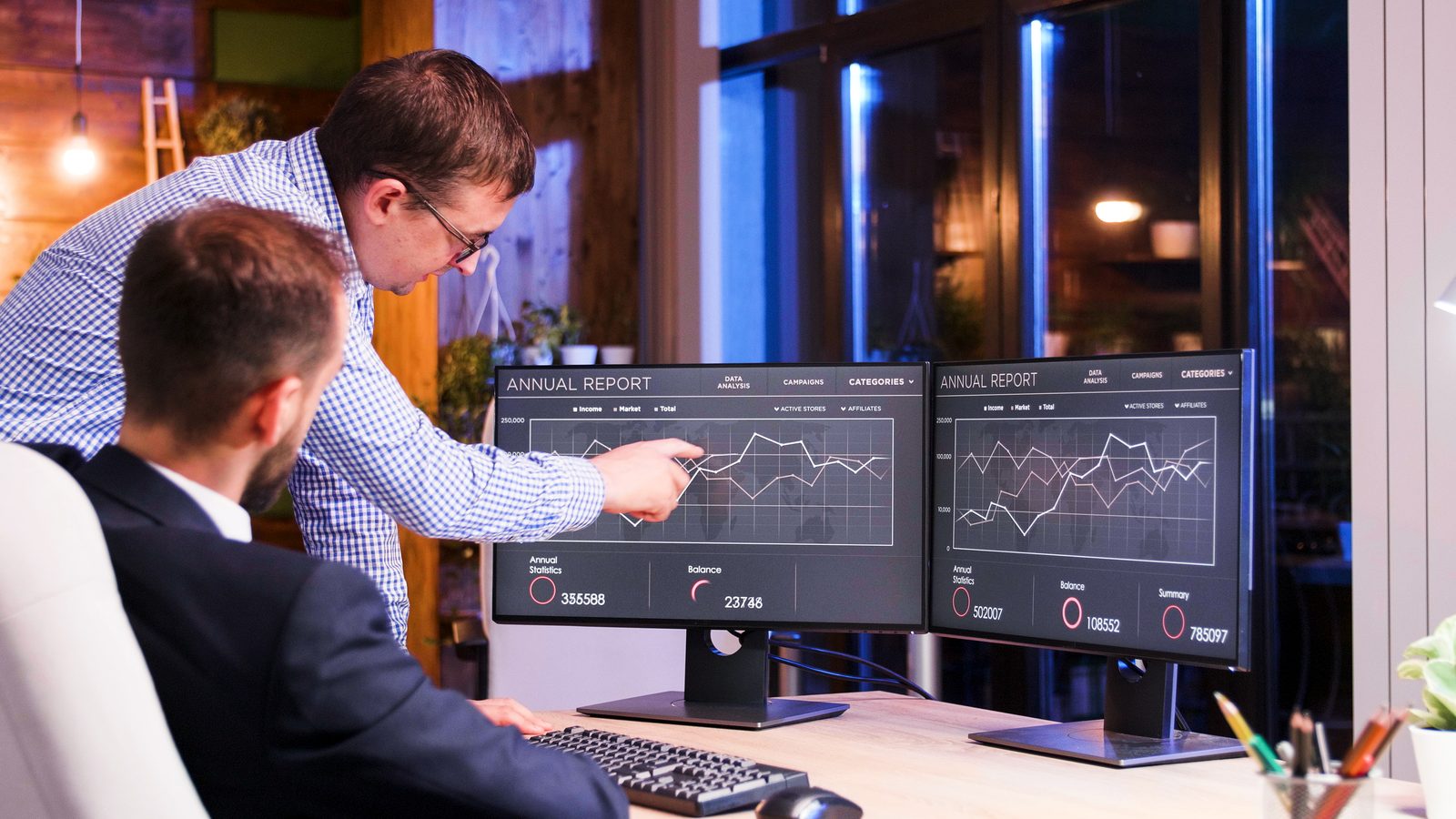
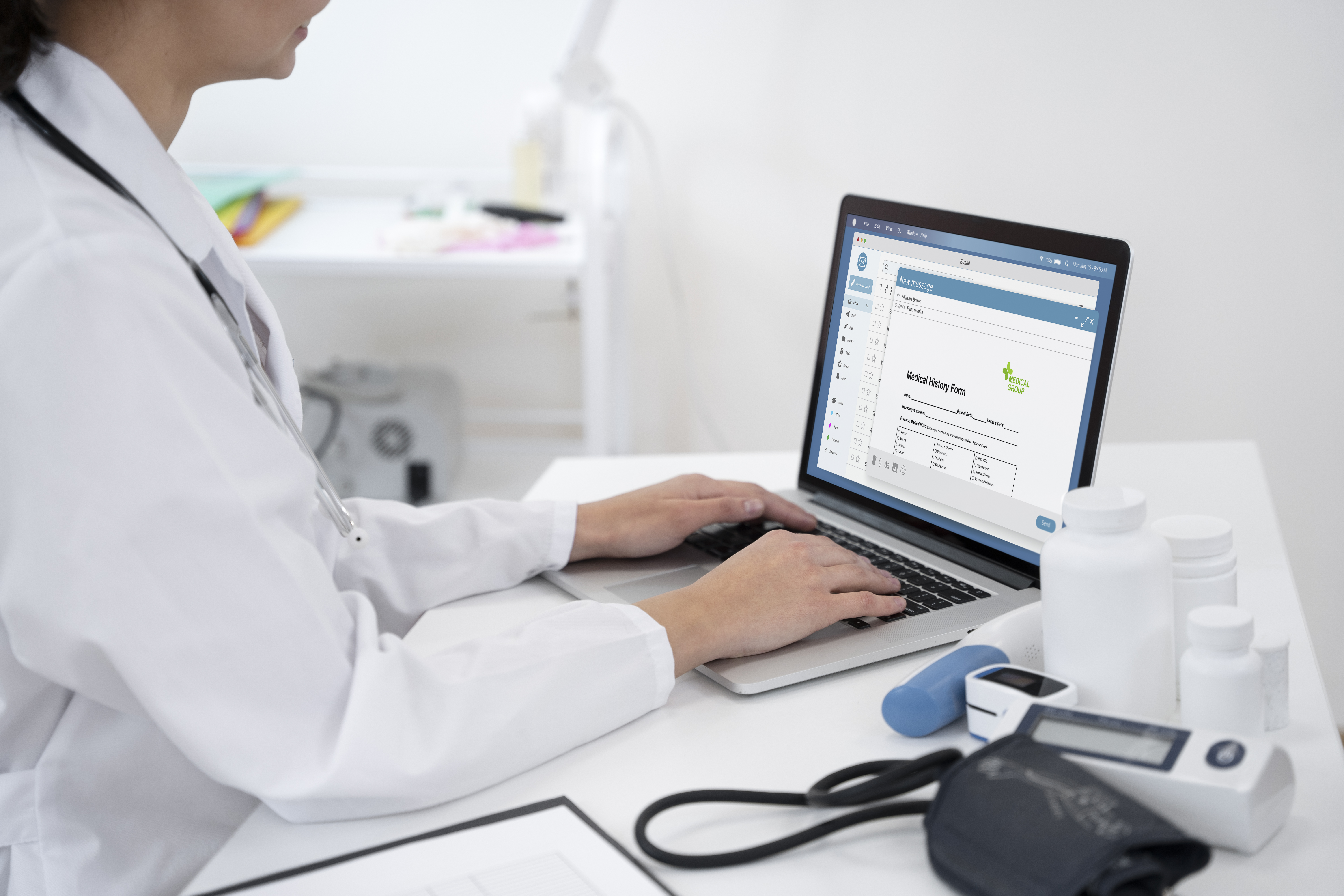
Teams that needed to ship fast, and did. Here's what partnering with Logiciel felt like from the inside.
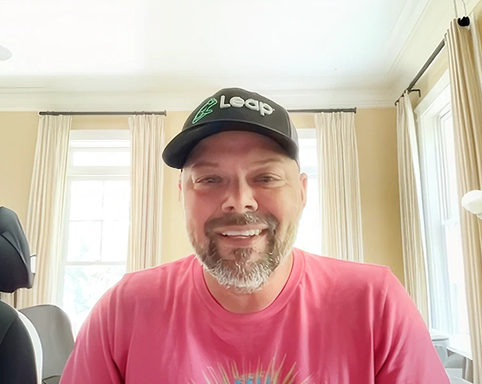
I would highly recommend them to anyone looking to scale quickly or needing support in engineering, product, or QA.
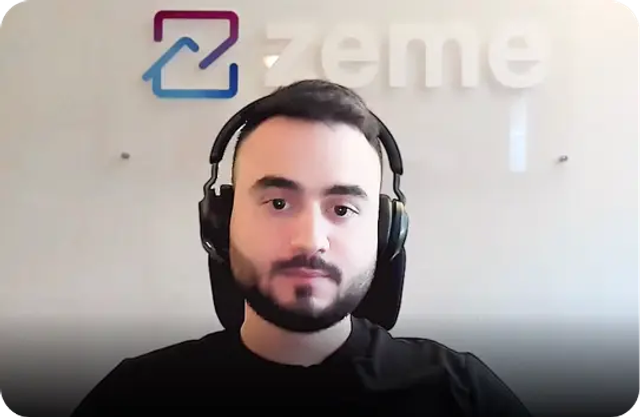
We don't just call them Logiciel; they're part of the Zeme team. Within the first week they were contributing meaningfully to our codebase.
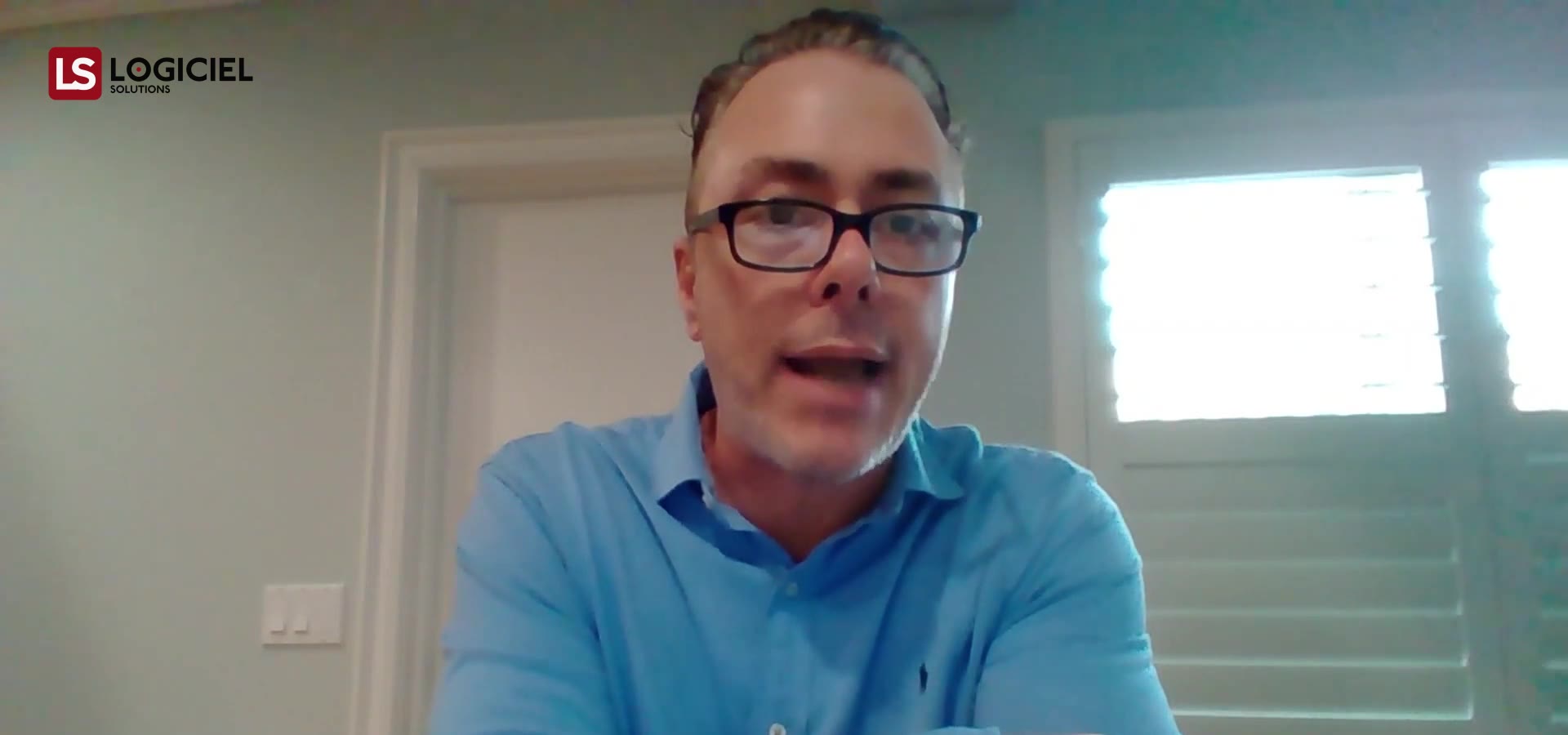
The Logiciel team worked tirelessly and built everything we needed, with security and best practices across our entire platform. It allowed us to become #1 in our industry, and we couldn't have done it without them.
Product modernization services improve an existing software product’s architecture, codebase, infrastructure, integrations, security, performance and user experience without unnecessarily rebuilding the entire platform.
Services can include technical assessment, legacy application modernization, cloud migration, framework upgrades, API modernization, automated testing, UX improvements, security engineering and managed operations.
Modernization retains valuable business logic and working capabilities while improving selected parts of the product. A rebuild replaces most or all of the existing platform and usually requires greater time, cost and migration risk.
The decision depends on architecture quality, technical debt, product requirements, business continuity and the amount of reusable functionality. A technical assessment helps determine the most practical approach.
Yes. Logiciel can modernize architecture, interfaces, integrations and infrastructure incrementally so active users and operations are not disrupted by a full-platform replacement.
Yes. Logiciel can prepare applications for cloud infrastructure, migrate suitable workloads and improve deployment automation, scalability, monitoring and resilience.
Yes. Modernization can improve APIs, data accessibility, workflow structure and system integration so AI capabilities can be introduced more reliably.
Logiciel works as an embedded product engineering partner. Your organization retains ownership of the source code, architecture, infrastructure, roadmap and technical decisions.
Your organization retains full ownership of the source code, architecture, infrastructure configurations, automated tests, documentation and other agreed deliverables.
Yes. Ongoing support can include feature delivery, production monitoring, incident response, performance optimization, security improvements and continuous product engineering.
Replace technical limitations with a scalable, maintainable product foundation while protecting the workflows and capabilities your business already depends on.