
Zeme · Real Estate
Real Estate
Production AI engineering for hospitality for reliable AI applications, RAG, copilots, and agents. Build, deploy, monitor, evaluate, and improve AI systems in production.
We combine AI engineering, software architecture, platform engineering, evaluation, and production support to make hospitality AI systems more reliable after the prototype stage.
designing model access, retrieval, application services, queues, data flows, tools, state, fallbacks, and operational boundaries for real workloads
testing representative scenarios across quality, grounding, task success, safety boundaries, latency, cost, and failure behavior before releases
tracing model calls, retrieval, tool execution, errors, token usage, latency, application events, and downstream dependencies
versioning prompts, models, evaluation sets, configuration, and rollout decisions so changes can be tested and reversed
adding retries, timeouts, queues, caching, provider routing, graceful degradation, and human escalation where workflows require them
measuring model, retrieval, infrastructure, and workflow costs so engineering decisions can balance quality, latency, and spend
using incidents, evaluation results, user behavior, support signals, and operational metrics to refine the AI system after launch
AI, software, platform, data, and QA engineers work across architecture, evaluation, deployment, observability, reliability, incident support, and continuous improvement.
Specialists strengthen your existing team across model integration, RAG, agent systems, platform engineering, evaluation, monitoring, and production troubleshooting.
A focused engagement moves one AI application, copilot, RAG system, agent, or model-backed workflow from prototype or unstable production into a measurable operating state.
We design service boundaries, model access, retrieval, state, queues, data flows, integrations, fallbacks, scaling patterns, and operational controls around the AI workload.
We implement model routing, provider abstraction, authentication, quotas, retries, caching, version control, usage tracking, and release patterns for model-backed applications.
We build representative evaluation sets and test quality, grounding, task completion, tool use, failure handling, latency, and cost as the system changes.
We instrument model calls, prompts, retrieval, traces, tools, application events, errors, latency, token usage, and downstream dependencies for production diagnosis.
We improve throughput, latency, resilience, caching, concurrency, provider strategy, infrastructure use, and cost without treating model quality as a separate concern.
We establish versioning, test gates, staged rollout, rollback, change evidence, and review triggers for models, prompts, retrieval, tools, and application logic.
We investigate incidents, analyze failure patterns, tune system behavior, refresh evaluations, and improve production workflows as usage and requirements evolve.
A framework for assessing architecture, evaluation, observability, security boundaries, reliability, performance, cost, ownership, and support before wider release.
A method for separating model, retrieval, tool, data, integration, application, and infrastructure failures so teams can diagnose the right layer.
A framework for deciding which evaluations, regression tests, performance checks, and rollout controls should run when production AI components change.
We review the application, models, prompts, retrieval, integrations, traffic, failure patterns, latency, costs, security boundaries, and current operating model.
We establish service objectives, representative test scenarios, quality thresholds, observability needs, fallback behavior, and production acceptance criteria.
We implement the services, integrations, model access, retrieval, queues, caching, controls, telemetry, and release patterns required for the workload.
We evaluate representative tasks, edge cases, failures, latency, concurrency, provider issues, retrieval quality, tool behavior, and rollback paths before release.
We monitor production behavior, investigate incidents, track quality and cost, refresh evaluations, and improve the system as traffic, models, data, and requirements change.
Teams that needed to ship fast, and did. Here's what partnering with Logiciel felt like from the inside.
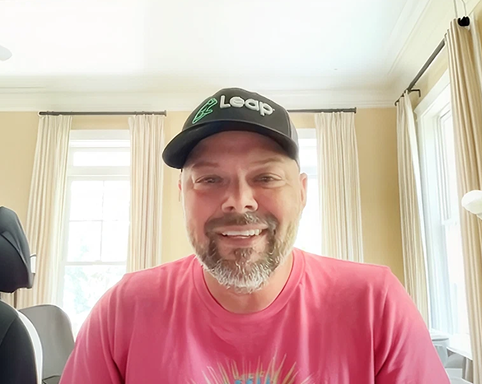
I would highly recommend them to anyone looking to scale quickly or needing support in engineering, product, or QA.
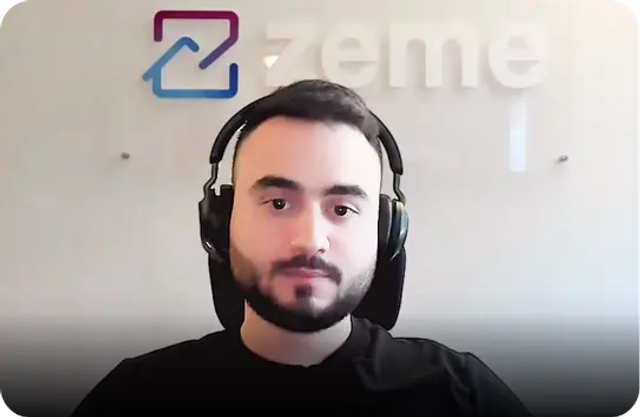
We don't just call them Logiciel; they're part of the Zeme team. Within the first week they were contributing meaningfully to our codebase.

The Logiciel team worked tirelessly and built everything we needed, with security and best practices across our entire platform. It allowed us to become #1 in our industry, and we couldn't have done it without them.

Production AI engineering is the work required to operate model-backed applications reliably after the prototype stage. It combines AI engineering with software architecture, evaluation, observability, deployment, reliability, performance, security controls, and production support.
A prototype proves that a use case can work under limited conditions. Production engineering addresses real traffic, failures, permissions, latency, cost, monitoring, regression testing, integrations, operational ownership, and safe change management.
Monitoring can include model latency and errors, token usage, retrieval quality, tool calls, task completion, fallback rates, application events, provider availability, infrastructure health, cost, and workflow-specific quality signals.
We use representative evaluation scenarios alongside conventional software tests. Depending on the system, evaluation can measure grounding, task success, structured output, retrieval, tool use, failure handling, latency, cost, and other acceptance criteria tied to the workflow.
Cost engineering can include model selection, routing, caching, context reduction, batching, retrieval design, prompt optimization, infrastructure tuning, usage controls, and measuring cost per useful task rather than only cost per model call.
Yes. We can assess an existing prototype or live system, identify gaps across architecture, evaluation, observability, reliability, integrations, security boundaries, performance, and support, then work with the existing codebase and team on production readiness.
Look for capability across AI engineering, software architecture, platform engineering, evaluation, observability, data integration, security, QA, and production operations. The partner should be able to explain how the system behaves when models, retrieval, tools, providers, or downstream dependencies fail.
Bring us the AI application, RAG system, copilot, or agent you need to productionize. We’ll help define the engineering gaps, evaluation plan, reliability controls, and path to stable operation.