
Leap · Construction
Construction
Logiciel helps energy companies, utilities and energy technology platforms design, build and operate real-time monitoring systems for grid, asset, IoT, demand, maintenance and field operations. From real-time data pipelines and operational dashboards to anomaly detection, alerting, observability, governance and managed operations, we help teams improve visibility, response speed and reliability across energy operations.
We build monitoring systems that connect energy data, dashboards, alerts and response workflows.
to energy operations and business priorities
for grid telemetry, meters, IoT devices, asset systems, weather feeds and operational platforms
for grid status, asset health, demand signals, incidents, anomalies, service performance and operational KPIs
for threshold breaches, equipment risk, missing data, abnormal patterns and system failures
for pipeline health, latency, throughput, data freshness, source availability and downstream impact
for access, audit trails, data quality, ownership and sensitive operational data handling
Current-state assessment, monitoring maturity review, operational priority mapping, dashboard design and phased implementation roadmap.
Streaming and event-driven pipelines for grid telemetry, smart meters, IoT sensors, asset systems, APIs, logs and operational events.
Live dashboards for grid health, asset status, demand trends, outage signals, field activity, maintenance alerts and executive visibility.
Rules and AI-assisted detection for abnormal readings, missing signals, demand spikes, asset degradation, device failures and operational risk.
Alert routing, severity models, escalation workflows, on-call handoffs, incident runbooks and post-incident review patterns.
Monitoring for latency, freshness, volume anomalies, source failures, schema changes, data quality issues and pipeline reliability.
Ongoing monitoring, incident response, dashboard updates, alert tuning, data quality review and continuous improvement.
A standing team of data engineers, cloud architects, SRE specialists, platform engineers and energy domain experts embedded into your monitoring roadmap.
Senior observability consultants, data engineers and energy operations specialists who strengthen your internal platform, operations, analytics or engineering teams.
Fixed-scope engagements with defined dashboards, alert workflows, source integrations and reliability targets agreed up front.
Patterns from our energy, data and cloud engineering teams that help organizations move from delayed reporting to live operational visibility.
How we structure monitoring ownership, alert review, incident response, data quality checks, dashboard governance and continuous improvement.
A practical approach to ranking monitoring priorities by operational impact, data availability, latency need, reliability risk, alert value and implementation effort.
We assess energy systems, operational workflows, data sources, dashboards, alerting coverage, incident response and business priorities.
We identify critical assets, telemetry signals, operational events, owners, alert thresholds, failure modes and downstream dependencies.
We build streaming pipelines, dashboards, anomaly detection workflows, alert logic, integrations and secure monitoring foundations.
We harden monitoring systems with data quality checks, access controls, audit trails, runbooks, escalation workflows and incident reporting.
We hand over a repeatable real-time monitoring practice, including ownership, KPIs, review cadences, documentation, runbooks and improvement workflows.
Teams that needed to ship fast, and did. Here's what partnering with Logiciel felt like from the inside.
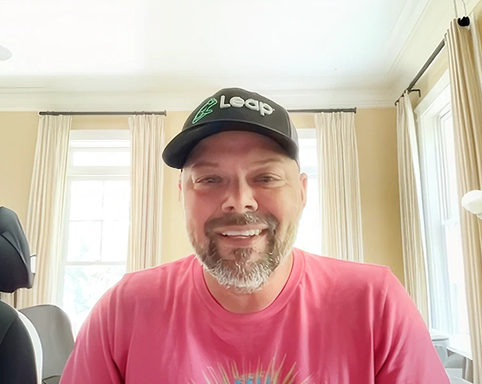
I would highly recommend them to anyone looking to scale quickly or needing support in engineering, product, or QA.
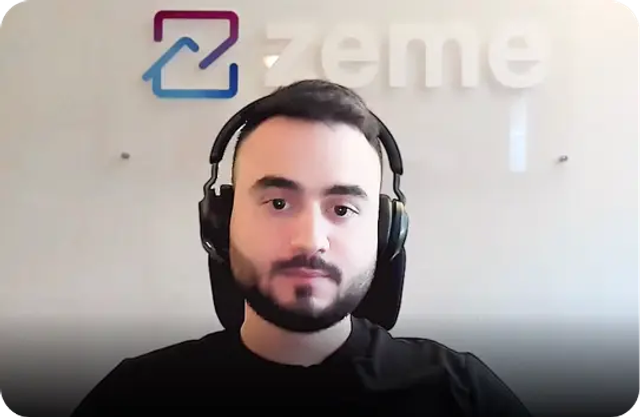
We don't just call them Logiciel; they're part of the Zeme team. Within the first week they were contributing meaningfully to our codebase.
The Logiciel team worked tirelessly and built everything we needed, with security and best practices across our entire platform. It allowed us to become #1 in our industry, and we couldn't have done it without them.

Real-Time Monitoring for Energy Operations includes real-time data ingestion, streaming analytics, dashboards, alerting, anomaly detection, data quality checks, observability, incident workflows and managed monitoring operations.
Energy operations need real-time monitoring to detect issues earlier, track grid and asset performance, reduce response times, improve reliability and support faster operational decisions.
Real-time monitoring can connect to smart meters, SCADA exports, IoT sensors, grid assets, asset management platforms, weather feeds, APIs, operational systems and enterprise data platforms.
Real-time monitoring supports predictive maintenance by detecting abnormal asset behavior, missing signals, degradation patterns and threshold breaches that can trigger maintenance review before failures occur.
Yes. Logiciel builds dashboards for grid health, asset performance, demand trends, outages, incidents, maintenance activity, reliability metrics and executive reporting.
We reduce alert noise through severity models, threshold tuning, anomaly validation, ownership routing, suppression rules, escalation logic and continuous alert review.
You retain ownership of all pipelines, dashboards, alert rules, integrations, monitoring workflows, governance assets, documentation, runbooks and implementation materials.
Yes. We run managed operations with monitoring, incident response, alert tuning, dashboard updates, data validation, documentation maintenance and continuous improvement.
Ready to turn Real-Time Monitoring for Energy Operations into a trusted foundation for faster response, stronger visibility and smarter energy decisions? Partner with Logiciel to build monitoring systems that improve reliability, reduce blind spots and support AI-first energy operations.