
Zeme · Real Estate
Real Estate
Recommendation engine development for retail brands. Build personalized product discovery, cross-sell, upsell, and merchandising experiences using customer and catalog data.
We combine machine learning, retail data engineering, product development, and experimentation to build recommendation systems around real shopper behavior and commercial goals.
using browsing, search, purchase, cart, preference, and contextual signals where available
helping shoppers find relevant items, alternatives, complements, and categories across the journey
combining behavioral, content-based, collaborative, contextual, or hybrid approaches as needed
for inventory, exclusions, product availability, category rules, merchandising priorities, and other constraints
using product attributes, contextual signals, popularity, and other strategies when interaction history is limited
with evaluation across relevance, engagement, coverage, diversity, and business-specific outcomes
as catalogs, customers, channels, events, and personalization use cases grow
A cross-functional team works with product, ecommerce, data, and engineering teams across discovery, data preparation, model development, integration, experimentation, and rollout.
Machine learning engineers, data engineers, and product specialists strengthen your team across recommendation architecture, data pipelines, evaluation, and implementation.
A focused initiative built around a defined use case such as product discovery, cross-sell, personalization, similar products, or cart recommendations.
We identify recommendation surfaces, shopper journeys, available signals, product data, business rules, success criteria, and where personalization can create meaningful value.
We prepare product catalog, behavioral, transactional, customer, inventory, and event data required to power recommendation models.
We design and evaluate collaborative filtering, content-based, behavioral, contextual, ranking, or hybrid recommendation approaches based on the use case.
We structure product attributes, categories, relationships, descriptions, embeddings, and other signals that help the system understand similarity and relevance.
We incorporate availability, exclusions, assortment rules, category priorities, product constraints, and merchandising requirements into recommendation logic.
We measure relevance, diversity, coverage, engagement, and other defined outcomes while testing recommendation strategies against real user behavior.
We integrate recommendations into retail applications and monitor model quality, latency, data freshness, drift, usage, and system performance after launch.
A practical framework for ranking recommendation opportunities by traffic, shopper intent, data readiness, commercial value, implementation effort, and measurement potential.
A structured way to decide when to use popularity, content-based, collaborative, contextual, or hybrid recommendation approaches.
A framework for balancing relevance, diversity, freshness, coverage, business rules, latency, and measurable shopper response.
We identify where recommendations should appear, who they serve, what decisions they support, and which customer or product outcomes should improve.
We assess catalog quality, customer events, transactions, search behavior, inventory signals, identifiers, historical coverage, and tracking gaps.
We define data pipelines, candidate generation, ranking logic, recommendation models, business rules, APIs, evaluation criteria, and deployment requirements.
We develop the recommendation engine, connect required retail systems, test representative scenarios, and evaluate quality before broader rollout.
We monitor production behavior, run controlled experiments, review recommendation quality, and refine models using real customer and product signals.
Teams that needed to ship fast, and did. Here's what partnering with Logiciel felt like from the inside.
I would highly recommend them to anyone looking to scale quickly or needing support in engineering, product, or QA.
We don't just call them Logiciel; they're part of the Zeme team. Within the first week they were contributing meaningfully to our codebase.
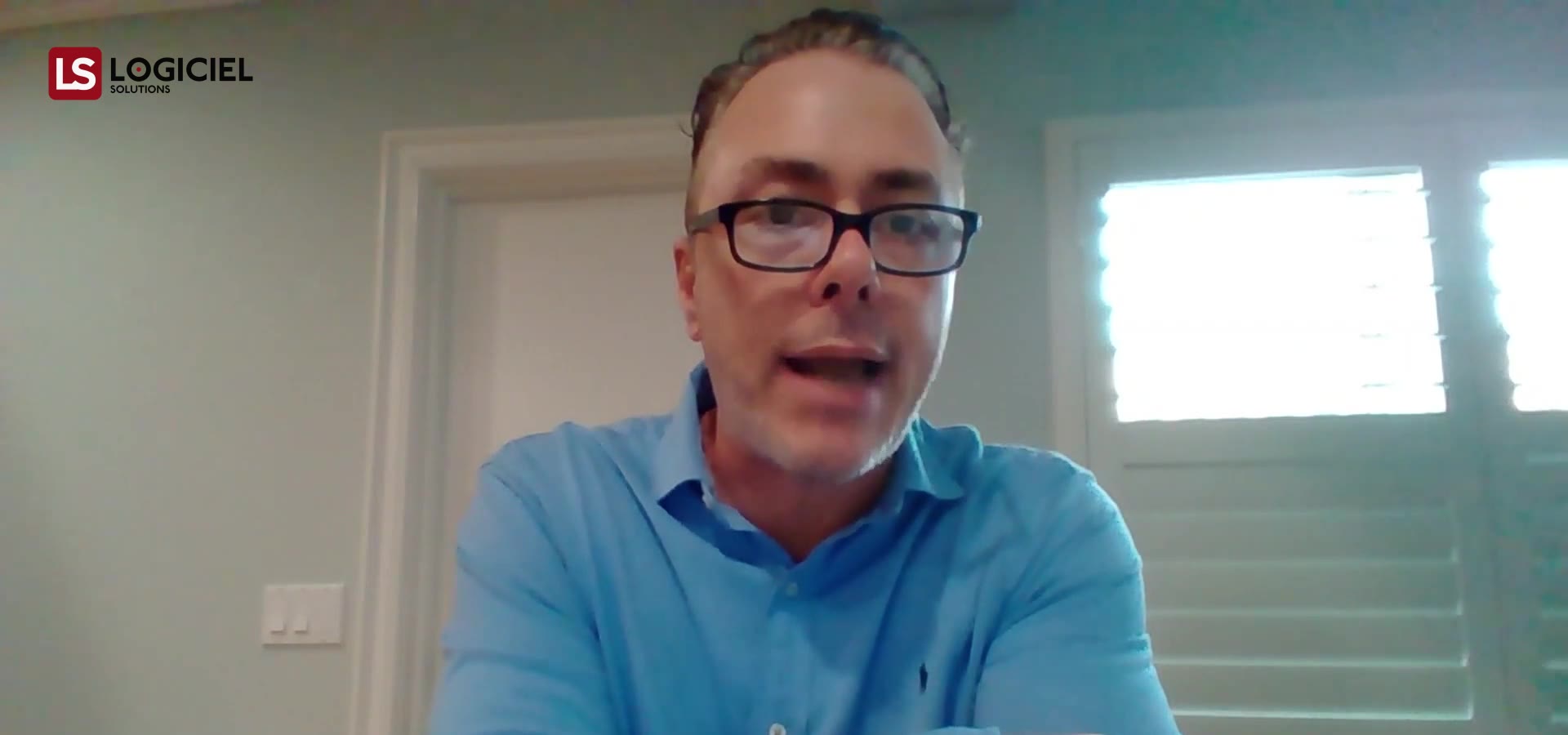
The Logiciel team worked tirelessly and built everything we needed, with security and best practices across our entire platform. It allowed us to become #1 in our industry, and we couldn't have done it without them.

Recommendation engine development for retail involves building software that uses product, customer, behavioral, transactional, and contextual data to suggest relevant products or content across ecommerce and other retail experiences.
Common use cases include personalized products, similar items, frequently bought together, cross-sell, cart recommendations, reorder suggestions, homepage personalization, and category-level recommendations.
Useful signals can include product catalog data, views, searches, clicks, purchases, cart activity, customer preferences, inventory, categories, and other contextual information. The exact requirements depend on the recommendation strategy.
Yes. Anonymous sessions can use signals such as current browsing behavior, search activity, product context, device or session information, and popularity patterns without requiring a known customer profile.
Cold-start strategies can use product attributes, categories, semantic similarity, contextual behavior, popularity, merchandising rules, and other signals until sufficient interaction data becomes available.
Yes. Recommendation logic can incorporate stock availability, exclusions, category constraints, product eligibility, merchandising priorities, and other defined retail rules.
Measurement can include relevance, click-through behavior, conversion contribution, coverage, diversity, add-to-cart activity, recommendation engagement, latency, and other business-specific metrics aligned with the use case.
Use shopper behavior, product intelligence, and retail context to build recommendation experiences that help customers discover the right products with less friction.