
Zeme · Real Estate
Real Estate
Logiciel helps SaaS companies develop new platforms, modernize existing products and expand through strategy, architecture, development, integrations, cloud engineering, QA and managed delivery.
We embed senior SaaS product development teams into your roadmap while your organization retains ownership of the product, source code, data, architecture and technical decisions.
aligned with business, customer and enterprise growth priorities
to your product architecture, technology stack and delivery processes
account-management, permission and entitlement capabilities
mobile, backend and platform experiences
for identity, billing, CRM, ERP and customer systems
cloud infrastructure and monitoring across critical product journeys
runbooks, sprint reviews and an operating model your team can maintain after launch
Customer workflow analysis, roadmap review, technical discovery, feasibility assessment, dependency mapping and phased delivery planning.
Responsive web applications, backend services, APIs, administrative tools and customer-facing workflows for new products, modules and modernization initiatives.
Tenant provisioning, data isolation, shared services, account configuration, role-based access and scalable data-access patterns.
Single sign-on, user provisioning, audit histories, approval workflows, configurable policies, advanced reporting and enterprise integrations.
Plans, trials, usage tracking, payments, invoicing, renewals, entitlements, credits, adjustments and account-cancellation workflows.
Data pipelines, analytics, AI-enabled search, assistants, retrieval systems and reusable integrations with enterprise platforms.
Cloud infrastructure, CI/CD pipelines, automated testing, observability, security controls, incident response and continuous product improvement.
A standing team of SaaS developers, backend engineers, QA specialists, cloud engineers, integration experts and architects embedded into your product roadmap.
Senior architects, SaaS application developers, QA engineers, cloud specialists, data engineers and integration experts who strengthen your internal teams.
Fixed-scope engagements with defined outcomes, milestones and success criteria for new modules, enterprise capabilities, customer portals, integrations, modernization or AI features.
Patterns from our SaaS, product, cloud and platform engineering teams that help technology companies move from platform constraints to predictable delivery.
How we structure product ownership, architecture governance, release planning, quality gates, platform monitoring, incident response and continuous improvement.
A practical approach to ranking initiatives by customer value, revenue impact, platform dependencies, security requirements, integration complexity and delivery risk.
We assess product goals, customer requirements, workflows, architecture, infrastructure and engineering capacity to identify delivery constraints and growth risks.
We map customer segments, account structures, roles, subscription plans, services, data stores, integrations and infrastructure dependencies.
We define experience and technical requirements and build applications, APIs, platform services, integrations and AI capabilities through visible sprint cycles.
We test complete journeys across accounts, roles, plans, integrations and failure conditions while strengthening security, performance, monitoring and recovery processes.
We provide documentation, release procedures, runbooks, ownership guidance and improvement workflows so your team can operate and extend the platform confidently.


Teams that needed to ship fast, and did. Here's what partnering with Logiciel felt like from the inside.
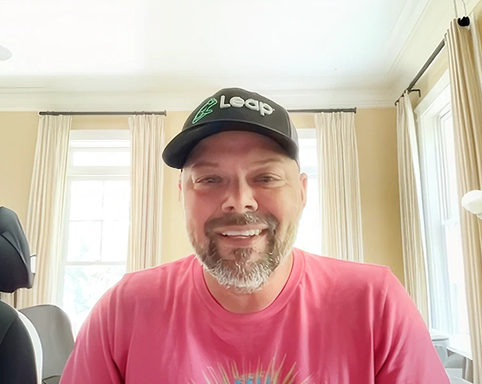
I would highly recommend them to anyone looking to scale quickly or needing support in engineering, product, or QA.
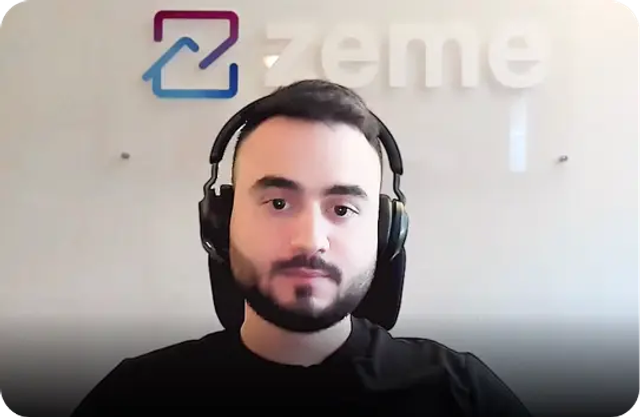
We don't just call them Logiciel; they're part of the Zeme team. Within the first week they were contributing meaningfully to our codebase.
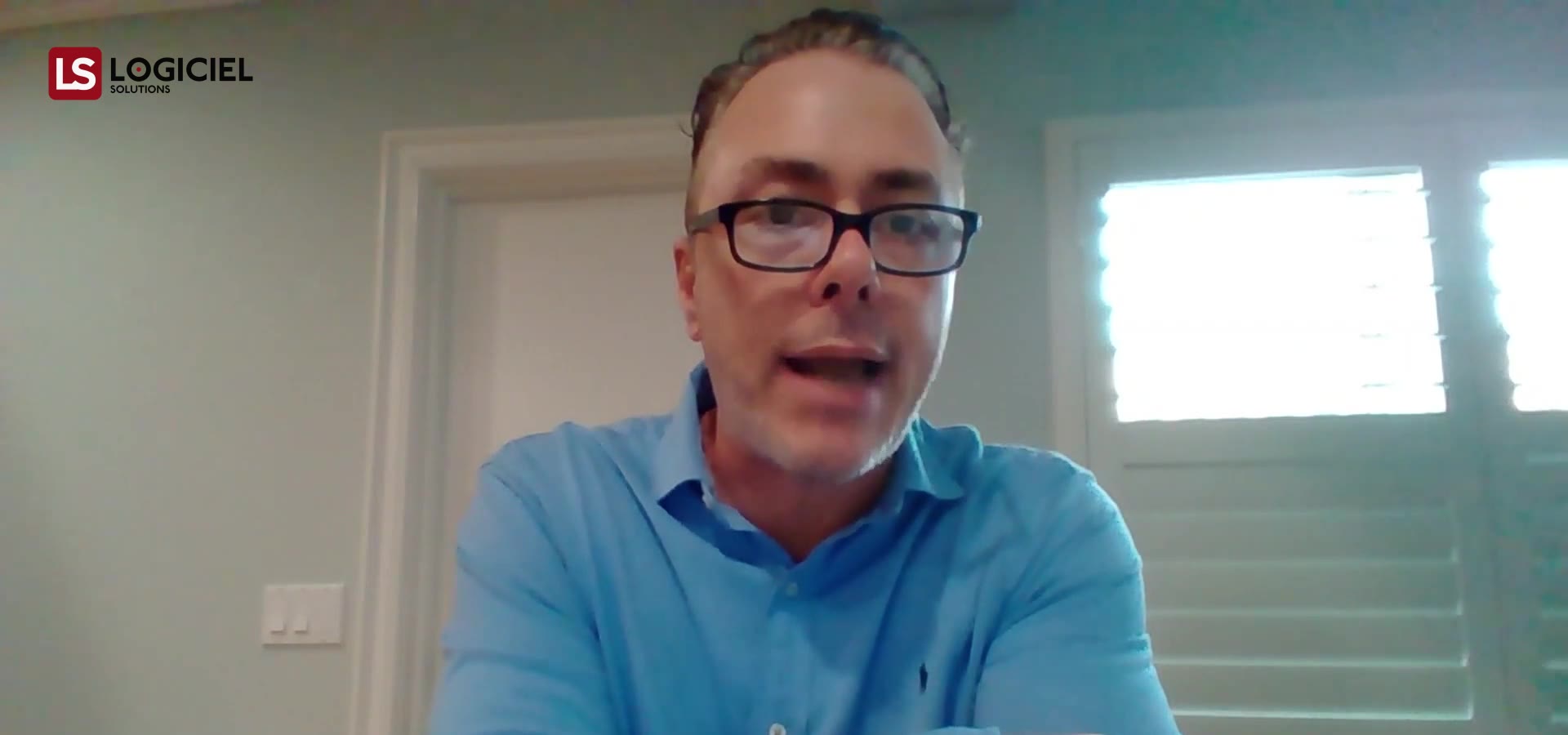
The Logiciel team worked tirelessly and built everything we needed, with security and best practices across our entire platform. It allowed us to become #1 in our industry, and we couldn't have done it without them.
SaaS product development services can include product strategy, experience design, architecture, application development, multi-tenant engineering, billing, integrations, cloud infrastructure, test automation and managed product operations.
A SaaS product development company designs, builds, integrates and operates cloud-based software products. Its work can cover discovery, product design, architecture, engineering, quality assurance, infrastructure and post-launch support.
SaaS application development is the process of building software that customers access through the internet, typically through a subscription or usage-based commercial model. The application may support multiple customers, account configurations, permission levels and integrations.
Companies should evaluate product architecture experience, multi-tenant engineering capabilities, delivery transparency, security practices, automated testing, cloud expertise, documentation and post-launch support.
Yes. Logiciel can support product discovery, technical architecture, experience design, development, testing, infrastructure, deployment and ongoing product operations.
Yes. Logiciel can modernize SaaS products in phases through framework upgrades, architecture improvements, API enablement, service separation, cloud optimization and workflow redesign.
Yes. Logiciel can design tenant provisioning, data isolation, role-based access, account configuration, shared services and scalable infrastructure.
Yes. Logiciel can strengthen identity management, single sign-on, user provisioning, permissions, audit logging, integrations, performance and security controls required by larger customers.
Yes. Logiciel can identify practical use cases and build AI-enabled search, assistants, summarization, classification, recommendations and workflow automation within existing SaaS applications.
Logiciel works as an embedded product engineering partner. Our teams operate within your repositories, tools and delivery model while your organization retains ownership of the roadmap, code and technical decisions.
Yes. Logiciel integrates with your repositories, CI/CD pipelines, collaboration tools and sprint processes while your internal team retains product and architecture ownership.
Your organization retains full ownership of the source code, architecture, infrastructure configurations, automated tests, documentation and other agreed deliverables.
Yes. Ongoing support can include roadmap delivery, production monitoring, incident response, integration maintenance, cloud optimization, security improvements and continuous product development.
Turn complex product requirements and enterprise opportunities into secure, scalable software with a senior SaaS development team that works inside your existing delivery model.