
Zeme · Real Estate
Real Estate
Logiciel helps enterprises design, build and operate zero-downtime deployment systems for applications, APIs, cloud platforms, data workflows and infrastructure. From deployment engineering and release automation to traffic routing, rollback controls, network deployment engineer support and managed operations, we help teams ship faster while protecting uptime, customer experience and business continuity.
We build deployment systems that make releases safer, faster and easier to recover.
to product, platform and business priorities
for applications, APIs, infrastructure and cloud services
canary, rolling and feature-flag release patterns designed for production use
health checks, release gates and traffic-shifting controls
for load balancers, routing, DNS, ingress and service mesh changes
across deployments, services, user journeys and platform health
Current-state assessment, release maturity review, outage risk mapping, tooling strategy and phased implementation roadmap.
Production-grade blue-green deployment patterns for application releases, infrastructure changes, cutover workflows and rollback readiness.
Gradual traffic rollout, user segment testing, automated health validation, error monitoring and release decision controls.
Rolling updates, feature flags, progressive delivery, controlled exposure and safer release workflows across environments.
Load balancer updates, DNS planning, ingress configuration, service mesh routing, private network paths and traffic failover controls.
Automated release workflows for cloud applications, container platforms, APIs, data systems and cloud energy utilities platforms.
Ongoing release monitoring, deployment support, incident response, rollback support, runbook updates and continuous improvement.
A standing team of DevOps engineers, platform engineers, deployment support engineers and cloud architects embedded into your release roadmap.
Senior deployment engineering consultants and network deployment engineer specialists who strengthen your internal product, cloud, platform or operations teams.
Fixed-scope engagements with defined release outcomes, automation milestones, reliability targets and success baselines agreed up front.
Patterns from our DevOps, platform and cloud engineering teams that help enterprises ship more often without weakening availability.
How we structure release ownership, deployment support engineer workflows, approval gates, traffic management, monitoring and continuous improvement.
A practical approach to ranking release priorities by business impact, outage risk, traffic sensitivity, dependency complexity and rollback readiness.
We assess current release workflows, environments, deployment tools, network dependencies, monitoring coverage and business priorities.
We identify critical services, user journeys, traffic paths, database dependencies, API contracts, rollback gaps and deployment risks.
We build blue-green, canary, rolling and feature-flag workflows with automated validation, release gates and rollback controls.
We harden deployments with monitoring, traffic dashboards, alerts, DNS plans, load balancer checks, runbooks and escalation paths.
We hand over a repeatable deployment engineering practice, including ownership, KPIs, release cadences, runbooks and improvement workflows.


Teams that needed to ship fast, and did. Here's what partnering with Logiciel felt like from the inside.

I would highly recommend them to anyone looking to scale quickly or needing support in engineering, product, or QA.
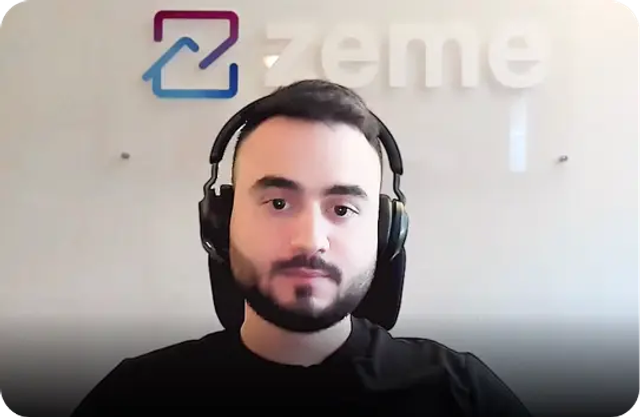
We don't just call them Logiciel; they're part of the Zeme team. Within the first week they were contributing meaningfully to our codebase.

The Logiciel team worked tirelessly and built everything we needed, with security and best practices across our entire platform. It allowed us to become #1 in our industry, and we couldn't have done it without them.

Zero-Downtime Deployment Engineering includes deployment strategy, progressive delivery, blue-green deployments, canary releases, traffic routing, automated rollback, release gates, observability, network deployment support and managed operations.
Enterprises need zero-downtime deployment to release software and infrastructure changes without planned outages, customer disruption or business workflow interruption.
A deployment support engineer helps plan, monitor, validate and troubleshoot releases. They support deployment automation, rollback workflows, runbooks, incident response and release health checks.
A network deployment engineer supports traffic routing, load balancers, DNS changes, ingress rules, service mesh policies, failover paths and network monitoring during production releases.
Yes. Logiciel supports deployment engineering for cloud energy utilities platforms, including application releases, infrastructure changes, traffic routing, monitoring, rollback workflows and reliability controls.
Common release patterns include blue-green deployment, canary deployment, rolling updates, feature flags, traffic shadowing, backward-compatible database changes and automated rollback workflows.
You retain ownership of all deployment workflows, CI/CD configurations, traffic rules, monitoring dashboards, rollback scripts, runbooks, documentation and implementation assets.
Yes. We run managed operations with deployment monitoring, release support, rollback assistance, incident response, runbook updates, reliability reviews and continuous improvement.
Ready to turn Zero-Downtime Deployment Engineering into a reliable foundation for faster releases? Partner with Logiciel to automate deployments, protect uptime and help your teams ship production changes without interrupting users.